
Cat6 Network Cable

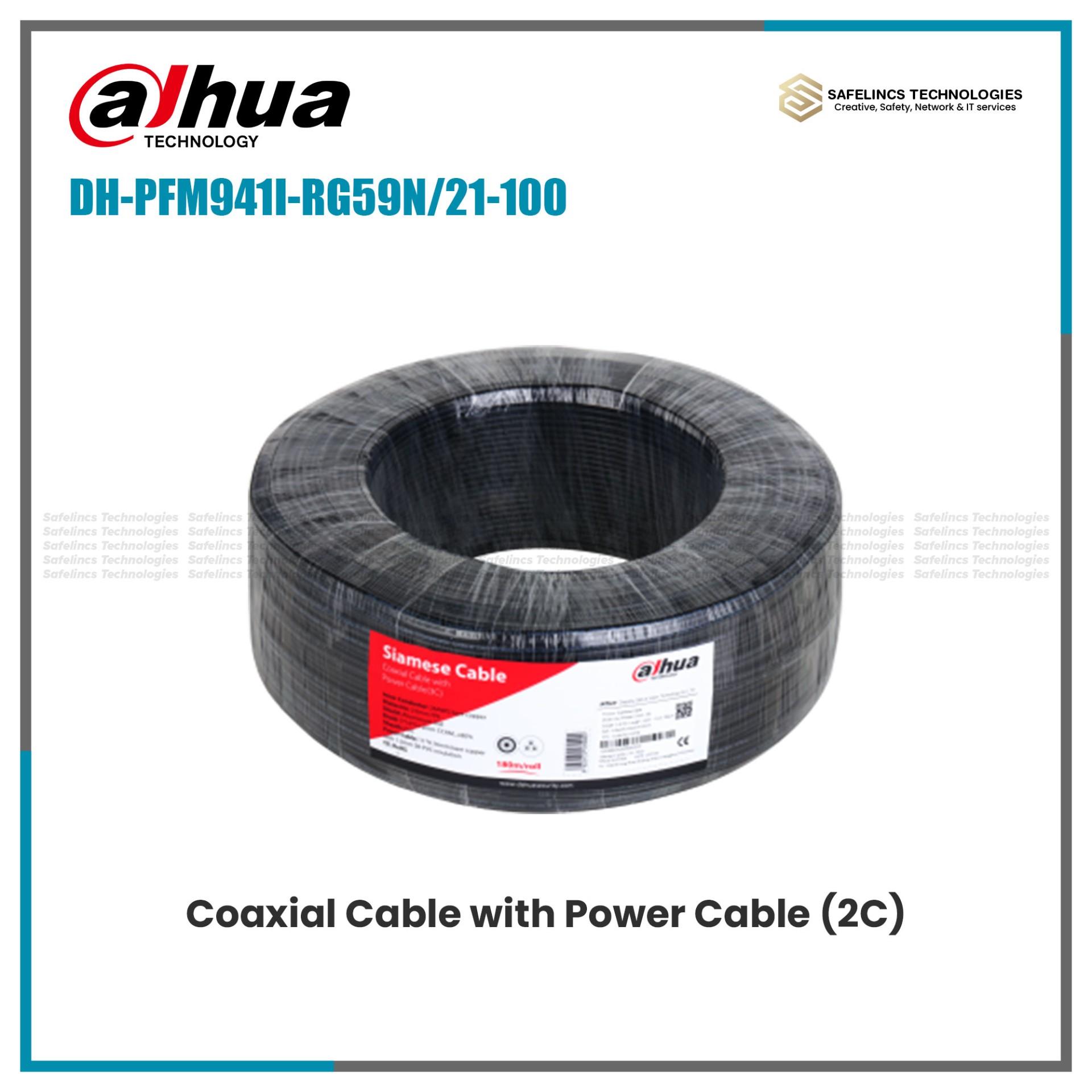
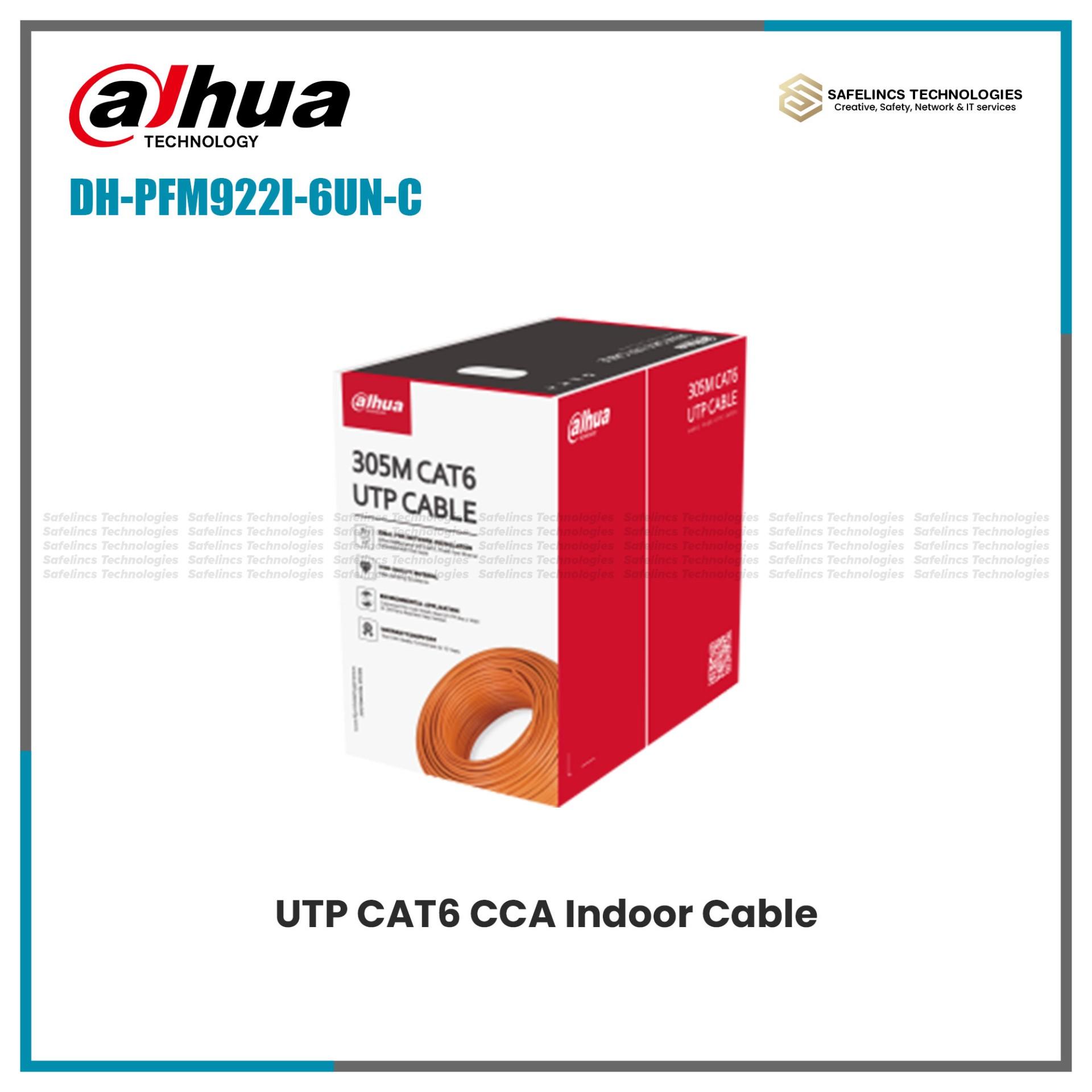

Safelincs Tech provides high-quality Cat6 Network Cable in Nepal designed for modern networking requirements including office LAN infrastructure, CCTV surveillance systems, IP camera installations, data centers, and structured cabling environments. Cat6 cables are widely used as a reliable Ethernet cabling solution because they provide improved bandwidth, reduced signal interference, and better performance compared to older cable categories.
Our range includes different types of Cat6 Ethernet cables, including Pure Copper Cat6 Cable, UTP Cat6 Cable, CCA Cat6 Cable, and branded Cat6 networking solutions suitable for residential, commercial, and industrial applications.
A properly selected Cat6 cable ensures stable data transmission between networking devices such as switches, routers, computers, servers, wireless access points, IP cameras, and Network Video Recorders (NVRs).
For complete networking infrastructure solutions, explore our range of Network Accessories including patch panels, keystone jacks, faceplates, and cable management accessories.
What is a Cat6 Network Cable?
A Cat6 Network Cable (Category 6 Cable) is a twisted-pair Ethernet cable designed according to networking standards for high-speed data communication. It consists of four twisted copper wire pairs that transmit digital signals between networking devices.
Compared with previous cable categories such as Cat5e, Cat6 cables provide improved transmission performance through tighter twisting, better insulation, and enhanced control against crosstalk and electromagnetic interference.
Cat6 cables are commonly used in:
Gigabit Ethernet networks
Structured office cabling systems
CCTV IP camera networks
Server rooms
Data centers
PoE-powered devices
Enterprise networking environments
The internal construction of a Cat6 cable helps maintain signal quality by reducing Near-End Crosstalk (NEXT) and Alien Crosstalk, which can affect network performance when multiple cables are installed together.
Technical Specifications of Cat6 Network Cable
Specification | Details |
Cable Category | Category 6 (Cat6) |
Frequency Bandwidth | Up to 250 MHz |
Maximum Data Rate | Up to 1 Gbps at 100 meters |
Connector Type | RJ45 |
Cable Structure | 4 Twisted Pair Conductors |
Conductor Size | Usually 23 AWG |
Cable Types | UTP / FTP / SFTP |
Application | LAN, CCTV, PoE, Data Networking |
Cat6 cable performance depends on several factors including conductor material, cable length, installation quality, connector quality, and environmental interference.
For professional installations, using compatible networking accessories such as Network Racks & Server Rack Cabinets helps maintain proper cable organization and reduces signal-related issues.
Types of Cat6 Network Cable Available in Nepal
1. Pure Copper Cat6 Cable
Pure Copper Cat6 cable uses 100% copper conductors to provide excellent electrical conductivity and stable signal transmission. Because copper has lower resistance compared to aluminum-based alternatives, pure copper cables provide better performance for:
Long-distance networking
Power over Ethernet (PoE) applications
High-bandwidth data transmission
Enterprise-level installations
Advantages of Pure Copper Cat6 Cable:
Lower signal attenuation
Better transmission reliability
Improved durability
Higher compatibility with PoE devices
Better performance in demanding environments
Pure copper Cat6 cables are commonly recommended for:
Corporate offices
Data centers
IP surveillance systems
Server rooms
Industrial networking
2. CCA Cat6 Cable (Copper Clad Aluminum)
CCA (Copper Clad Aluminum) Cat6 cable uses aluminum conductors coated with a thin copper layer. These cables are generally more affordable compared to pure copper cables. Although CCA cables can work for basic networking applications, they have higher electrical resistance compared to pure copper cables.
CCA Cat6 cables are suitable for:
Small office networks
Short-distance connections
Basic LAN installations
However, for applications requiring stable PoE power delivery, longer cable runs, or critical networking infrastructure, pure copper cables are generally preferred.
3. UTP Cat6 Cable
UTP (Unshielded Twisted Pair) Cat6 cable is one of the most commonly used Ethernet cable types. It contains four twisted wire pairs without additional shielding layers. The twisting design helps reduce interference between cable pairs.
UTP Cat6 cables are widely used for:
Computer networks
Office LAN systems
Router and switch connections
IP camera installations
For environments with significant electromagnetic interference, shielded options such as FTP or SFTP cables may provide additional protection.
Cat6 Cable Applications
1. Office and Enterprise Networking
Cat6 cables are commonly used in office network infrastructure to connect:
Desktop computers
Network switches
Routers
Wireless access points
Servers
A structured Cat6 cabling system provides reliable connectivity and allows organizations to build scalable networks for future expansion. For complete surveillance and networking integration, explore our Wireless Network Solutions.
2. CCTV and IP Surveillance Systems
Cat6 cables are widely used in IP CCTV installations because they can transmit both network data and power when combined with PoE technology. A typical IP surveillance setup includes: IP Camera → Cat6 Cable → PoE Switch → NVR → Monitoring System
Cat6 cables help maintain stable video transmission for high-resolution cameras including:
4MP cameras
8MP cameras
AI-based surveillance cameras
Explore our range of Network Video Recorders for complete CCTV recording solutions.
3. Data Centers and Server Rooms
Modern data centers require organized and high-performance cabling infrastructure. Cat6 cables are used for:
Server-to-switch connections
Rack connectivity
Patch panel connections
Network equipment communication
Proper cable management using server racks and accessories helps improve airflow, maintenance, and network reliability.
Cat6 Cable Speed and Performance
One of the major reasons businesses choose Cat6 cable is its improved performance compared to older Ethernet cables.
Cat6 supports:
Up to 1 Gigabit Ethernet (1000 Mbps) over 100 meters
Higher transmission capability for shorter distances
Improved signal quality through reduced interference
Its performance depends on:cable quality, connector termination, installation method and network equipment compatibility. Using low-quality cables or improper RJ45 termination can reduce actual network performance.
Cat6 Cable Colour Code and Wiring Standard
Correct termination is important for achieving reliable network communication. Cat6 cables generally follow two wiring standards:
1. T568B Wiring Standard
Pin | Wire Color |
1 | White Orange |
2 | Orange |
3 | White Green |
4 | Blue |
5 | White Blue |
6 | Green |
7 | White Brown |
8 | Brown |
2. T568A Wiring Standard
Pin | Wire Color |
1 | White Green |
2 | Green |
3 | White Orange |
4 | Blue |
5 | White Blue |
6 | Orange |
7 | White Brown |
8 | Brown |
Most commercial Ethernet installations use the T568B standard due to its widespread adoption.
Cat6 Cable vs Cat5e Cable
Feature | Cat5e | Cat6 |
Frequency | 100 MHz | 250 MHz |
Maximum Speed | 1 Gbps | 1 Gbps |
Crosstalk Protection | Standard | Improved |
Bandwidth | Lower | Higher |
Recommended Usage | Basic networks | Modern LAN infrastructure |
Cat6 is preferred for new installations because it provides better future scalability and improved signal performance.
Pure Copper vs CCA Cat6 Cable
Feature | Pure Copper | CCA |
Material | 100% Copper | Aluminum with Copper Coating |
Conductivity | Higher | Lower |
Signal Loss | Lower | Higher |
PoE Performance | Better | Limited |
Durability | Higher | Lower |
Cost | Higher | Lower |
Choosing the correct cable type depends on network requirements, distance, and application.
How to Choose the Right Cat6 Network Cable in Nepal?
Selecting the right Cat6 Network Cable in Nepal depends on several factors, including the type of network application, cable construction, installation distance, power requirements, and future scalability. Choosing an unsuitable cable can result in poor network performance, signal loss, unstable connections, and reduced lifespan of the networking infrastructure.
Before purchasing a Cat6 cable, consider the following factors:
1. Application Requirement
The first step in choosing a Cat6 cable is identifying where the cable will be installed and what type of devices it will support. Different networking environments have different performance requirements.
a. CCTV Surveillance Systems
For IP CCTV camera installations, Cat6 cables are commonly used to transmit high-resolution video data between cameras, PoE switches, and NVR systems. For surveillance applications, consider:
High-quality copper conductors for stable data transmission
PoE compatibility for power delivery to cameras
Better shielding in areas with electrical interference
Long-distance performance for outdoor or large-scale installations
For example, an IP camera setup typically follows: IP Camera → Cat6 Cable → PoE Switch → NVR → Monitoring System
Using low-quality cables in CCTV installations can cause:
Video signal instability
Camera disconnection
Reduced transmission distance
Poor PoE performance
For professional surveillance projects, pure copper Cat6 cables are generally preferred due to their better conductivity and reliability.
Explore complete surveillance solutions through CCTV Surveillance Cameras and Network Video Recorders.
b. Office LAN Networking
For office environments, Cat6 cables are used to connect:
Desktop computers
Network switches
Routers
Printers
Wireless access points
Servers
Office networks require stable and consistent data transmission because multiple users may access shared resources simultaneously.
For standard office installations:
Cat6 UTP cable is suitable for most environments
Proper cable management improves reliability
Quality RJ45 connectors should be used
Structured cabling should be planned for future expansion
A properly installed Cat6 network helps maintain reliable connectivity for daily business operations.
c. Data Centers and Server Rooms
Data centers and server rooms require higher-performance cabling because they handle large amounts of data traffic.
For these environments, consider:
High-quality pure copper Cat6 cables
Proper rack-based cable organization
Patch panel integration
Reduced electromagnetic interference
Important factors include:
Cable durability
Signal integrity
Proper airflow management
Easy maintenance
Cat6 cables are commonly installed with Network & Server Rack Solutions and Network Accessories for organized infrastructure.
2. Cable Material
The conductor material inside a Cat6 cable directly affects performance, durability, and transmission quality.
a. Pure Copper Cat6 Cable
Pure copper Cat6 cables use 100% copper conductors, providing excellent electrical conductivity and lower resistance. Its advantages include:
Better signal transmission
Lower attenuation
Improved PoE performance
Higher durability
Better performance over longer distances
Pure copper cables are recommended for:
Enterprise networks
CCTV systems
Data centers
PoE devices
Critical networking infrastructure
Because copper has better conductivity than aluminum-based alternatives, it maintains stable performance even under higher network loads.
b. CCA Cat6 Cable (Copper Clad Aluminum)
CCA Cat6 cables use aluminum conductors with a thin copper coating. They are generally selected for budget-focused installations because they are more affordable compared to pure copper cables. However, CCA cables have:
Higher electrical resistance
Higher signal loss over distance
Lower PoE efficiency
Reduced durability compared to copper cables
CCA cables may be suitable for:
Short-distance LAN connections
Basic networking requirements
Low-power applications
For long-distance installations, CCTV systems, and PoE-powered devices, pure copper cables are usually a better choice.
3. Network Distance
Cable length is another important factor when selecting Cat6 cable. Although Cat6 supports Gigabit Ethernet up to 100 meters, actual performance depends on:
Cable quality
Conductor material
Installation environment
Electrical interference
Connector quality
For longer cable runs:
Choose high-quality copper conductors
Avoid excessive cable bending
Maintain proper cable routing
Use quality termination accessories
Long cable distances with poor-quality cables can lead to:
Signal attenuation
Reduced network speed
Packet loss
Unstable connections
For large offices, buildings, and commercial installations, proper planning of cable routes and network points is essential.
4. PoE Requirement
Power over Ethernet (PoE) allows network cables to transmit both data and electrical power through a single cable. Cat6 cables are widely used with PoE devices such as:
IP cameras
Wireless access points
VoIP phones
Smart network devices
When selecting Cat6 cables for PoE applications, consider:
a. Conductor Quality
PoE applications require cables with good electrical conductivity because power transmission generates heat inside the cable. Pure copper cables provide: Lower resistance, Reduced heat generation and better power efficiency.
b. Device Power Requirement
Different PoE devices require different power levels. Examples:
Device | Typical Requirement |
IP Camera | Low to medium power |
Wireless Access Point | Medium power |
PTZ Camera | Higher power |
VoIP Phone | Low power |
Choosing the correct Cat6 cable ensures stable power delivery and prevents device performance issues.
c. PoE Switch Compatibility
The cable should work properly with compatible PoE networking equipment. A typical PoE setup includes: PoE Camera → Cat6 Cable → PoE Switch → NVR/Network System
For reliable PoE networking, use compatible Managed Network PoE Switches with quality Cat6 cabling.
Why Choose Safelincs Tech for Cat6 Network Cable in Nepal?
Safelincs Tech provides networking and security infrastructure products for residential, commercial, and enterprise applications.
Some benefits of cat6 network cable include:
Quality networking products
Multiple Cat6 cable options
CCTV and networking expertise
Complete infrastructure solutions
Professional product support
From Cat6 cables to switches, racks, CCTV systems, and accessories, Safelincs Tech provides complete networking solutions in Nepal.
Frequently Asked Questions
1. What is Cat6 network cable?
Cat6 network cable is a Category 6 Ethernet cable designed for high-speed data communication in LAN networks, CCTV systems, and structured cabling installations.
2. What is the maximum speed of Cat6 cable?
Cat6 cable supports up to 1 Gbps Ethernet speeds at distances up to 100 meters under standard installation conditions.
3. Is Cat6 cable suitable for CCTV cameras?
Yes, Cat6 cable is widely used for IP CCTV cameras because it supports high-speed data transmission and PoE connectivity.
4. What is the difference between pure copper and CCA Cat6 cable?
Pure copper cables provide better conductivity, lower signal loss, and improved PoE performance compared to CCA cables.
5. How long can Cat6 cable run?
A standard Cat6 Ethernet connection can support up to 100 meters for Gigabit Ethernet networks.
6. Can Cat6 cable support PoE?
Yes, Cat6 cables can support PoE applications when paired with compatible PoE switches and powered devices.
7. Which Cat6 cable is best for office networks?
Pure copper UTP Cat6 cables are commonly recommended for reliable office networking installations.