
CCTV Surveillance Cameras & Systems
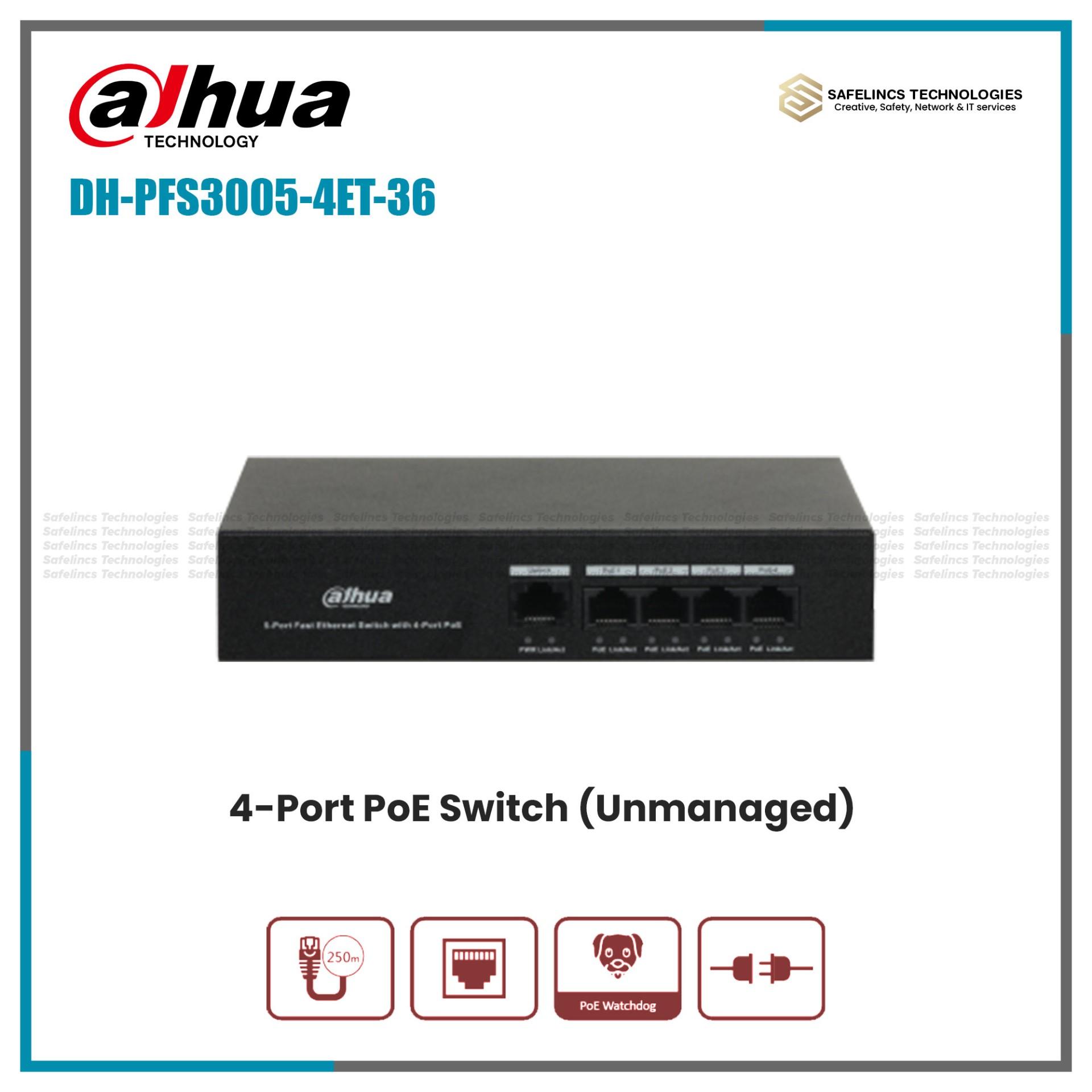
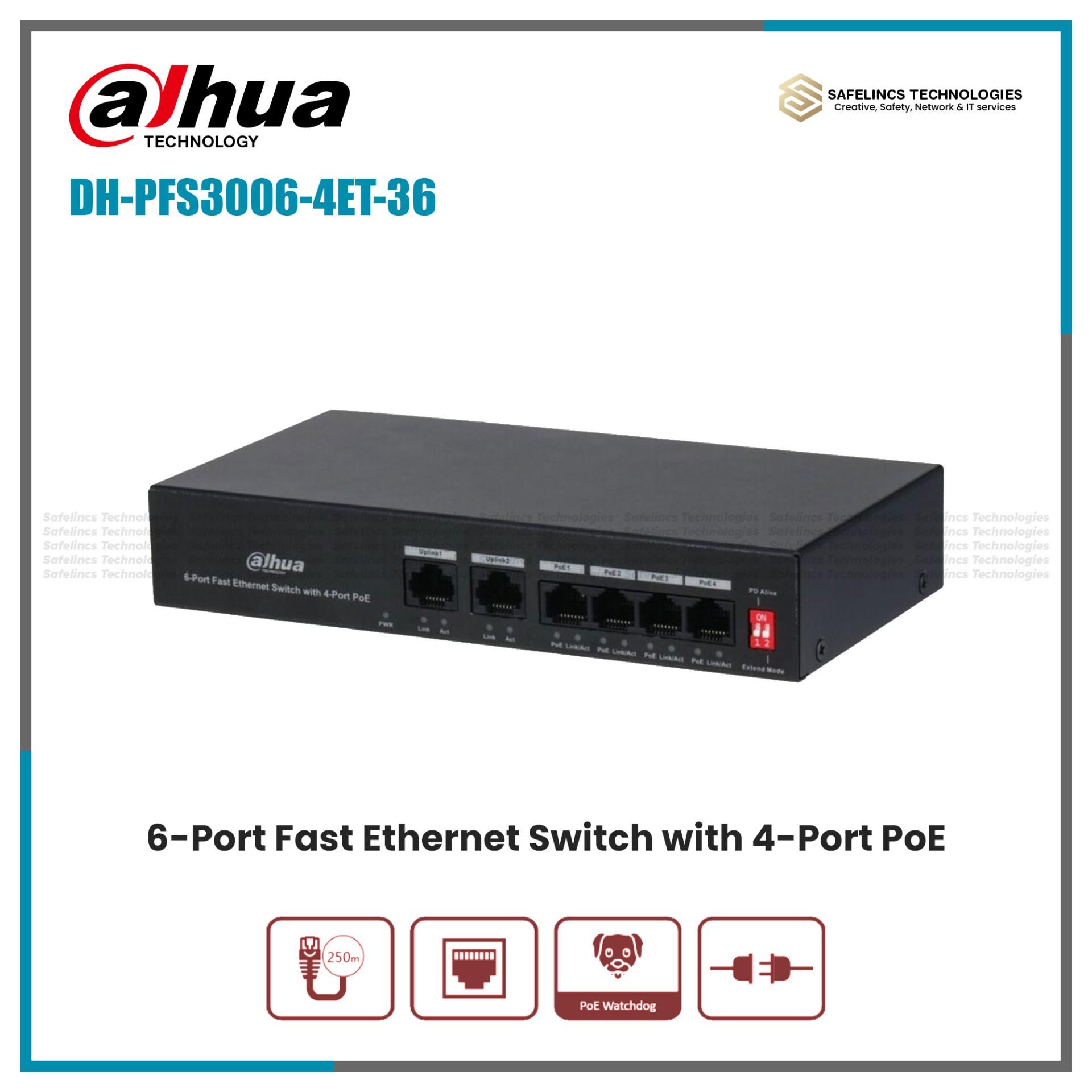
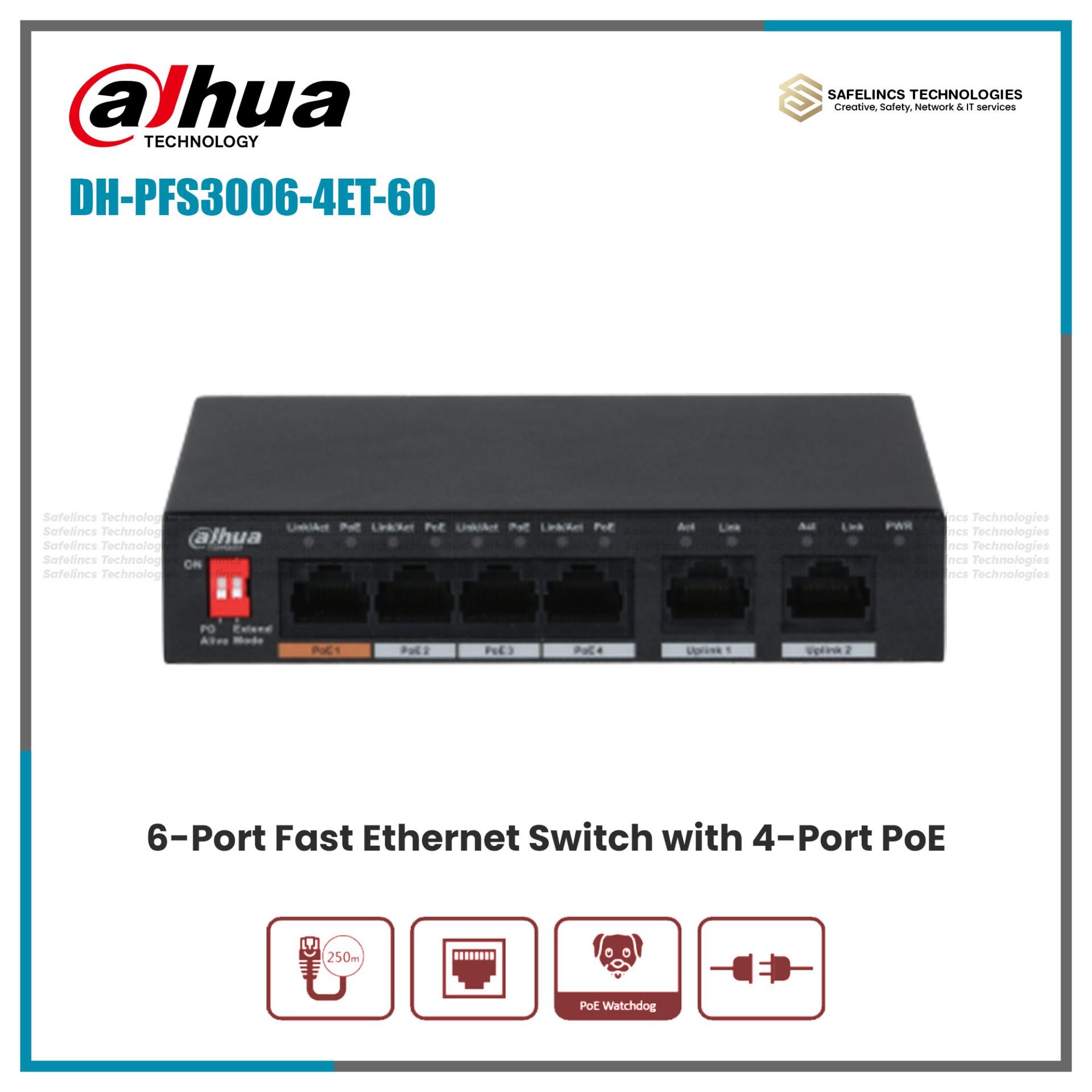
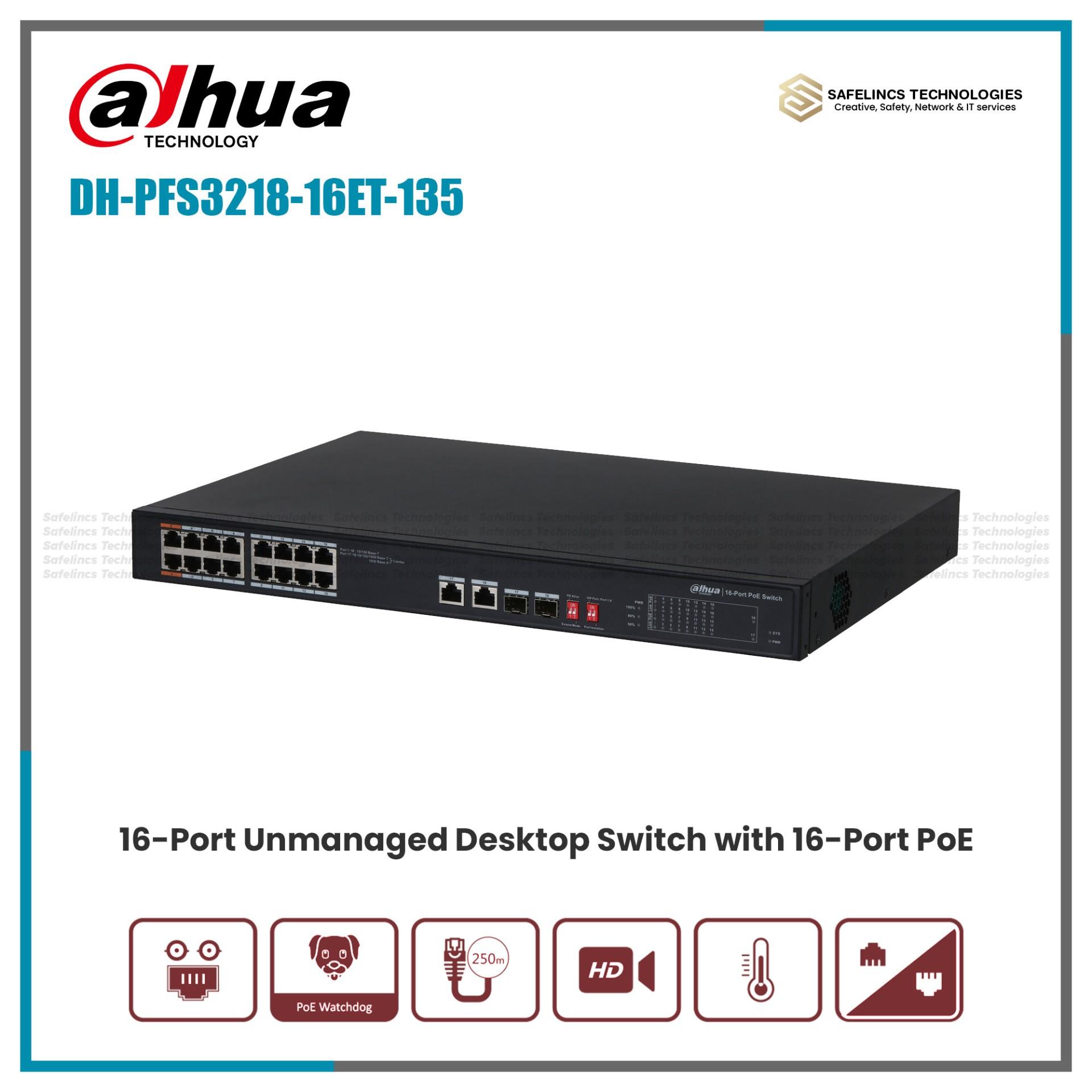
DAHUA POE Switches Nepal
DH-PFS3218-16ET-135- 16 Ports Poe Switch Unmanaged DahuaRs. 14,553
Rs. 16,170-10% OFF
DAHUA POE Switches Nepal
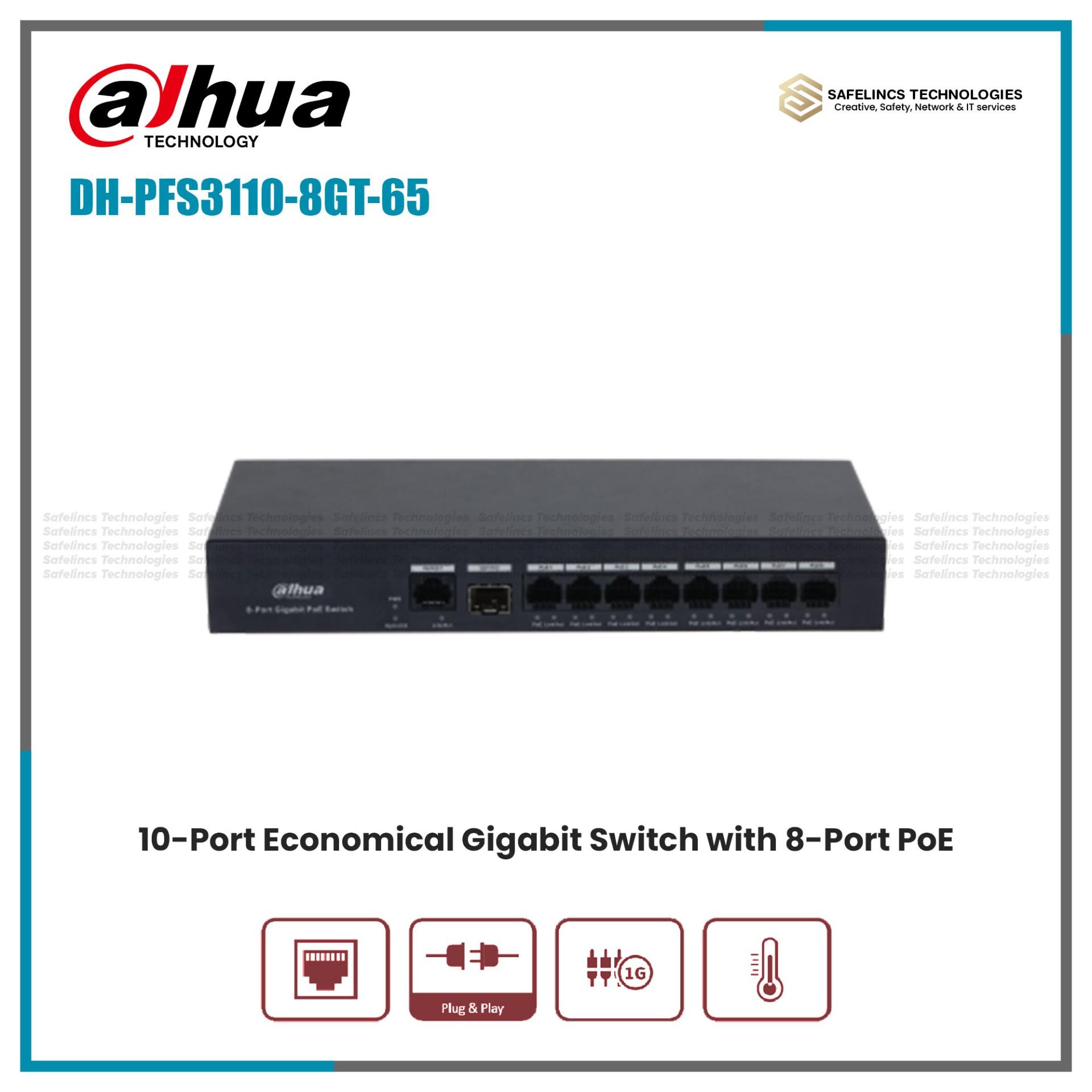
10-Port Economical Gigabit Switch with 8-Port PoE-DH-PFS3110-8GT-65-10Rs. 8,793
Rs. 10,126-10% OFF
DAHUA POE Switches Nepal
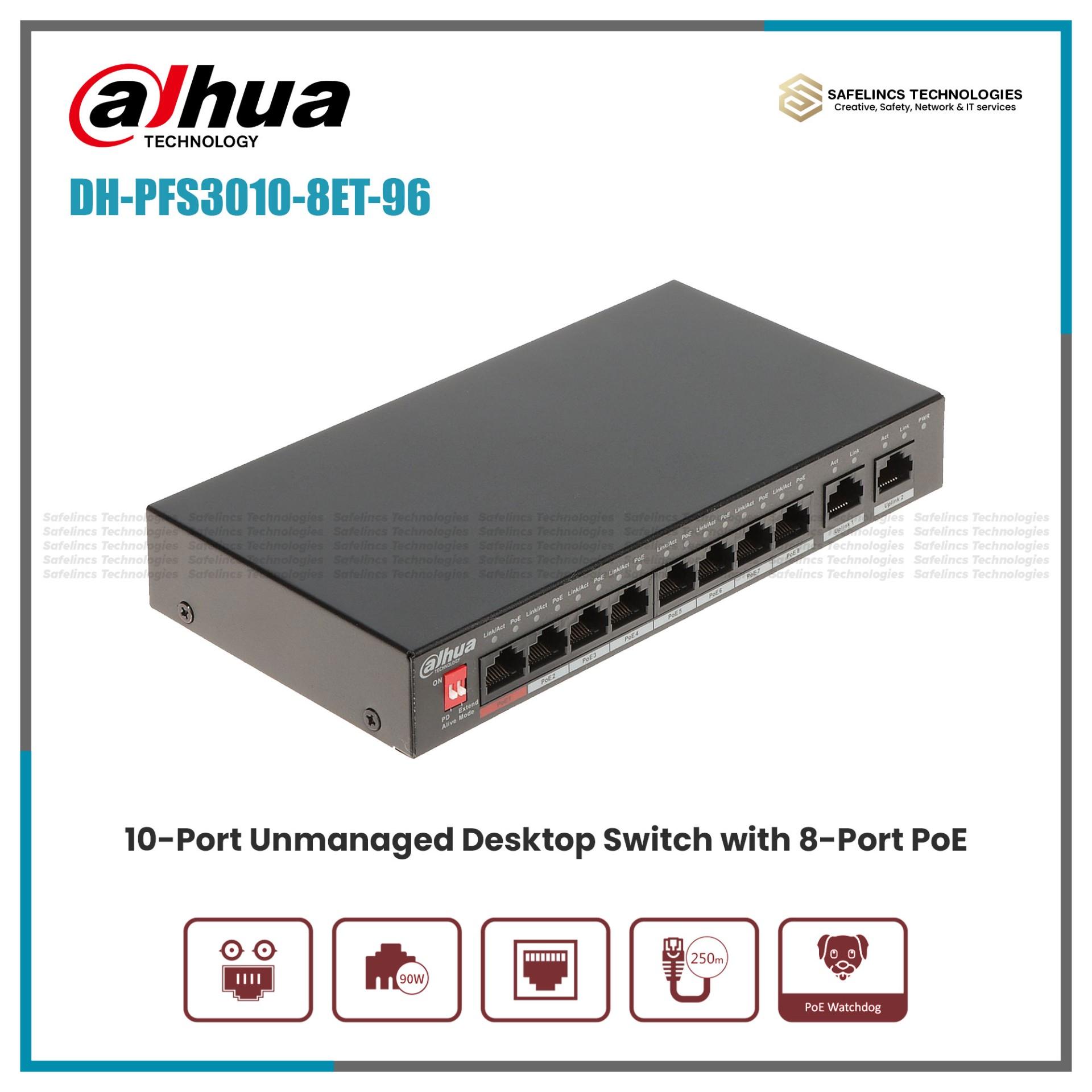
DH-PFS3010-8ET-96- 10 Port Poe Switch with Dual UplinksRs. 8,360
Rs. 9,500-12% OFF
CCTV & Network POE Switches
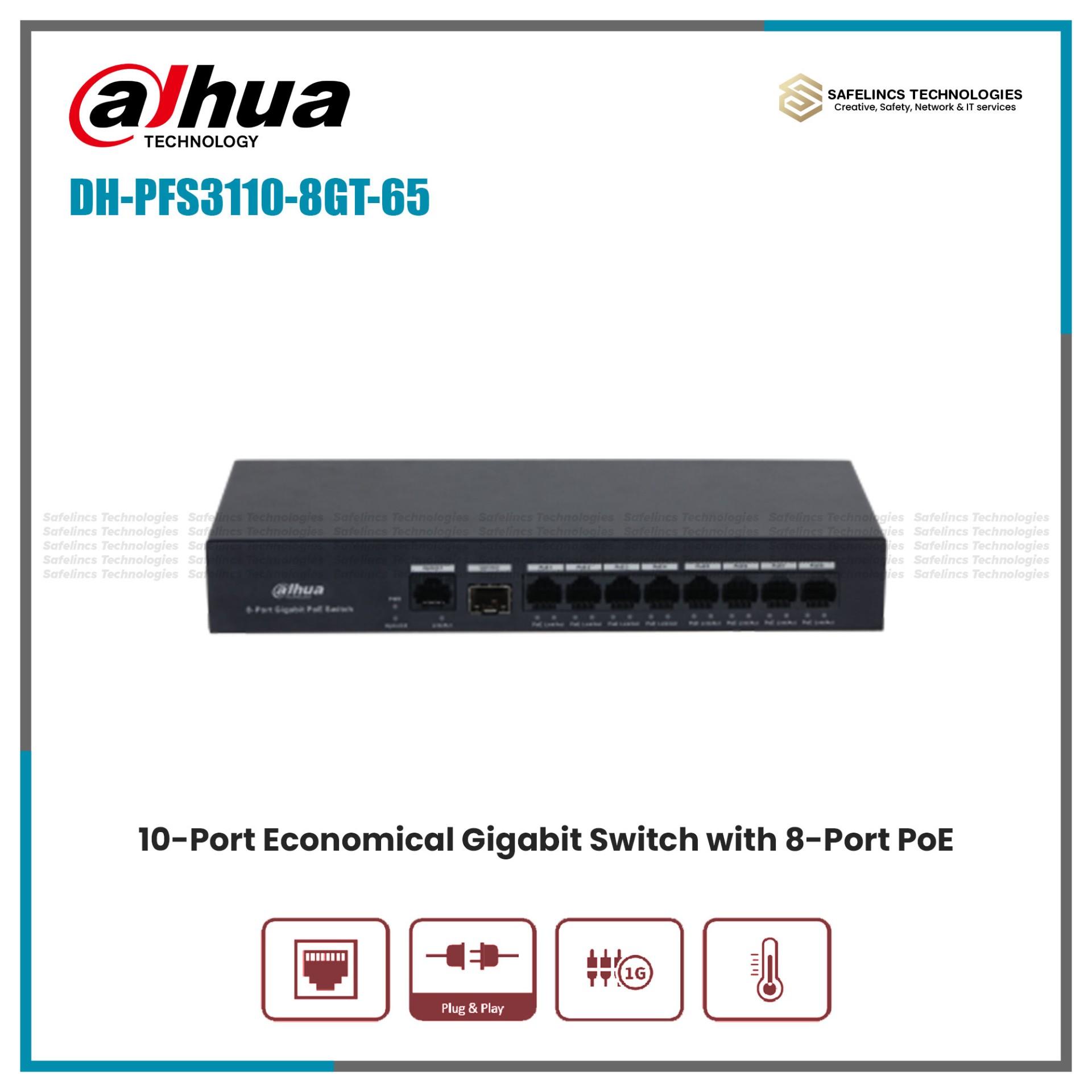
DH-PFS3110-8GT-65-10 Port Economical Gigabit POE SwitchRs. 8,479
Rs. 9,422-10% OFF
DAHUA POE Switches Nepal
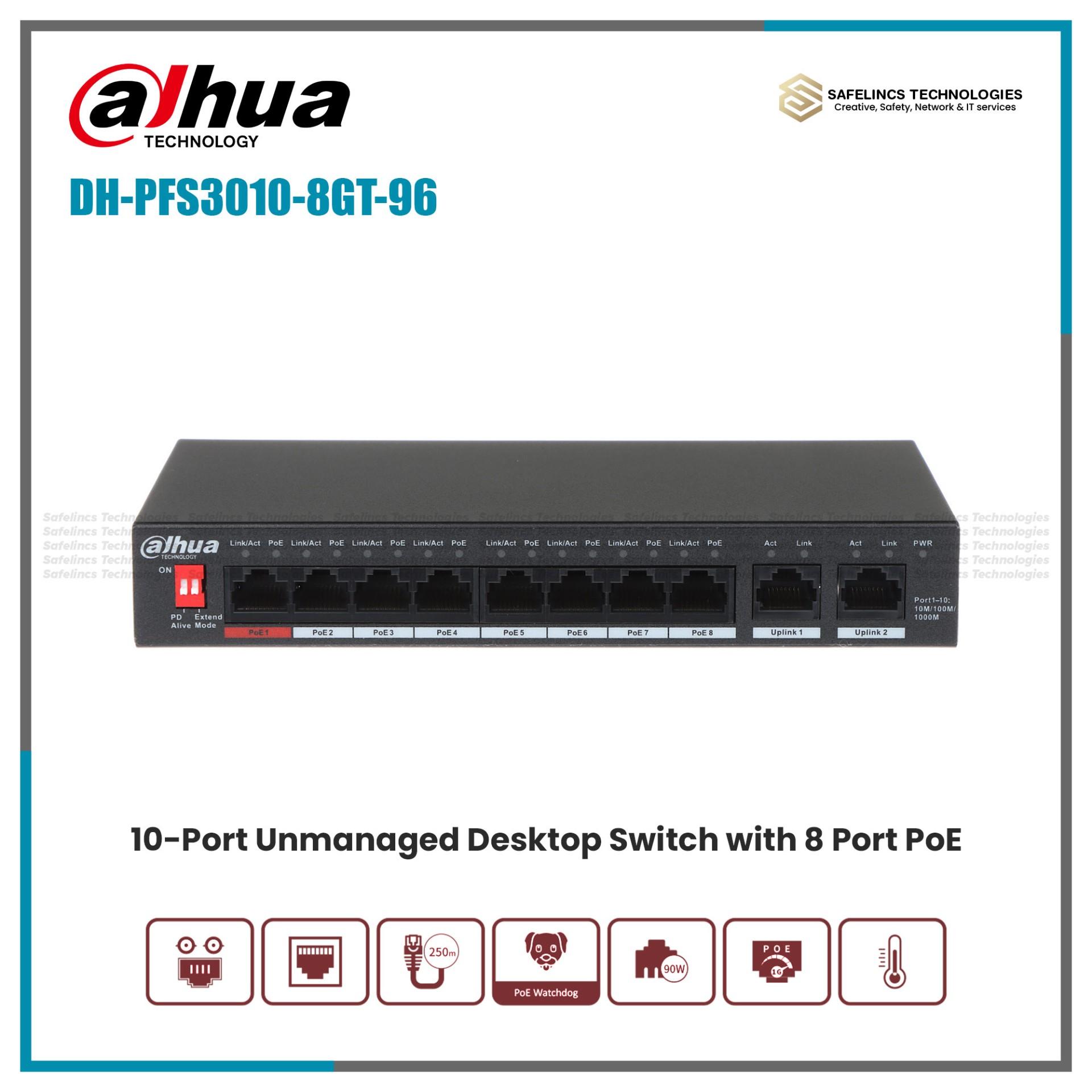
DH-PFS3010-8GT-96-10 Port Giga Bit Switch with 8 Port PoERs. 8,865
Rs. 9,850-10% OFF
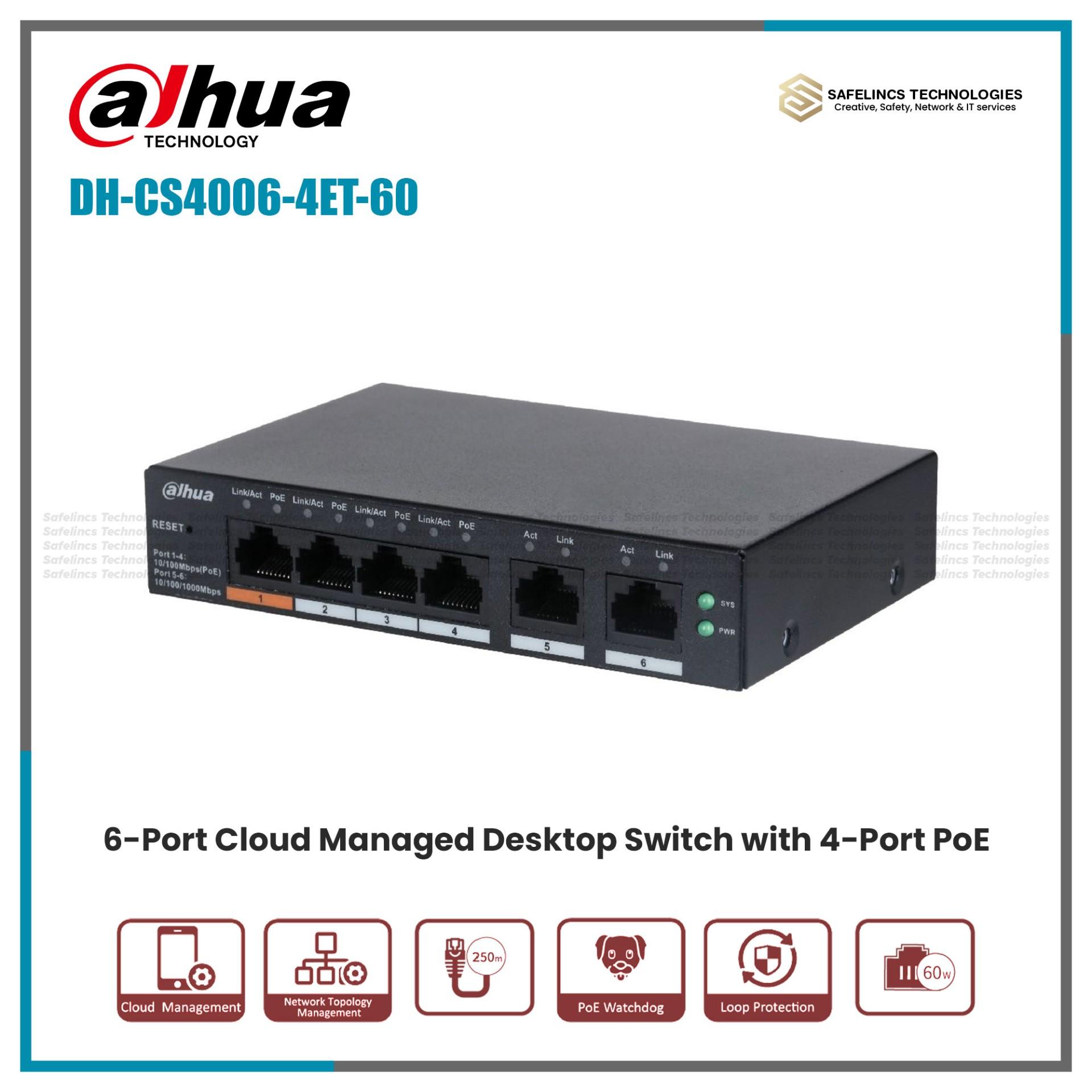
DAHUA POE Switches Nepal
CS4006-4ET-60-6-Port Cloud Managed Desktop Switch with 4-Port PoERs. 4,805
Rs. 5,339-10% OFF
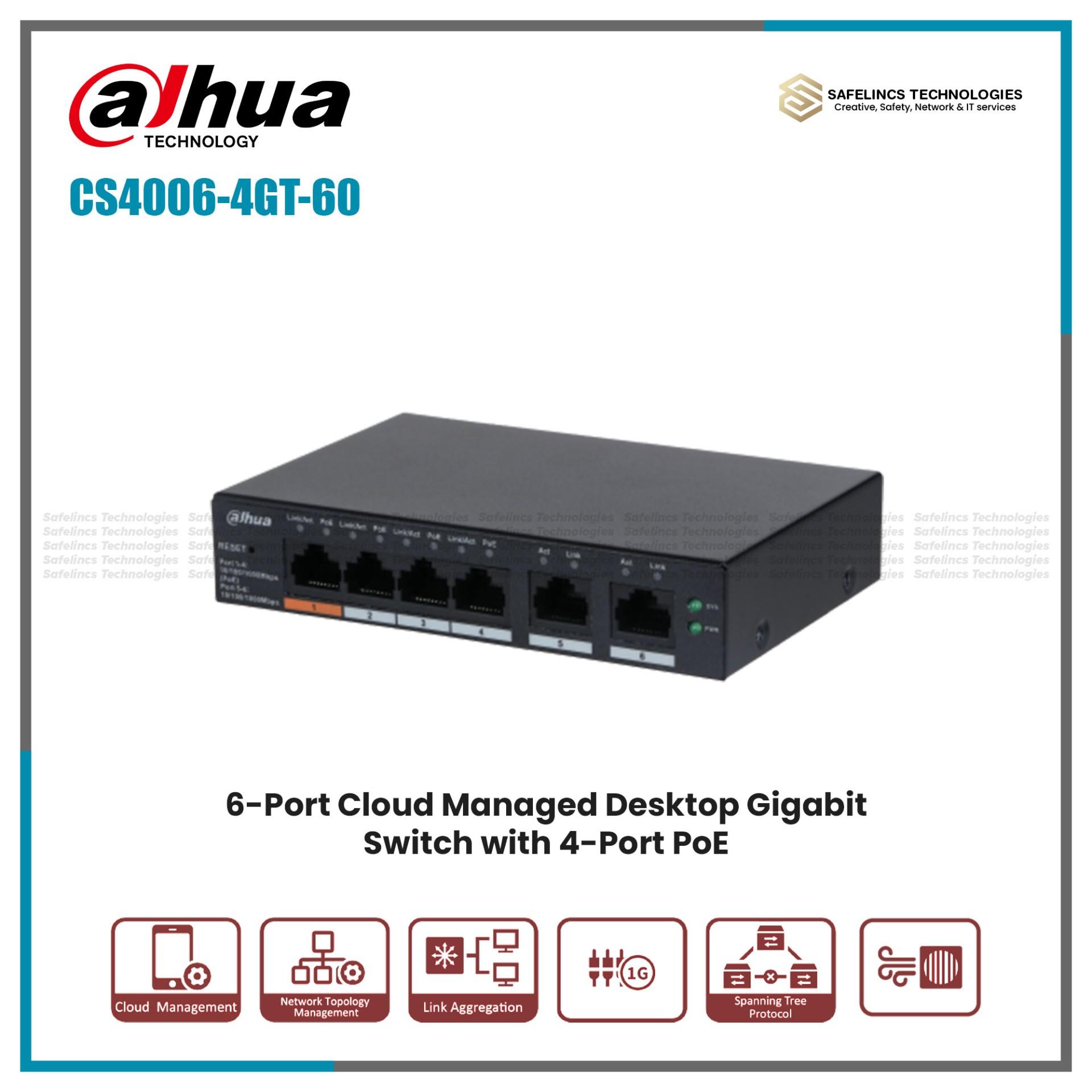
DAHUA POE Switches Nepal
CS4006-4GT-60 6-Port Cloud Managed Desktop Gigabit SwitchRs. 5,563
Rs. 6,182-10% OFF
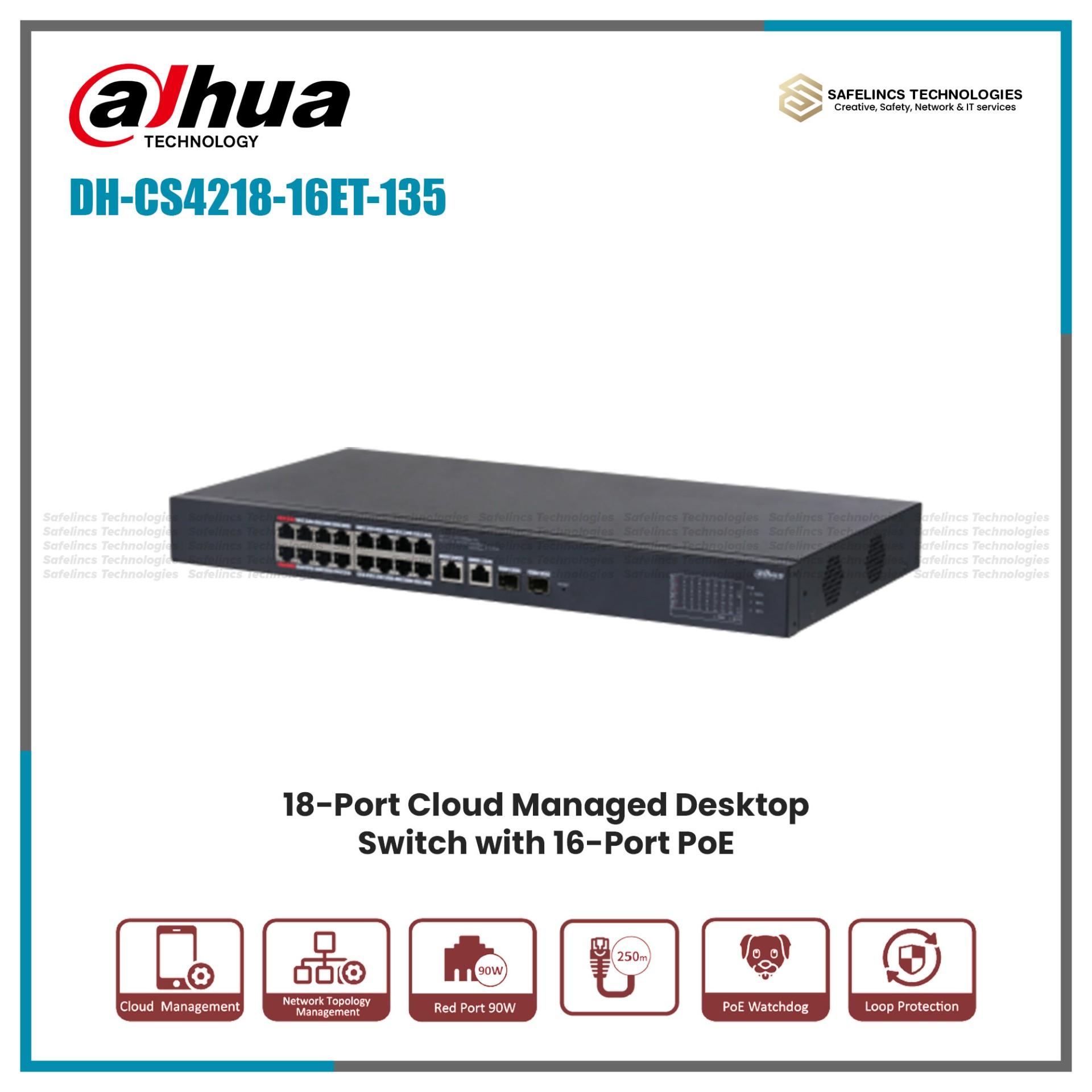
DAHUA POE Switches Nepal
DH-CS4218-16ET-135 Dahua 18-Port Cloud Managed Desktop SwitchRs. 24,635
Rs. 28,983-15% OFF
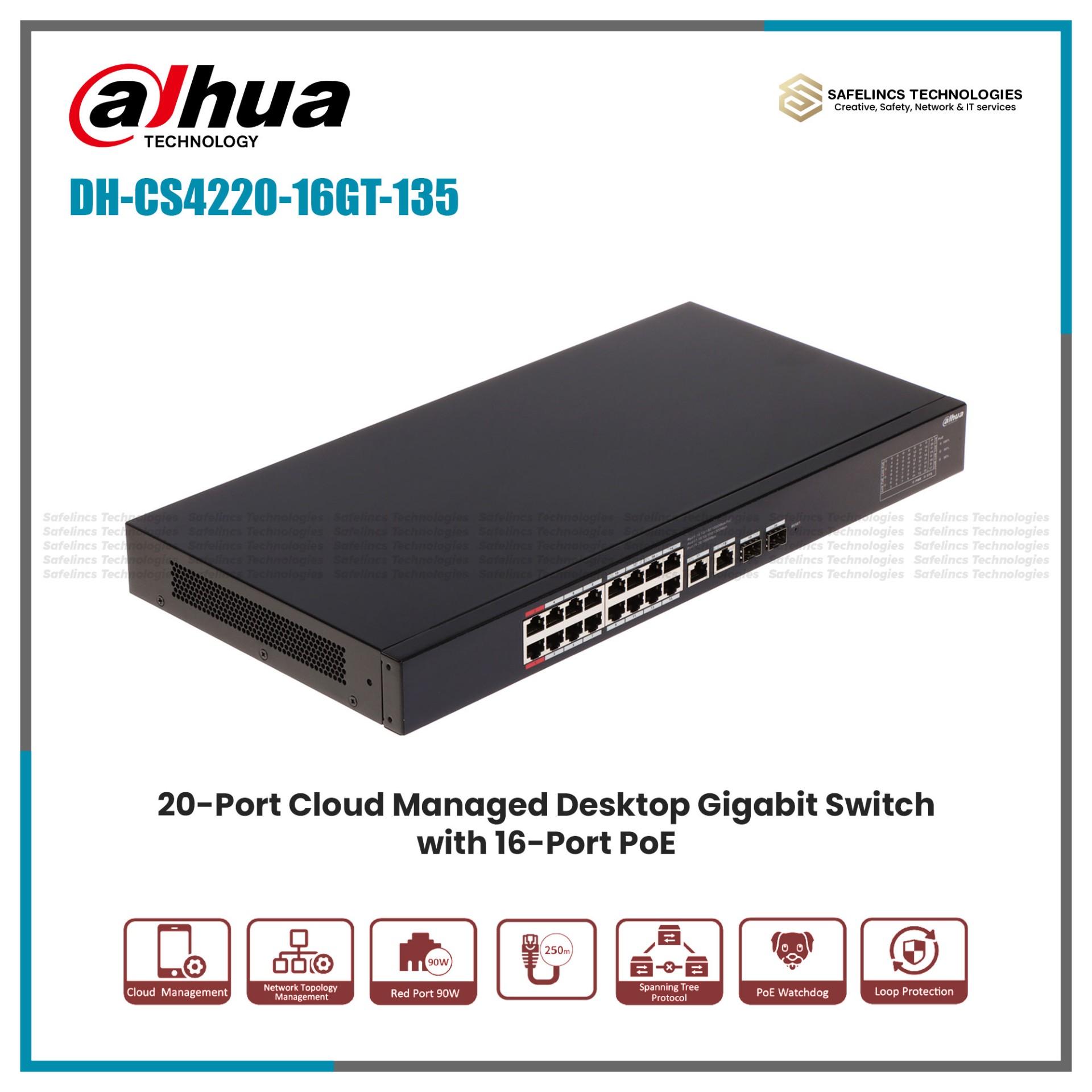
DAHUA POE Switches Nepal
DH-CS4220-16GT-135- 16 Ports Cloud Managed Network Poe Switch.Rs. 24,925
Rs. 28,983-14% OFF
A professional CCTV surveillance system is more than a camera installed on a wall. The performance of a surveillance system depends on how the camera sensor, lens, resolution, NVR, storage, PoE network, video compression, bandwidth and intelligent analytics work together.
Safelincs Tech provides a range of CCTV cameras by Dahua, Hikvision and UNV for homes, offices, shops, warehouses, hotels, schools, factories and other commercial applications. Customers can select individual cameras or build complete CCTV systems using IP cameras, Network Video Recorders, CCTV PoE switches, surveillance storage and networking equipment.
The correct CCTV solution should be selected according to monitoring distance, lighting condition, image detail, recording duration, network capacity and the type of activity that needs to be monitored.
Shop CCTV Surveillance Cameras in Nepal
Modern CCTV surveillance cameras are available with different technical specifications including:
2MP, 4MP, 5MP and higher resolutions
Fixed and motorized lenses
Bullet, dome, turret and PT/PTZ designs
Infrared and full-color night vision
Wide Dynamic Range
H.264 and H.265 compression
Human and vehicle detection
Built-in microphone
Local SD-card storage on supported models
PoE network connectivity
Remote monitoring
Outdoor IP-rated housings
Instead of selecting a camera only according to megapixel or price, the specification should match the actual monitoring requirement.
For example, the Hikvision DS-2CD1T43G2-LIU 4MP Bullet Network Camera combines 4MP imaging, human and vehicle detection, Smart Hybrid Light, built-in audio, H.265+ compression and IP67 protection, making it an example of a modern network surveillance camera designed around more than resolution alone.
For applications where 2MP resolution is sufficient, the Dahua DH-IPC-HFW1230S1-A-S5 Audio Bullet CCTV Camera provides 1920 × 1080 imaging, H.265 compression and infrared illumination up to 30 metres according to its listed specifications.
How a CCTV Surveillance System Works?
A typical IP-based CCTV surveillance system may follow this architecture:
IP Camera → Cat6 Cable → PoE Switch → Network → NVR → Hard Drive → Monitor / Mobile Application
The IP camera captures and processes the video before sending it through the network. A compatible PoE switch can provide network data and electrical power to supported cameras over Ethernet cabling. The NVR receives the camera streams and records them onto surveillance storage. Users can then access live or recorded video locally or, when correctly configured, remotely.
For larger installations, each part of this architecture must be properly sized. Explore compatibleCCTV PoE switches,Network Video Recorders andCCTV hard drives and storage when designing a complete system.
CCTV Camera Resolution: 2MP, 4MP, 5MP and 8MP
Camera resolution determines how many pixels are used to form the recorded image, but higher megapixels alone do not guarantee better surveillance results.
1. 2MP CCTV Cameras
A 2MP CCTV camera generally provides approximately 1920 × 1080 Full HD video and can be suitable for:
General home monitoring
Small offices
Indoor rooms
Small shops
Hallways
The Dahua DH-IPC-HFW1230S1-A-S5, for example, is listed as a 2MP network bullet camera with H.265 compression and infrared capability.
2. 4MP CCTV Cameras
4MP cameras provide additional pixel detail and can be useful where identification is more important.
Typical applications include:
Entrances
Retail stores
Cash counters
Offices
Parking areas
Warehouses
One example is the Dahua DH-IPC-HFW2449M-AS-LED-B 4MP Full-Color Camera, which is listed with a 4MP CMOS sensor and low-light/full-color imaging capabilities.
Another example is the Hikvision DS-2CD1T43G2-LIU 4MP Network Camera, which combines 4MP resolution with Smart Hybrid Light and human/vehicle detection.
3. 5MP and Higher Resolution Cameras
Higher-resolution cameras can be considered for larger surveillance scenes or applications where more image detail is required.
However, increasing resolution may also increase:
Network bitrate
NVR processing requirements
Storage consumption
Remote viewing bandwidth
Therefore, resolution should be selected together with network and recording specifications.
Image Sensor and Low-Light Performance
The image sensor converts incoming light into the digital video produced by a CCTV camera.
Important image-related specifications may include:
CMOS sensor size
Minimum illumination
Aperture
Infrared capability
Noise reduction
Wide Dynamic Range
Supplemental light technology
A camera with a properly designed low-light sensor and illumination system can sometimes provide more useful night-time surveillance than a higher-megapixel camera with weaker low-light performance.
For users specifically looking for cameras designed around low-light or full-color operation, explore the Dahua CCTV camera range and Hikvision CCTV cameras. Both categories currently include IP, full-color and smart-light camera options.
CCTV Camera Lens and Field of View
Lens selection determines how wide or narrow the camera's viewing area will be.
Common fixed focal lengths can include:
2.8 mm – Wider viewing angle: Useful for indoor rooms, receptions, shops and entrances.
4 mm – Moderate viewing angle: Suitable for many general surveillance applications.
6 mm and longer – Narrower field of view: Useful when greater detail is required at a longer distance.
Motorized varifocal cameras provide greater flexibility because the viewing angle can be adjusted without physically changing the lens.
For example, Safelincs currently lists Dahua motorized CCTV models within its Dahua CCTV Security Cameras category, alongside fixed-lens bullet and dome cameras.
Wide Dynamic Range for Entrances and Difficult Lighting
CCTV cameras frequently face difficult lighting environments, particularly when installed near:
Glass doors
Windows
Main entrances
Parking entrances
Reception areas
Wide Dynamic Range helps the camera manage scenes where very bright and dark areas exist simultaneously.
This is particularly important when a subject enters from bright outdoor light into a darker indoor environment. Camera selection should therefore consider lighting conditions in addition to resolution.
CCTV Night Vision Technologies
1. Infrared Night Vision
Traditional CCTV cameras commonly use IR LEDs to illuminate an area when visible light becomes insufficient. Depending on the model, infrared distance may range from short indoor distances to much longer outdoor monitoring distances.
For example, the Dahua DH-IPC-HFW1230S1-A-S5 is listed with an IR illumination distance of up to 30 metres.
2. Full-Color Night Surveillance
Full-color cameras are designed to preserve more color information in low-light environments using sensor, aperture and supplementary-light technologies.
A suitable example is the Dahua DH-IPC-HFW2449M-AS-LED-B Full-Color CCTV Camera.
Color night footage can provide additional identification details such as vehicle color, clothing color and other scene information when lighting conditions allow it.
H.264, H.265 and CCTV Video Compression
A modern CCTV camera system continuously produces video data, so compression is essential for controlling bandwidth and storage usage.
Common compression formats include:
H.264: A widely compatible video compression standard.
H.265 / HEVC: Designed to provide more efficient video compression under suitable configurations.
Certain manufacturers also offer enhanced variants such as H.265+.
For example, the Hikvision DS-2CD1T43G2-LIU lists H.265+ compression, while Dahua's DH-IPC-HFW1230S1-A-S5 lists H.265 and Smart H.264+/H.265+ functionality.
More efficient compression can help reduce storage and bandwidth requirements, which becomes increasingly important as the number and resolution of cameras increase.
Network Video Recorders for CCTV Surveillance
The Network Video Recorder (NVR) is the recording and management centre of many IP CCTV systems.
Important technical specifications include:
Number of camera channels
Incoming bandwidth
Decoding capability
Maximum supported resolution
H.264/H.265 support
Number of SATA interfaces
Maximum hard-drive capacity
HDMI/VGA output
AI analytics
PoE ports on supported models
Safelincs has a dedicated Network Video Recorder category containing Dahua and Hikvision NVR options from smaller systems through larger multi-channel recorders.
Example: Small CCTV System
The Hikvision DS-7104NI-Q1 4-Channel NVR supports up to four network cameras, H.265+/H.265/H.264+/H.264 compression and up to 40 Mbps incoming bandwidth according to the listed specifications. It can therefore serve as an example of an NVR intended for a smaller IP surveillance system.
Example: Larger Commercial CCTV System
For larger installations, the Hikvision DS-7716NXI-K4 16-Channel NVR supports a larger number of channels and includes AI-related capabilities such as facial recognition and perimeter protection depending on the configured camera/device functionality.
PoE Technology in CCTV Surveillance Systems
Power over Ethernet (PoE) allows compatible IP cameras to receive data and power through Ethernet cabling.
A typical configuration is:
Camera → Cat6 Cable → PoE Switch → NVR / Network
PoE can simplify CCTV infrastructure by centralizing camera power and network connectivity.
When selecting a switch, do not consider only the number of ports. Also check:
Total PoE power budget
Power available per port
Fast Ethernet vs Gigabit
Number of uplink ports
Managed vs unmanaged operation
Network bandwidth
Camera power requirements
Safelincs provides a dedicated range of CCTV and Network PoE Switches, including Dahua, Hikvision and Reyee/Ruijie options.
Network Bandwidth in CCTV Monitoring Systems
Every IP camera creates a continuous network video stream.
Required bandwidth is affected by:
Resolution × Frame Rate × Compression × Bitrate × Number of Cameras
For example, several high-resolution cameras can create considerably more traffic than a small 2MP surveillance installation.
When designing larger CCTV monitoring systems, consider:
NVR incoming bandwidth
Switch capacity
Gigabit uplinks
Router/network capacity
Cat6 cabling
Remote viewing bandwidth
Matching the cameras, network equipment and NVR capacity helps prevent dropped frames and unstable video performance.
CCTV Storage and Recording Capacity
The recording duration of a CCTV surveillance system depends on:
Number of Cameras × Bitrate × Recording Time × Retention Period
Storage requirements are affected by:
Resolution
Frame rate
Bitrate
Codec
Number of cameras
Continuous or event recording
Required number of recording days
Safelincs provides Hard Disk Drives and CCTV Storage that can be considered when designing the storage side of a surveillance system.
Storage capacity should ideally be calculated after the camera and recording settings have been determined rather than selecting an arbitrary hard-drive capacity.
Smart CCTV Surveillance and AI Analytics
Modern CCTV cameras and NVRs increasingly include intelligent video analytics.
Depending on the selected model, functions may include:
1. Human Detection
Helps identify human-shaped targets rather than treating every movement as the same event.
2. Vehicle Detection
Allows compatible cameras or recorders to classify vehicle-related events.
3. Intrusion Detection
A virtual monitoring zone can be configured so the system reacts when a supported target enters the defined area.
4. Line Crossing Detection
The system can monitor movement across a predefined virtual line.
5. Smart Motion Detection
Advanced algorithms can reduce unnecessary alerts compared with basic pixel-change motion detection.
6. Facial Detection
Supported systems may identify the presence of faces within a camera scene. Always verify that the camera and NVR support the required analytics together before purchasing a complete system.
The Hikvision DS-2CD1T43G2-LIU, for example, lists human and vehicle detection, while higher-level Hikvision NVRs such as the DS-7716NXI-K4 include additional AI capabilities.
Dome, Bullet and PT CCTV Cameras
1. Bullet CCTV Cameras
Bullet cameras are often selected for directional monitoring around:
Building entrances
Boundary areas
Parking spaces
Gates
Warehouses
Examples include the Dahua DH-IPC-HFW1230S1-A-S5 Bullet Camera and Hikvision DS-2CD1T43G2-LIU 4MP Bullet Camera.
2. Dome and Turret CCTV Cameras
Dome and turret cameras are widely used in:
Shops
Offices
Reception areas
Restaurants
Hotels
Indoor commercial locations
Safelinc's Dahua CCTV Camera category includes both dome/turret and bullet network camera configurations.
3. PT and PTZ CCTV Cameras
PT/PTZ cameras allow the viewing direction to be changed electronically or mechanically.
The Dahua DH-SD2A500HB-GN-AW-PV-S2 PT CCTV Camera, for example, is listed as a 5MP PT surveillance camera.
PT/PTZ cameras can be useful in larger monitoring zones where wider coverage and adjustable viewing direction are required.
Wired IP CCTV vs Wireless CCTV Cameras
A wired IP surveillance system generally uses Ethernet cabling and can provide centralized recording through an NVR. Wireless CCTV systems use Wi-Fi or other wireless connectivity and can be useful where simplified installation or standalone monitoring is preferred.
For customers specifically looking for Wi-Fi-based surveillance rather than a wired NVR architecture, link them to the dedicated Wireless CCTV Cameras in Nepal category instead of over-optimizing this page for wireless-camera keywords.
This keeps the main page focused on CCTV surveillance systems while strengthening internal linking between the wired and wireless CCTV clusters.
CCTV Surveillance Cameras for Businesses
The keyword and technical requirements of commercial surveillance are often different from small residential systems.
1. Retail Shops
Important monitoring areas can include:
Entrances
Cash counters
Stock rooms
Customer areas
Parking
High-detail cameras may be appropriate around cash counters and entrances, while wider-angle cameras can cover larger floor areas.
2. Offices
Office CCTV systems may include coverage of:
Reception
Main entrance
Corridors
Server rooms
Restricted areas
Parking
Larger offices may also require multi-channel NVRs and managed network infrastructure.
3. Warehouses and Factories
Warehouse surveillance may require:
Long-distance monitoring
High-resolution cameras
Night vision
Large storage capacity
PoE switching
High-bandwidth NVRs
Multiple camera zones
4. Hotels and Restaurants
Typical coverage may include entrances, reception, public areas, cash counters and parking zones while following applicable privacy requirements.
Businesses looking for a complete ready-made solution can also explore CCTV Camera Packages in Nepal. Safelincs currently lists multiple Dahua IP camera packages, including 3-, 4-, 5-, 6-, 7- and 8-camera configurations.
One example is the Dahua 8 IP Network CCTV Camera Package, which combines multiple network cameras with an NVR-based recording setup.
CCTV Surveillance Brands Available in Nepal
1. Dahua CCTV Cameras
Explore Dahua CCTV Cameras in Nepal for bullet, dome, motorized, full-color and network surveillance camera options.
2. Hikvision CCTV Cameras
Explore Hikvision CCTV Cameras in Nepal for IP cameras, smart-light cameras, NVR-compatible cameras and intelligent surveillance solutions.
3. UNV CCTV Cameras
Explore UNV CCTV Cameras in Nepal for Uniview surveillance camera options and compatible system components.
How to Choose the Right CCTV Surveillance System
Before purchasing a CCTV system, evaluate the system technically.
1. Define the Surveillance Objective
Determine whether the camera is required for:
General monitoring
Facial identification
Cash monitoring
Perimeter protection
Vehicle monitoring
Intrusion detection
2. Measure Camera-to-Target Distance
Camera height, distance and lens focal length determine how much useful detail will be visible.
3. Select Resolution
Choose 2MP, 4MP, 5MP or higher according to the required image detail rather than automatically selecting the highest megapixel camera.
4. Evaluate Lighting
Check daytime backlighting, night-time illumination and whether IR or full-color technology is more appropriate.
5. Calculate Network Requirements
Determine the expected bitrate of all cameras and confirm that the NVR and network switches can handle the combined traffic.
6. Calculate Storage
Estimate the required recording duration and select a suitable CCTV hard drive.
7. Calculate PoE Requirements
Select a CCTV PoE switch with sufficient ports, uplink capacity and total PoE power budget.
8. Choose the NVR
Match channel count, bandwidth, storage capability and analytics using the available Network Video Recorders.
9. Plan for Expansion
If a project needs seven cameras today, an eight-channel recorder leaves only one expansion channel. Larger projects may benefit from additional spare capacity.
10. Plan Professional Installation
Camera location, cabling, NVR configuration, networking and storage configuration all influence CCTV performance.
For installation planning, see the complete CCTV Camera Installation in Nepal guide.
Build a Complete CCTV Surveillance System
A properly planned CCTV surveillance system should combine compatible cameras, networking, recording and storage rather than treating each component separately.
You can build your system using:
Cameras: Dahua, Hikvision & UNV CCTV Cameras
Recording: Network Video Recorders
Networking: CCTV & Network PoE Switches
Storage: Hard Disk Drives & CCTV Storage
Wireless Alternative: Wireless CCTV Cameras
Complete Systems: CCTV Camera Packages in Nepal
Professional Setup: CCTV Camera Installation in Nepal
Matching these components according to resolution, bandwidth, PoE requirements, recording duration and monitoring distance creates a more reliable CCTV system.
Frequently Asked Questions
1. What is a CCTV surveillance system?
A CCTV surveillance system combines cameras, recording equipment, network infrastructure, power, storage and monitoring software to capture and manage video from a protected area.
2. What is an NVR in CCTV?
An NVR is a Network Video Recorder used to receive, record and manage video streams from compatible IP cameras. Explore availableNetwork Video Recorders for different channel requirements.
3. What does PoE mean in CCTV?
PoE means Power over Ethernet. It allows compatible cameras to receive network connectivity and electrical power through Ethernet cabling. See the availableCCTV PoE Switches.
4. Is 2MP or 4MP better for CCTV?
4MP provides greater pixel detail than 2MP, but the correct choice depends on monitoring distance, lighting, lens, bandwidth and storage requirements.
5. Which camera is suitable for full-color night surveillance?
A camera specifically designed for low-light/full-color imaging should be considered. One available example is theDahua DH-IPC-HFW2449M-AS-LED-B 4MP Full-Color CCTV Camera.
6. Can CCTV cameras detect humans and vehicles?
Compatible AI-enabled cameras can classify supported targets. For example, theHikvision DS-2CD1T43G2-LIU lists human and vehicle detection among its features.
7. How much CCTV storage do I need?
Storage depends on camera count, resolution, bitrate, frame rate, compression format, recording schedule and required retention period. After calculating capacity, suitable storage can be selected from theHard Disk Drives & CCTV Storage section.
8. Should I choose wired or wireless CCTV?
For centralized multi-camera surveillance, IP cameras connected to an NVR through Ethernet and PoE are commonly used. For simpler Wi-Fi-connected monitoring, exploreWireless CCTV Cameras in Nepal.