
Network Accessories
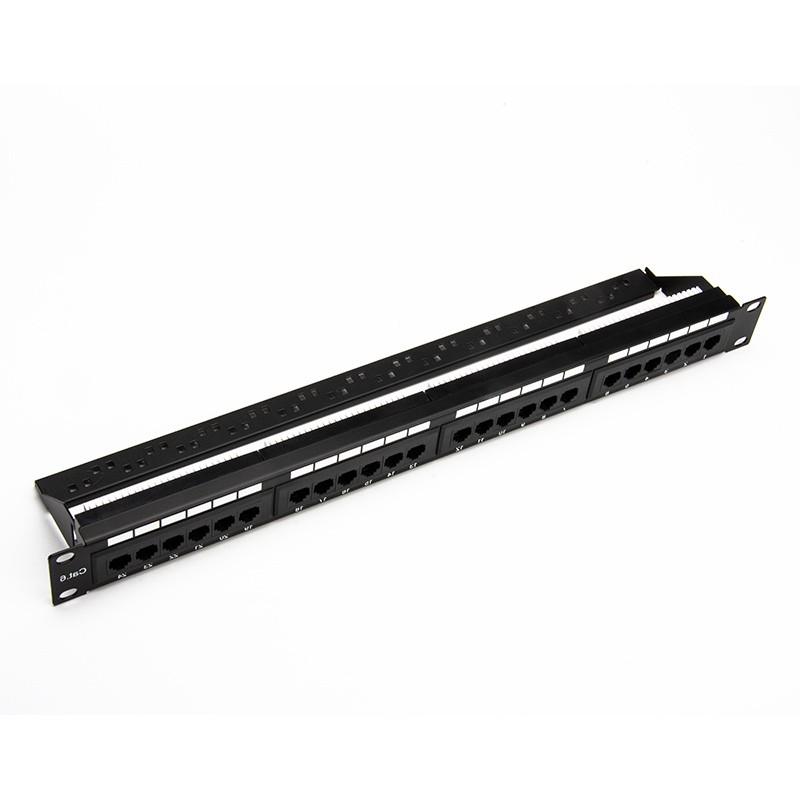


Safelincs Tech provides a complete range of network accessories in Nepal designed for professional LAN infrastructure, structured cabling systems, server rooms, data centers, CCTV networks, and enterprise networking environments. Network accessories are essential passive infrastructure components that improve network organization, connectivity reliability, scalability, and long-term maintenance.
A properly designed network infrastructure requires more than just switches and routers. Components such as network patch panels, keystone jacks, RJ45 modules, faceplates, cable management accessories, rack accessories, and power distribution units (PDUs) play a critical role in maintaining stable data transmission and organized installations.
Whether you are setting up a small office network, enterprise LAN infrastructure, or a high-density server room, choosing the right network accessories in Nepal helps ensure better performance, easier troubleshooting, and future network expansion.
Complete Range of Network Accessories for LAN Infrastructure
Network accessories are passive networking components used to establish physical connectivity between networking devices. These components are commonly used with Ethernet cabling systems such as Cat5e, Cat6, and Cat6A to create structured and organized network installations.
Safelincs Tech offers networking accessories suitable for:
Enterprise office networks
Data centers
Server rooms
CCTV surveillance networks
Educational institutions
Industrial networking environments
Commercial buildings
Our range of networking accessories in Nepal includes:
Network Patch Panels
Keystone Jacks
RJ45 Modules
Network Faceplates
Rack Cable Management Accessories
Rack Mount Accessories
Power Distribution Units (PDU)
Structured Cabling Components
Network Patch Panels for Structured Cabling Systems
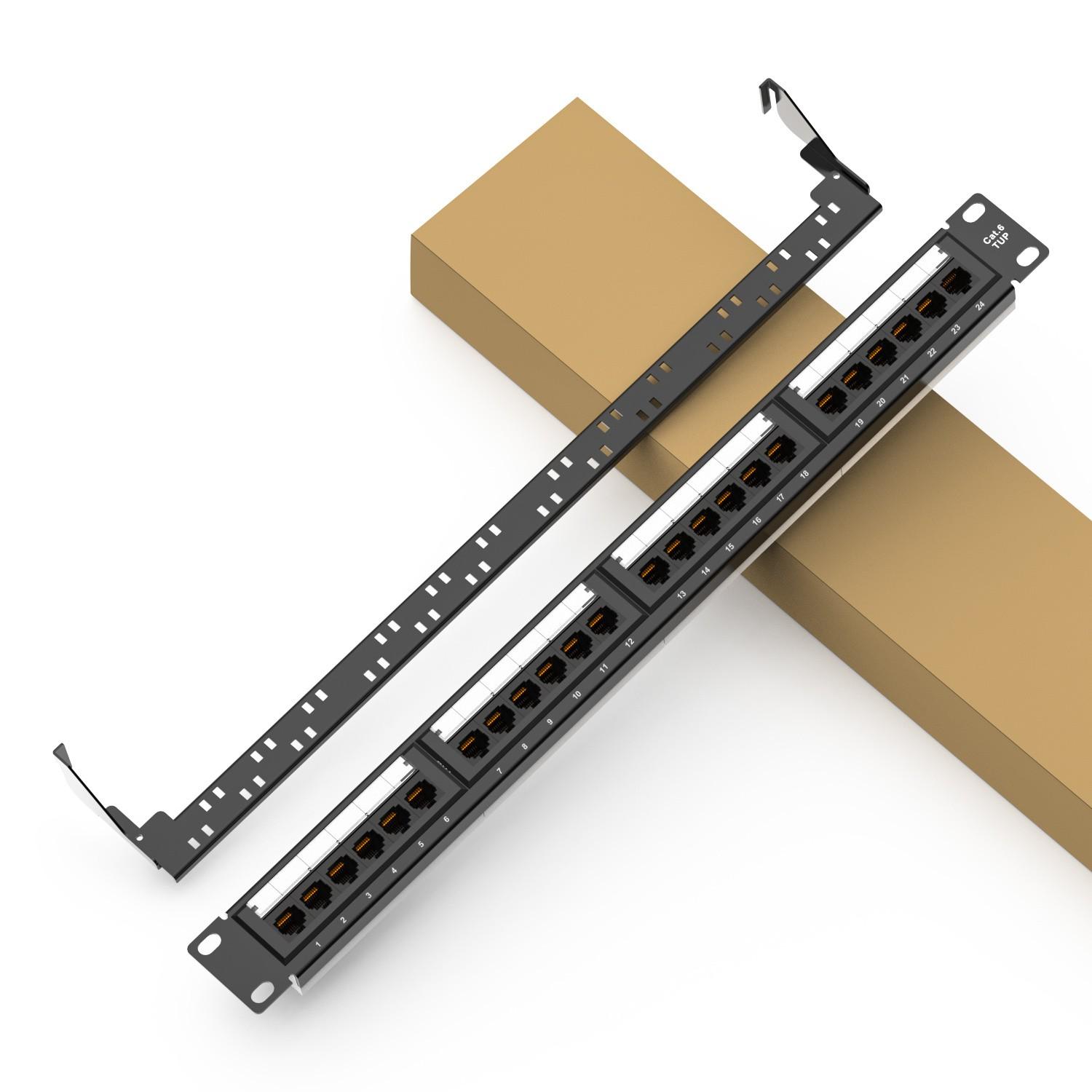
A network patch panel is one of the most important components in structured cabling infrastructure. It provides a centralized termination point where horizontal network cables from workstations, cameras, and other endpoints are organized before connecting to network switches.
Unlike directly connecting multiple cables to switches, patch panels provide a cleaner installation approach by improving cable management, reducing cable strain, and simplifying future network modifications.
Safelincs Tech provides network patch panels in Nepal suitable for different Ethernet standards and installation requirements.
Types of Network Patch Panels
1. CAT5e Patch Panels
CAT5e patch panels are commonly used for standard Ethernet networks supporting speeds up to Gigabit Ethernet. They are suitable for:
Small offices
Basic LAN installations
Low-density network environments
2. CAT6 Patch Panels
CAT6 patch panels are widely used in modern business networks where higher bandwidth and improved performance are required.
Features include:
Support for Gigabit Ethernet
Better crosstalk reduction
Compatibility with CAT6 structured cabling
Rack mounting capability
3. CAT6A Patch Panels
CAT6A patch panels are designed for advanced network infrastructure requiring higher performance and bandwidth.
Applications:
Data centers
Enterprise networks
High-performance computing environments
Technical Features of Network Patch Panels
Quality patch panels typically include:
19-inch rack mounting compatibility
IDC punch-down termination
RJ45 ports
Cable management support
Clear port labeling
Compatibility with structured cabling standards
Learn more about Network Switches and Network Rack & Server Rack as a networking infrastructure.
Keystone Jacks and RJ45 Network Modules
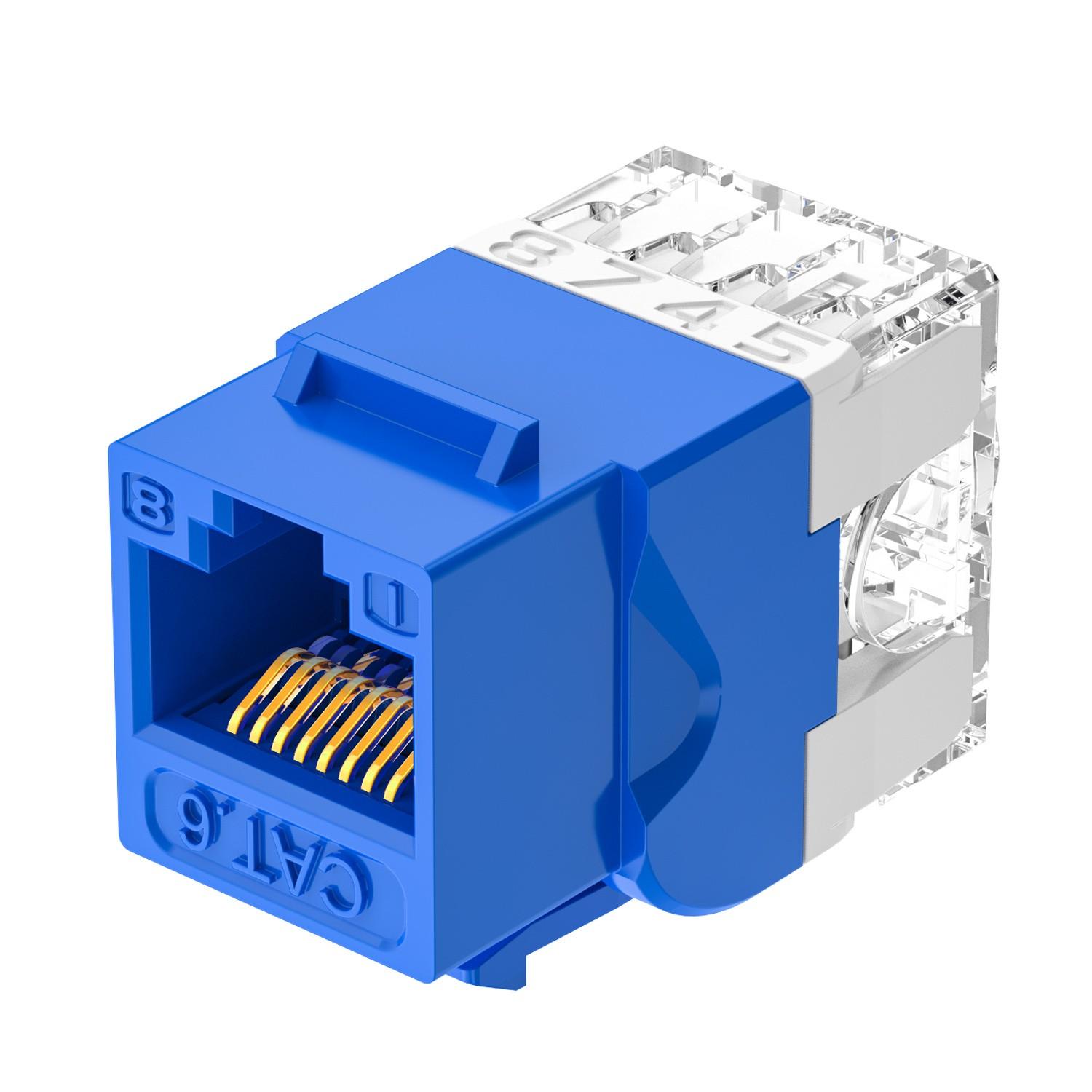
Keystone jacks are modular network connectors used for terminating Ethernet cables in patch panels, wall outlets, and faceplates. They provide a flexible solution for structured cabling installations because individual ports can be replaced or upgraded without replacing the entire infrastructure.
Safelincs Tech supplies keystone jacks in Nepal suitable for different network categories.
Types of Keystone Jacks
1. CAT5e Keystone Jack
Used for basic networking applications where standard Ethernet connectivity is required.
2. CAT6 Keystone Jack
CAT6 keystone jacks are designed for networks requiring improved bandwidth and reduced interference.
Applications:
Office LAN networks
CCTV networking
Enterprise installations
3. Shielded Keystone Jacks
Shielded modules provide additional protection against electromagnetic interference (EMI) and are commonly used in environments with electrical noise.
Examples:
Industrial facilities
Data centers
Server rooms
Technical Considerations When Selecting Keystone Jacks
Important specifications include:
Cable category compatibility
T568A/T568B wiring support
Shielding type
IDC termination quality
RJ45 connector compatibility
Network Faceplates and Wall Outlet Solutions
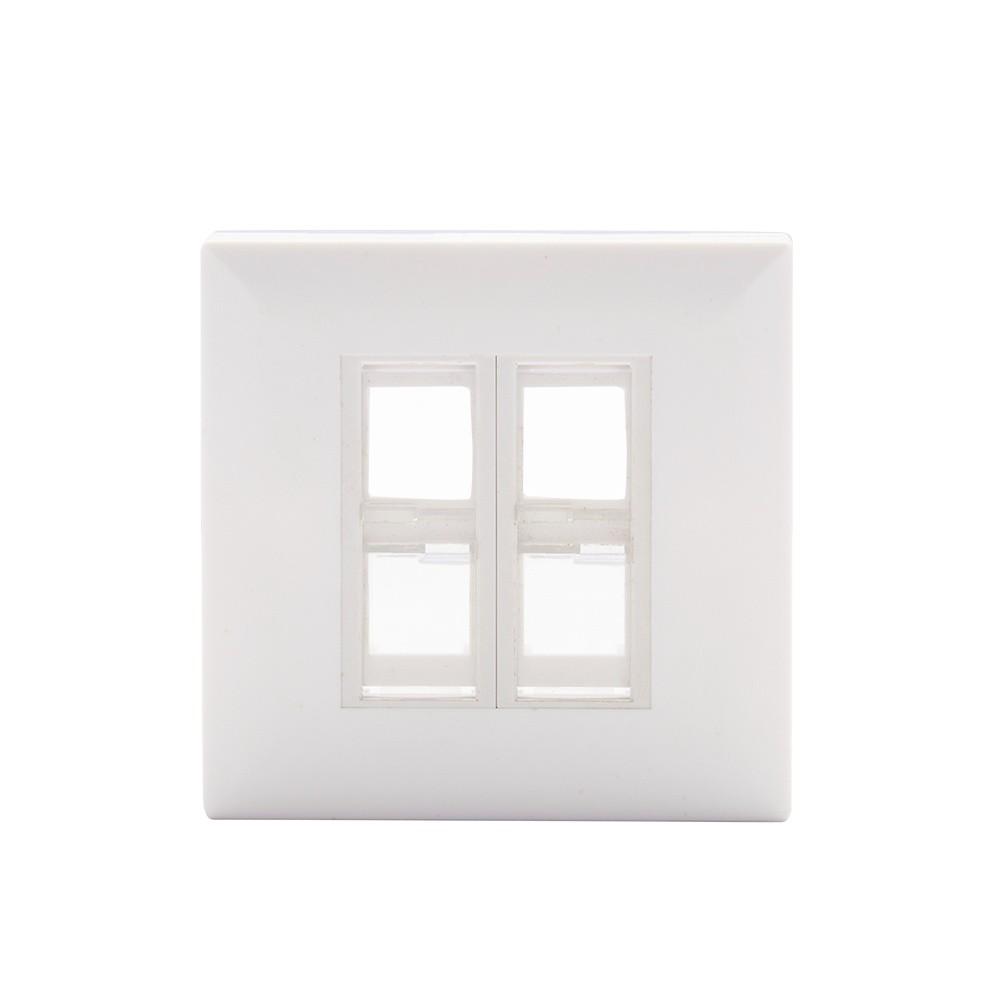
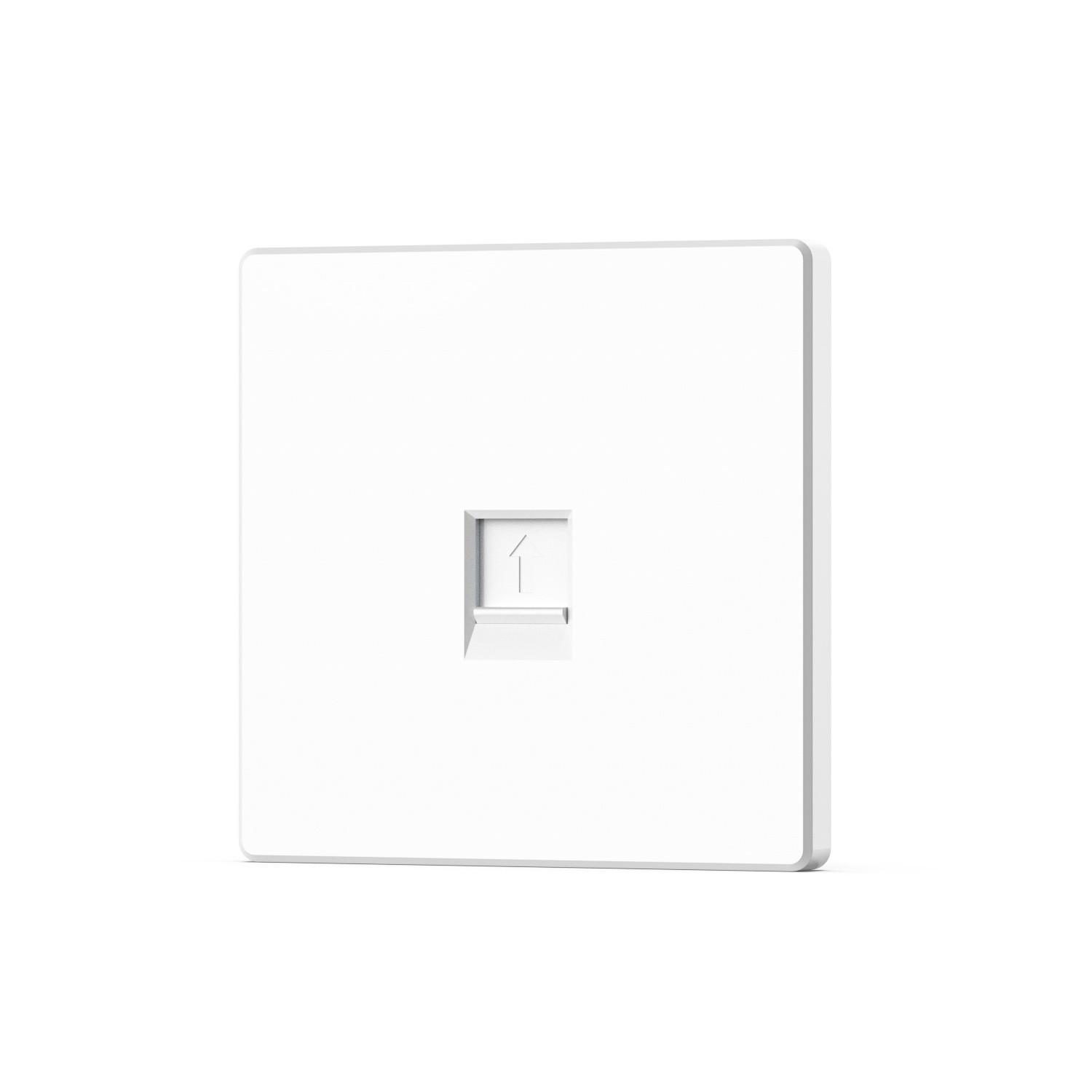
Network faceplates provide a professional termination point for Ethernet connections installed on walls, workstations, and communication outlets. They improve: cable protection, installation appearance, port accessibility and network organization
The Common types of network faceplates include: Single-port faceplates, Dual-port faceplates and Multi-port modular faceplates
Network faceplates are commonly used in:
Corporate offices
Hotels
Educational institutions
Commercial buildings
When combined with keystone jacks, faceplates create a modular network outlet system that allows easy maintenance and future upgrades.
Rack Cable Management Accessories
Proper cable management is essential for maintaining reliable network infrastructure. Poor cable organization can result in: reduced airflow, difficult troubleshooting, cable damage and increased maintenance time.
Network cable management accessories help maintain organized cable routing inside server racks and network cabinets. Safelincs Tech provides rack cable management solutions including:
1. Horizontal Cable Managers
Horizontal cable managers are installed between rack-mounted devices to organize patch cords and network cables. Its benefits are:
Cleaner rack appearance
Improved cable routing
Easier maintenance
2. Vertical Cable Managers
Vertical cable managers are used in larger installations where multiple cables enter and exit the rack. Its applications are:
Enterprise server rooms
Data centers
Large network deployments
The technical benefits includes:
Improved airflow
Reduced cable bending
Better rack utilization
Rack Accessories for Server Rooms and Network Infrastructure
Network racks require multiple supporting accessories to maintain proper operation and organization. Common rack accessories include:
Rack shelves
Cable managers
Blanking panels
Rack mounting accessories
Rack hardware components
These accessories help optimize rack space utilization and provide better equipment protection. Proper rack organization is especially important for environments containing:
Network switches
Servers
NVR systems
Firewalls
Storage devices
Rack Power Distribution Units (PDU)
A Power Distribution Unit (PDU) is a rack-mounted power management device used to distribute electrical power to networking equipment installed inside server racks.
PDUs are commonly used with:
Network switches
Servers
NVR systems
Routers
Communication equipment
Types of Rack PDUs
1. Basic PDU: Provides simple power distribution through multiple outlets.
2. Metered PDU: Includes monitoring features for tracking electrical usage.
3. Smart PDU: Provides advanced monitoring and remote management capabilities.The important PDU specifications include:
Number of power outlets
Current capacity
Rack mounting compatibility
Protection features
Importance of Using Quality Network Accessories
Using reliable networking accessories directly impacts the performance and durability of network infrastructure.
1. Improved Network Reliability
Quality network accessories ensure stable and consistent data transmission by providing secure connections between network devices and structured cabling systems. Poor-quality connectors, patch panels, or termination points can create issues such as intermittent connections, signal loss, and network downtime.
Reliable accessories are designed according to Ethernet standards such as CAT5e, CAT6, and CAT6A, ensuring proper signal integrity and reducing problems caused by interference, poor contact, or improper termination. High-quality RJ45 modules, keystone jacks, and patch panels maintain stable connections, which is especially important for business networks, server rooms, and CCTV surveillance systems where continuous connectivity is required.
2. Better Cable Organization
Proper cable organization is important for maintaining a clean, manageable, and efficient network installation. Network accessories such as cable managers, patch panels, and rack accessories help arrange cables systematically inside network racks and communication cabinets.
A well-organized cabling system improves airflow around networking equipment, prevents cable damage caused by excessive bending or pressure, and makes troubleshooting easier. Technicians can quickly identify cable connections, perform maintenance, and make network upgrades without disturbing other components.
For enterprise networks and data centers where hundreds of cables may be connected, effective cable management significantly reduces installation complexity and improves overall operational efficiency.
3. Future Scalability
Quality network accessories provide flexibility for future network expansion and upgrades. As organizations grow, they often need to add more workstations, IP cameras, wireless access points, servers, and other network devices.
Using modular and standardized components such as patch panels, keystone jacks, and rack-mounted accessories allows businesses to expand their network infrastructure without replacing the entire cabling system.
Selecting accessories compatible with modern standards such as CAT6 and CAT6A also ensures that the network can support higher bandwidth requirements and future technology upgrades, reducing long-term infrastructure costs.
4. Improved Network Performance
Network accessories directly influence the speed, stability, and efficiency of data transmission. Using compatible and high-quality components ensures that network cables perform according to their designed specifications.
For example, CAT6 patch panels and keystone jacks are designed to support higher-frequency signals compared to older standards, helping reduce crosstalk and maintain reliable Gigabit Ethernet performance.
Properly matched accessories improve:
Signal quality
Data transmission stability
Bandwidth utilization
Overall network efficiency
This is particularly important for applications requiring continuous data transfer, such as IP surveillance systems, enterprise networks, cloud applications, and data center environments.
Applications of Network Accessories
1. Enterprise Offices
Enterprise offices require structured and reliable network infrastructure to support daily business operations, employee connectivity, communication systems, and cloud-based applications. Network accessories provide the foundation required for organized LAN installations by connecting workstations, switches, wireless access points, and other network devices.
In office environments, patch panels are used to centralize cable termination, while keystone jacks and faceplates provide professional network outlets at workstations. Cable management accessories help maintain organized network racks and simplify future maintenance.
A properly installed network accessory system improves connectivity reliability, reduces downtime, and allows businesses to expand their network infrastructure as employee and technology requirements increase.
2. CCTV Surveillance Systems
Modern IP-based CCTV surveillance systems depend on reliable network infrastructure for transmitting high-quality video data. Unlike traditional analog systems, IP cameras communicate through Ethernet networks, making proper networking accessories essential for stable surveillance performance. Network accessories are used alongside IP cameras, PoE switches, and Network Video Recorders (NVRs) to create organized and reliable surveillance networks.
Patch panels help organize multiple camera connections, while cable management accessories ensure that network cables are properly routed inside racks and communication cabinets. Keystone jacks and faceplates provide professional termination points in monitoring rooms and control areas.
Using quality network accessories in CCTV installations improves video transmission stability, simplifies troubleshooting, and allows additional cameras to be added easily as security requirements grow.
3. Data Centers
Data centers require highly organized and reliable networking infrastructure because they handle large volumes of critical data traffic. Network accessories play a major role in maintaining connectivity, cable organization, and efficient equipment management within server racks.
High-density patch panels allow data center operators to manage large numbers of network connections while maintaining proper labeling and accessibility. Cable management systems help maintain proper airflow, reduce cable congestion, and simplify maintenance activities.
Rack accessories support the installation and organization of critical equipment such as servers, network switches, storage devices, and power distribution units. A well-designed network accessory system improves operational efficiency, reduces downtime, and provides the scalability required for future infrastructure expansion.
How to Choose the Right Network Accessories in Nepal ?
Before purchasing network accessories, consider:
1. Network Category Requirement
The network category is one of the most important factors when selecting networking accessories. Accessories should always match the category of Ethernet cables being used in the installation to ensure maximum performance and compatibility. Different network categories support different bandwidth capacities and transmission frequencies:
CAT5e Network Accessories are suitable for basic networking requirements and standard Gigabit Ethernet applications. They are commonly used in small offices, residential networks, and basic LAN installations where high bandwidth requirements are not necessary.
CAT6 Network Accessories are widely used in modern office networks, enterprise LAN environments, and IP surveillance systems. CAT6 components provide better performance, reduced signal interference, and improved support for high-speed data transmission.
CAT6A Network Accessories are designed for advanced networking environments such as data centers and large enterprise infrastructures. They support higher bandwidth requirements and provide better protection against crosstalk and signal degradation.
When selecting patch panels, keystone jacks, and other network components, ensure they support the same cable category to avoid performance limitations and maintain reliable connectivity.
2. Rack Compatibility
For professional network installations, especially in server rooms and data centers, network accessories must be compatible with standard rack systems. Most enterprise networking environments use 19-inch rack standards for installing patch panels, cable managers, switches, PDUs, and other rack-mounted equipment.
When selecting rack accessories, consider:
a. Rack Size and Mounting Standard
Network accessories should support standard rack dimensions to ensure proper installation and equipment alignment. Components such as patch panels and cable managers are commonly designed for 19-inch racks.
b. Rack Unit Requirements (1U/2U)
Rack-mounted accessories occupy specific rack space measured in Rack Units (U). For example: 1U patch panels are commonly used for standard network connections, 2U cable management systems may be required for larger cable volumes.
Selecting the correct rack unit size helps optimize cabinet space and ensures proper arrangement of networking equipment.
c. Cable Routing and Airflow
Rack compatibility also affects cable organization and airflow management. Properly installed rack accessories prevent cable congestion, maintain ventilation, and make future maintenance easier.
3. Port Requirement
The number of ports required should be determined based on the current network size and future expansion needs. Selecting the correct port capacity ensures that the network can accommodate existing devices while allowing additional connections in the future.
For example:
12-port patch panels are suitable for small office networks or limited installations.
24-port patch panels are commonly used in medium-sized business networks.
48-port patch panels are preferred for enterprise networks, data centers, and high-density installations.
When calculating port requirements, consider:
Number of workstations
IP cameras
Wireless access points
Network switches
Future device additions
Planning additional capacity during installation reduces the need for major upgrades later and provides a more scalable network infrastructure.
4. Shielding Requirements
The shielding type of network accessories should be selected according to the installation environment and the level of electromagnetic interference (EMI) present. Electrical equipment, power cables, industrial machinery, and other electronic devices can generate interference that affects network signal quality. Choosing the correct shielding type helps maintain stable data transmission.
a. UTP (Unshielded Twisted Pair)
UTP accessories are commonly used in standard office environments where electromagnetic interference is minimal. Its suitable applications include: Offices, schools and residential networks.
Its advantages are:
Cost-effective solution
Easy installation
Suitable for general Ethernet networks
b. FTP (Foiled Twisted Pair)
FTP accessories include additional foil shielding to reduce electromagnetic interference. They are suitable for environments where moderate protection is required, such as commercial buildings and areas with nearby electrical equipment.
Its benefits include:
Improved signal protection
Reduced external interference
Better network stability
c. STP (Shielded Twisted Pair)
STP accessories provide stronger protection against interference through additional shielding around cable pairs. They are recommended for: Industrial environments, data centers and areas with heavy electrical equipment
Selecting the correct shielding type ensures better signal integrity and reduces transmission errors.
5. Application Environment
The type of environment where the network will be installed plays an important role in selecting the right accessories. Different applications have different requirements regarding performance, durability, organization, and scalability.
a. Office Networks
Office environments require organized and reliable connectivity for computers, printers, wireless access points, and communication systems. Some commonly used accessories include: Patch panels, keystone jacks, Network faceplates and cable management accessories
The focus is usually on:
Easy maintenance
Professional cable organization
Future expansion capability
A structured cabling system helps businesses maintain reliable connectivity while allowing additional users and devices to be added easily.
b. Data Centers
Data centers require high-performance networking accessories because they handle large amounts of data traffic and critical infrastructure. Some common accessories include: high-density patch panels, rack cable management systems, rack accessories and Power distribution units (PDUs).
Important considerations include:
Efficient airflow management
High port density
Easy troubleshooting
Scalable infrastructure
Proper network accessory selection helps maintain uptime and improves operational efficiency in data center environments.
c. Industrial Networks
Industrial environments often experience higher levels of electromagnetic interference, temperature variations, and physical stress. These environments require: shielded network accessories, durable connectors and reliable cable management solutions.
Industrial-grade accessories help maintain stable communication between networking devices even in challenging conditions.
d. CCTV Surveillance Installations
IP-based CCTV systems depend on reliable network infrastructure for transmitting video data between cameras, PoE switches, and NVR systems. Network accessories used in CCTV installations include: CAT6 patch panels, Keystone jacks, cable managers and rack accessories.
Important considerations include:
Stable data transmission
PoE compatibility
Proper cable organization
Future camera expansion
Choosing suitable network accessories ensures reliable video transmission, easier maintenance, and improved surveillance system performance.
By considering network category, rack compatibility, port capacity, shielding requirements, and application environment, businesses can select the right network accessories in Nepal that provide reliable performance, easy maintenance, and long-term scalability.
Why Choose Safelincs Tech for Network Accessories in Nepal?
Safelincs Tech provides reliable networking solutions for businesses, organizations, and professional installers across Nepal. Our network accessory solutions are suitable for:
Enterprise networking projects
Structured cabling installations
CCTV infrastructure
Server rooms
Commercial network deployments
With a complete range of networking products, Safelincs Tech helps customers build organized, scalable, and reliable network infrastructure.
Frequently Asked Questions
1. What are network accessories?
Network accessories are passive networking components used to establish, organize, and maintain physical network connections. They include patch panels, keystone jacks, faceplates, cable managers, and rack accessories.
2. Which network accessories are required for a LAN setup?
A typical LAN installation requires: Ethernet cables, patch panels, Keystone jacks, Network faceplates, Network racks and cable management accessories.
3. What is the difference between a patch panel and a network switch?
A patch panel is a passive component used for cable termination and organization, while a network switch is an active device responsible for forwarding network data.
4. Which patch panel is suitable for CAT6 cables?
CAT6 patch panels are recommended for CAT6 structured cabling systems because they maintain compatibility with CAT6 performance requirements.
5. Why are keystone jacks used in networking?
Keystone jacks provide modular Ethernet connections and allow easy installation, replacement, and maintenance of network outlets.
6. What are rack cable management accessories used for?
They organize network cables inside racks, improve airflow, reduce cable stress, and simplify troubleshooting.
7. What accessories are needed for a server rack?
Common server rack accessories include: patch panels, cable managers, rack shelves, PDUs and blanking panels.
8. What is the purpose of a rack PDU?
A rack PDU distributes electrical power to multiple devices installed inside a network rack.
9. Where can I buy network accessories in Nepal?
Safelincs Tech provides networking accessories including patch panels, keystone jacks, rack accessories, and structured cabling components in Nepal.
10. How do I select the right networking accessories?
Selection depends on network category, installation environment, rack requirements, port capacity, and future scalability needs.