
Fire Hydrant System
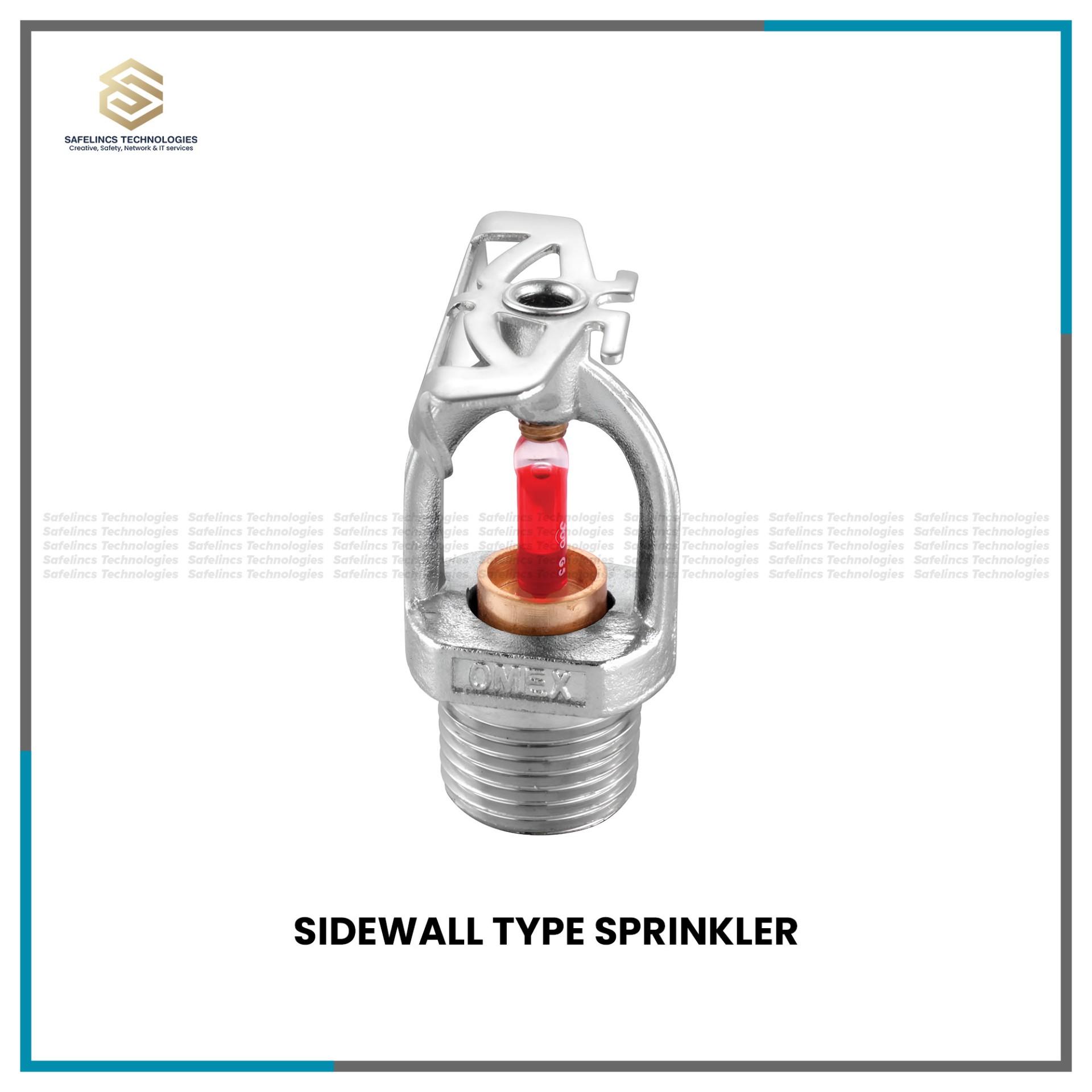
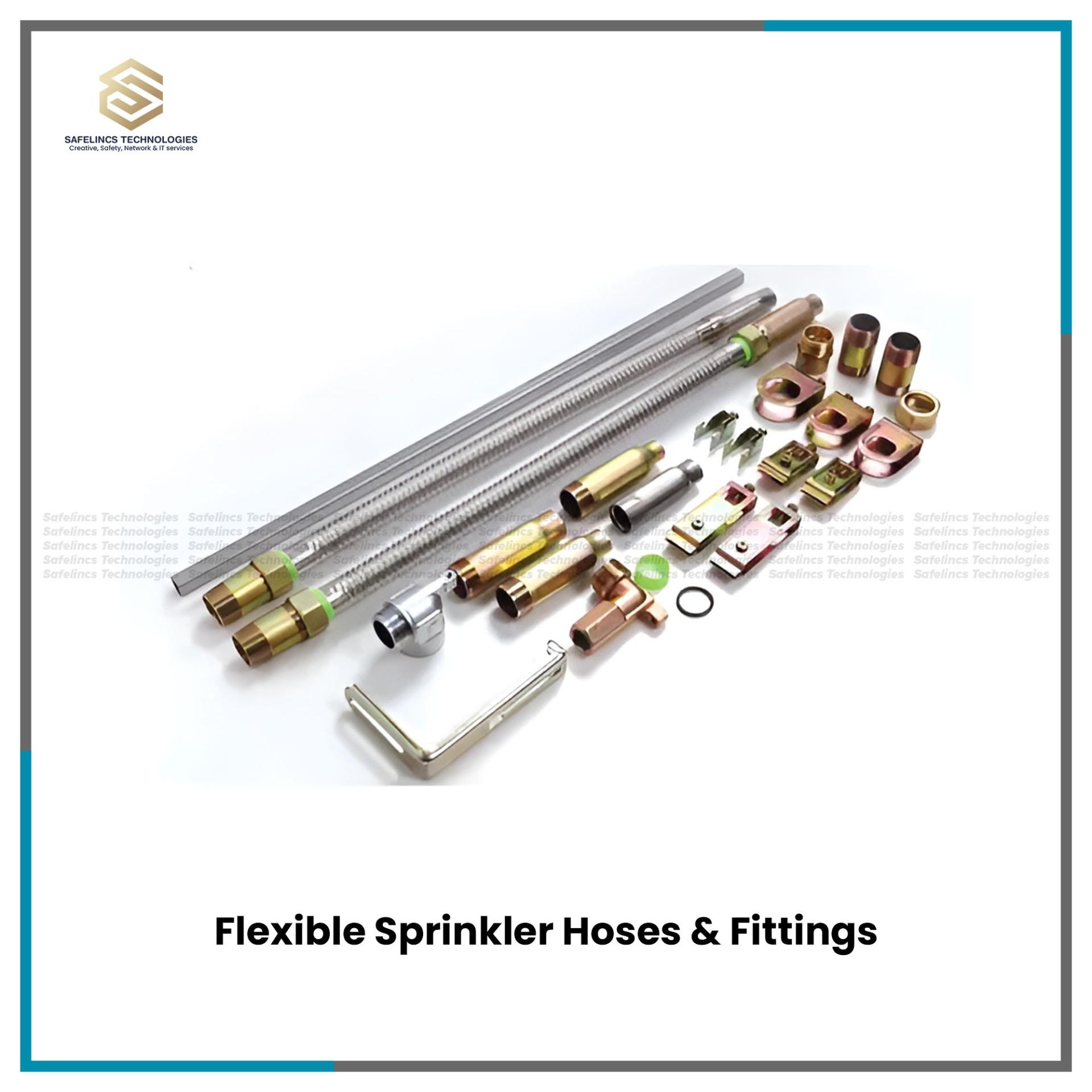
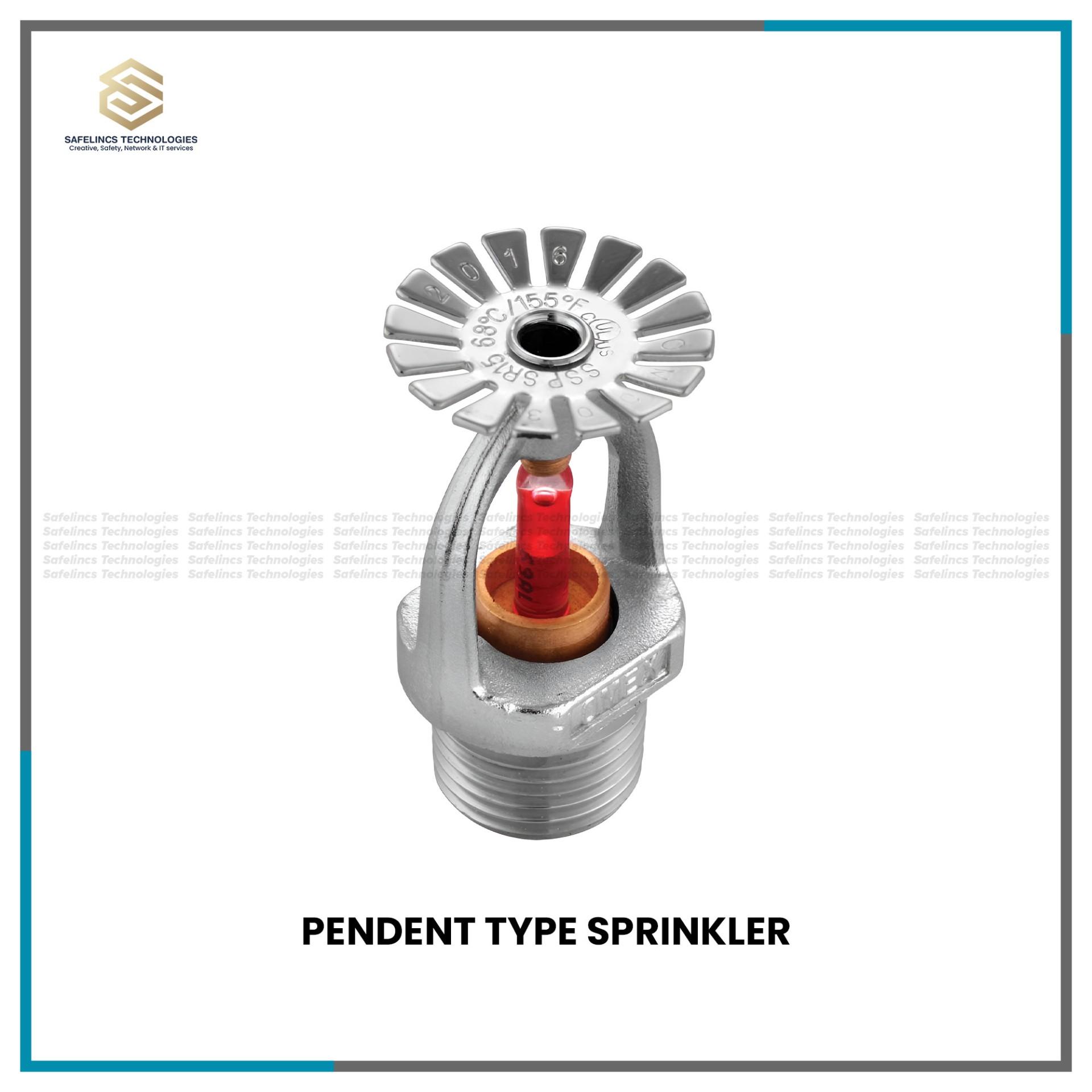
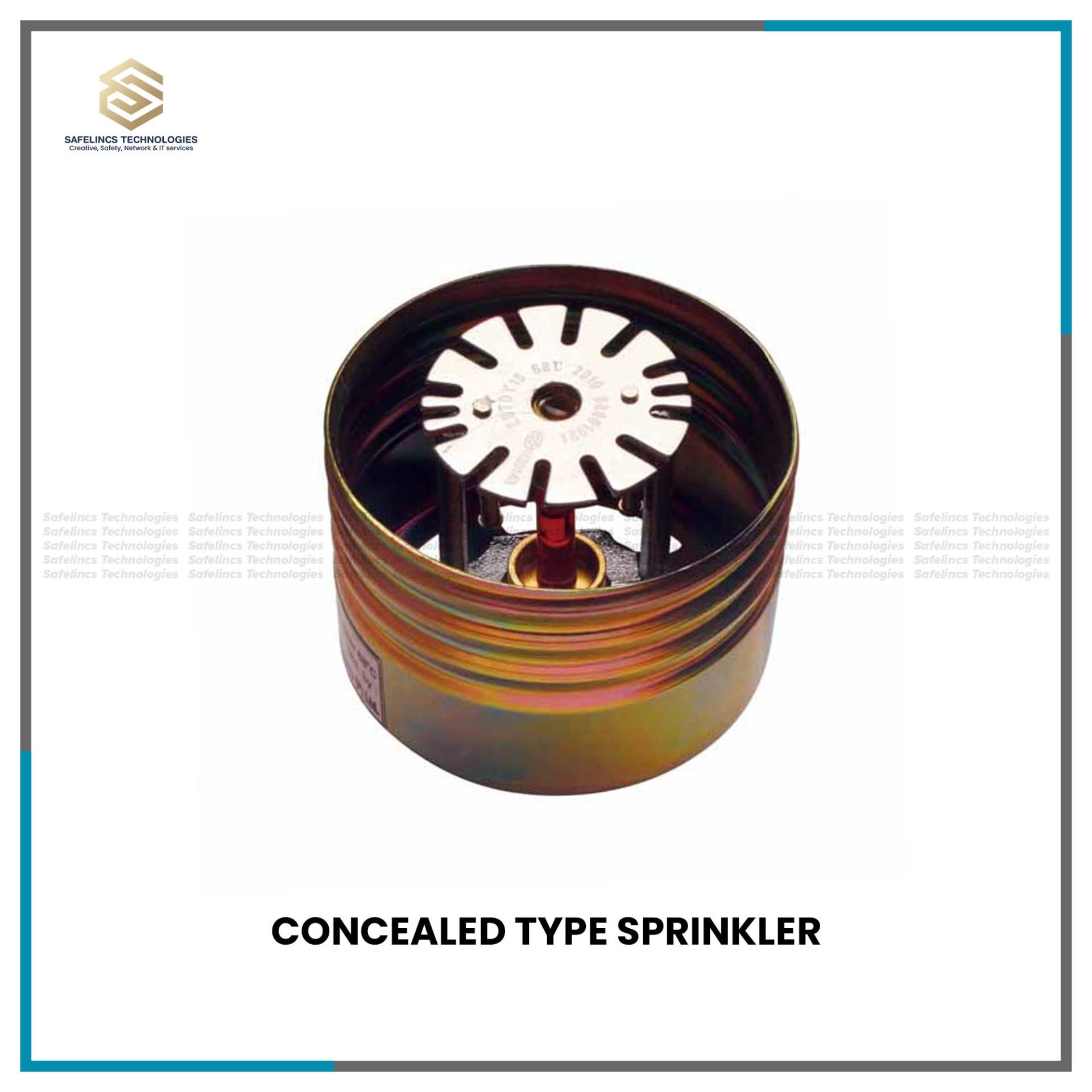
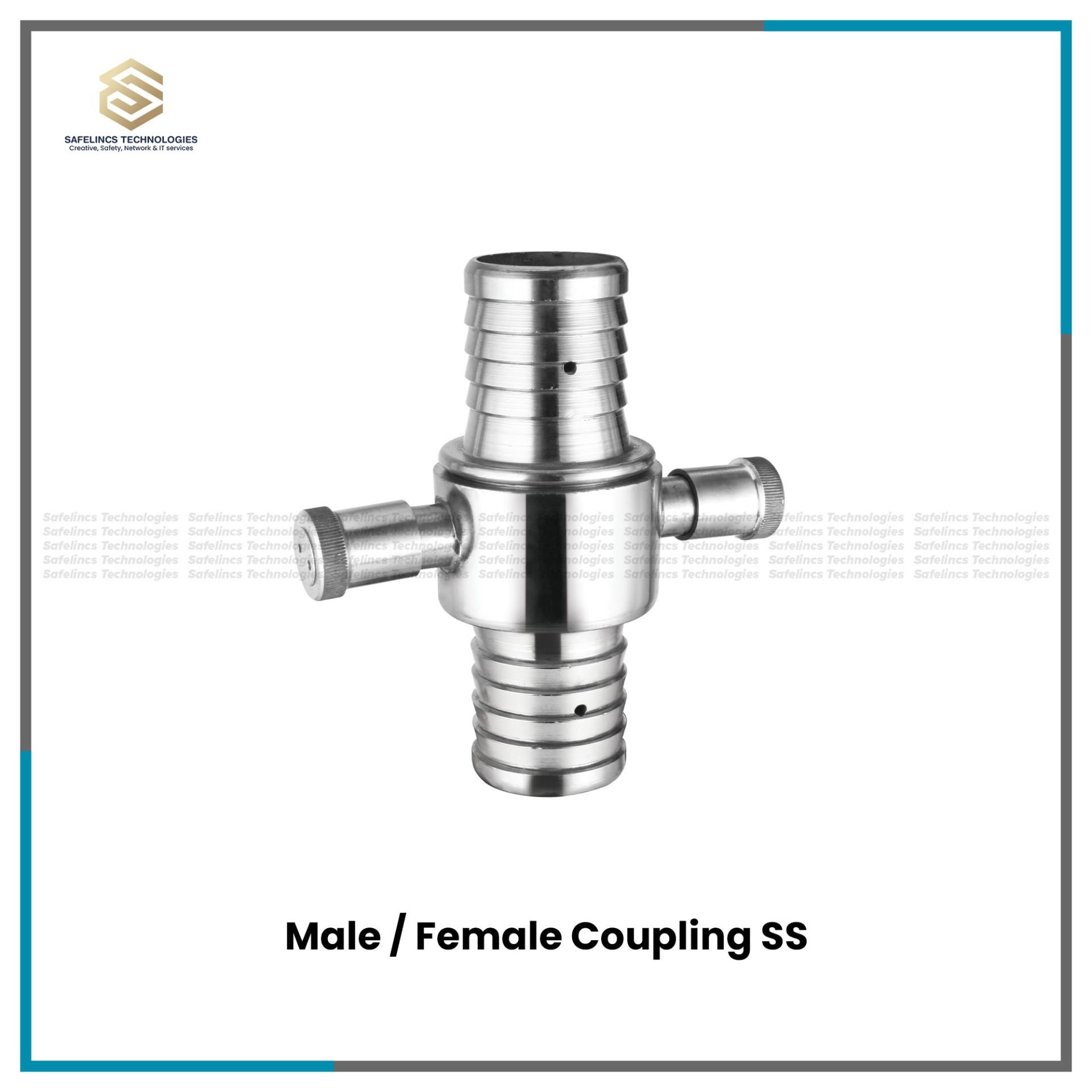
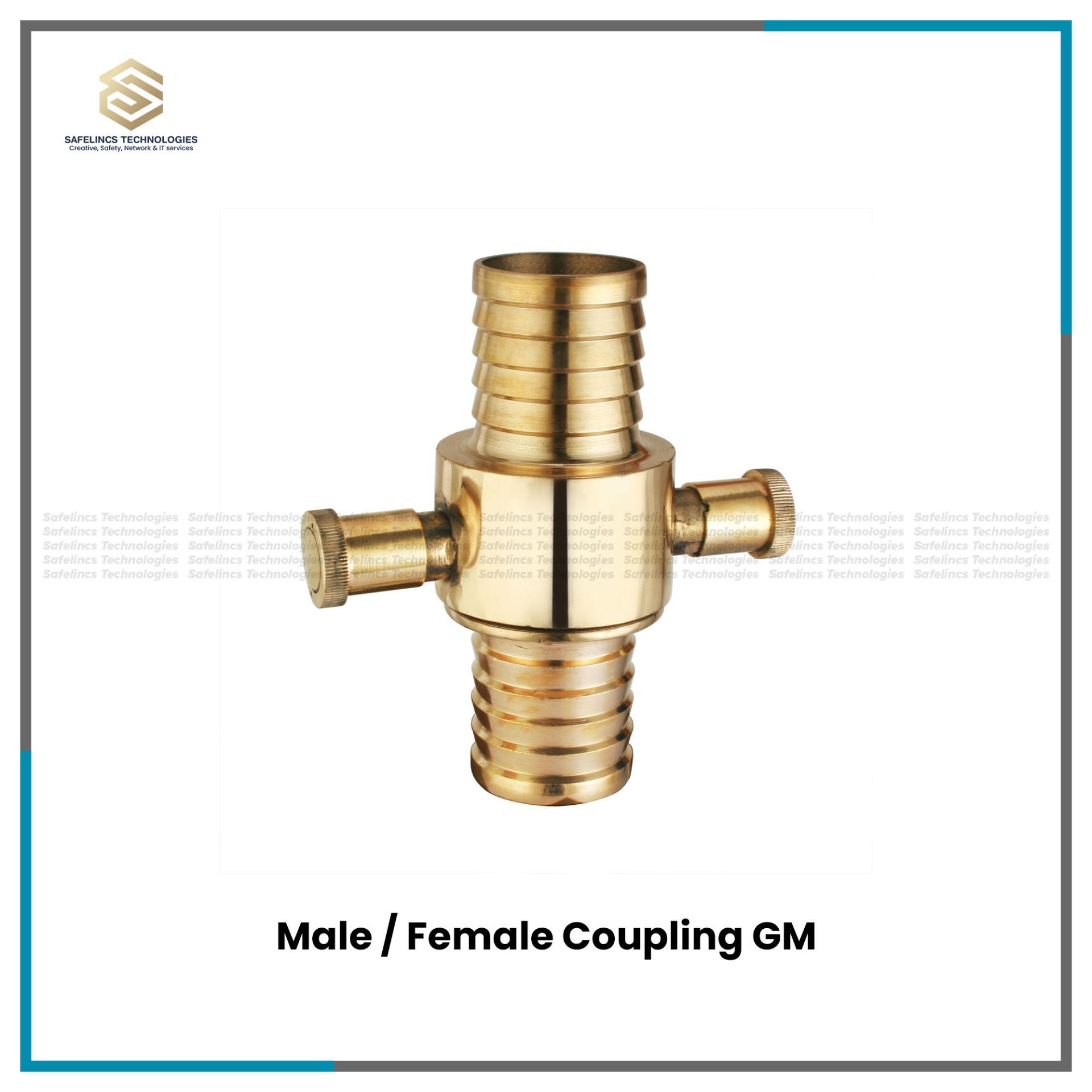
Fire Hydrant Nozzles: For Fire Hose
Male Female Coupling-GM- Hose Pipe Coupling NepalRs. 9,700
Rs. 9,800-1% OFF
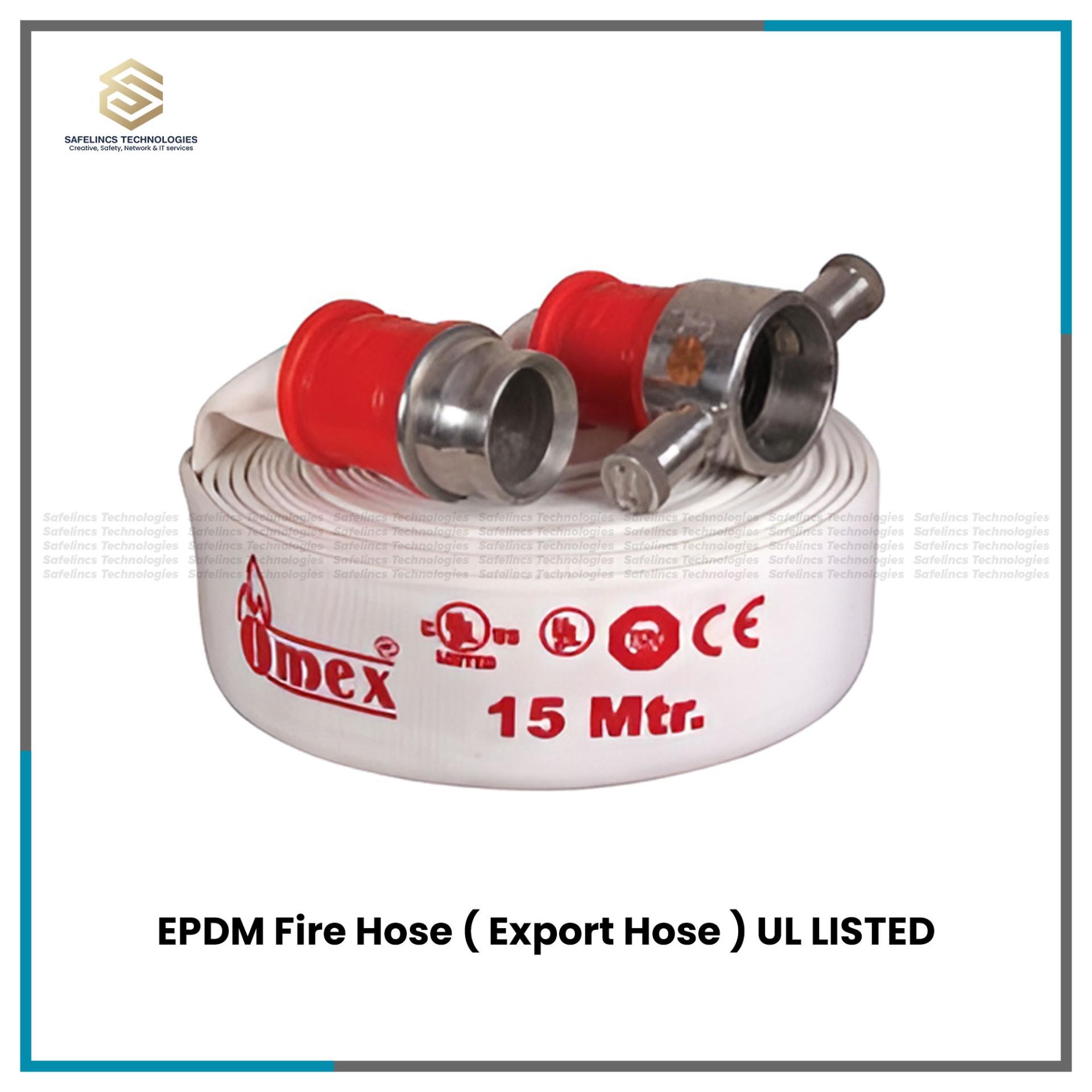
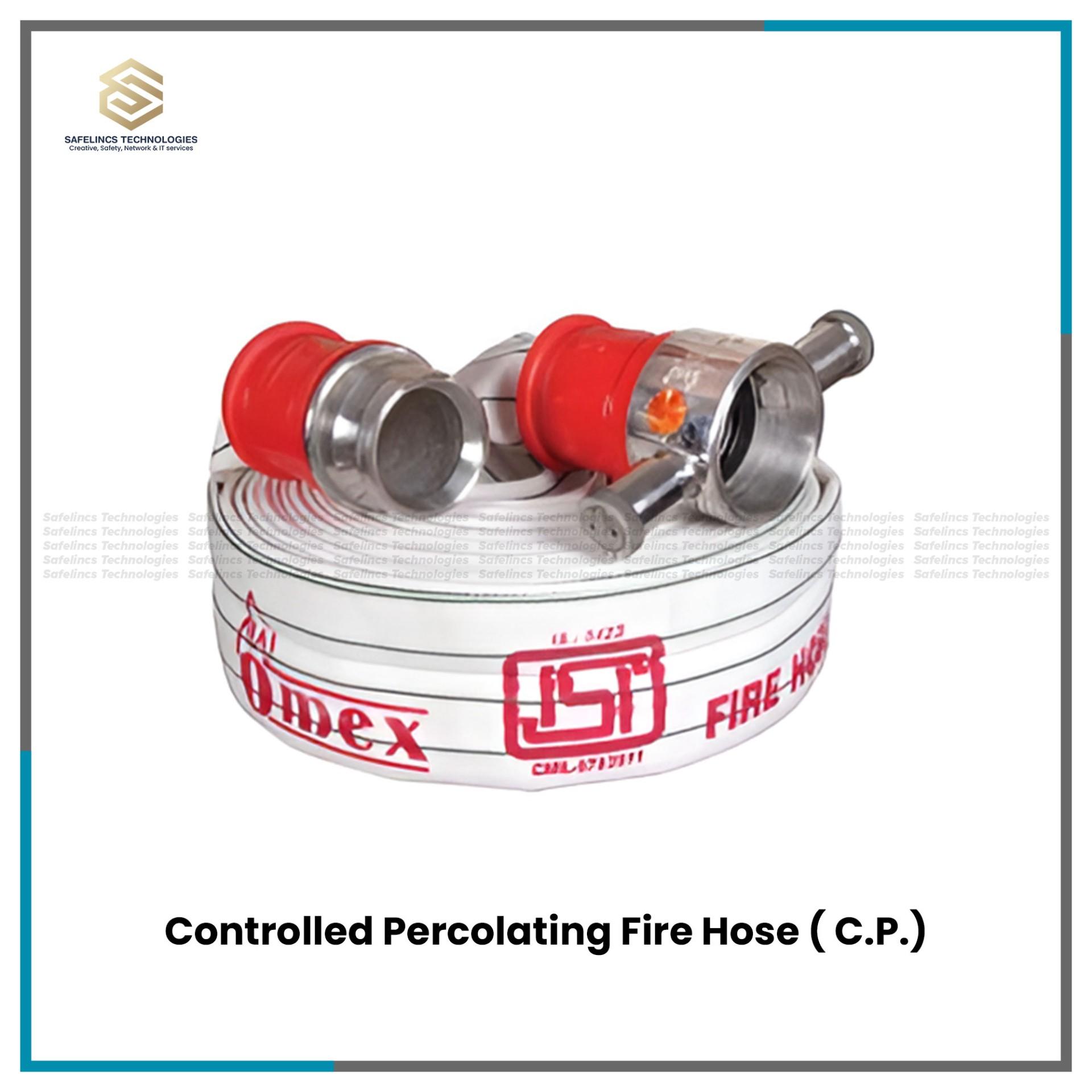
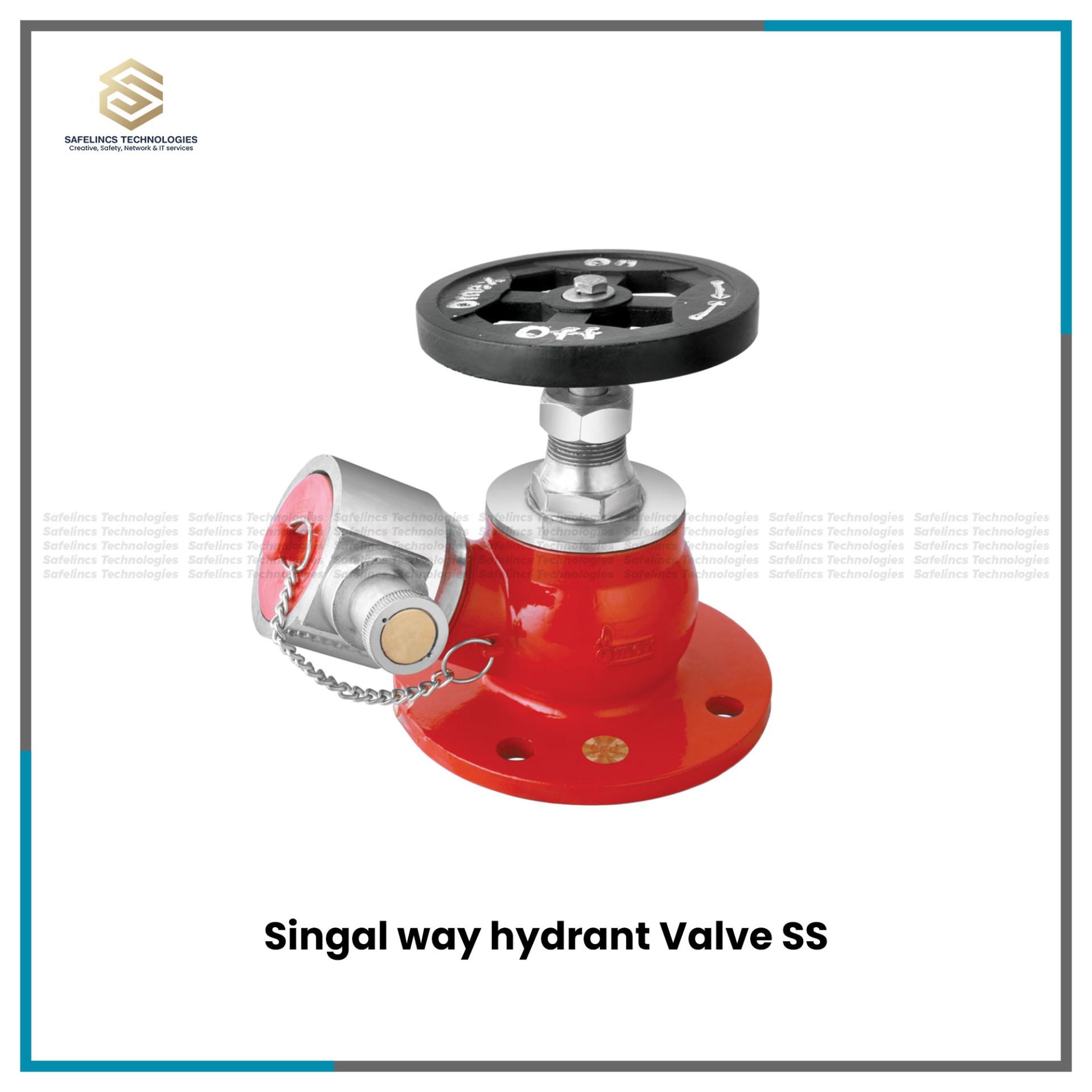
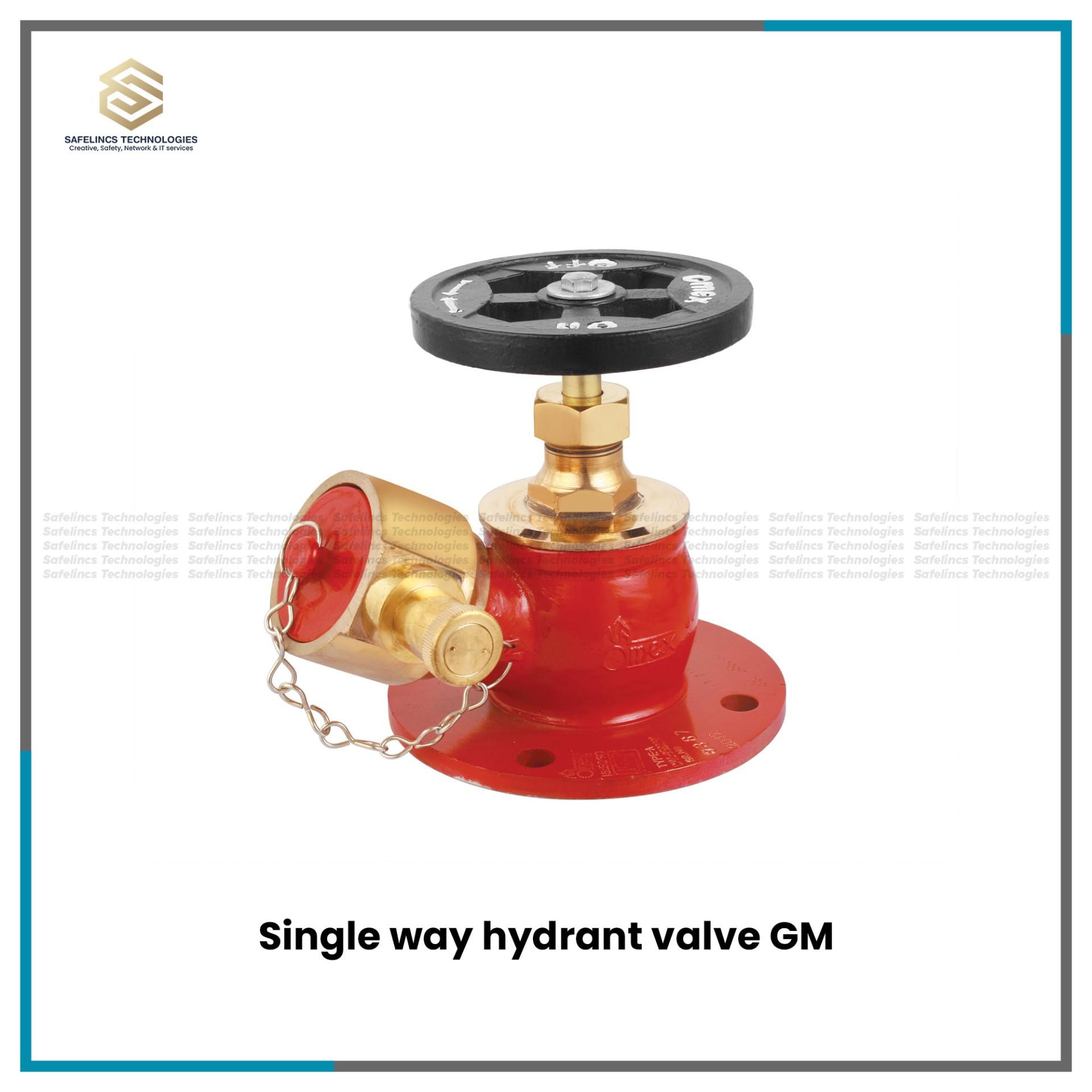
A fire hydrant system in Nepal is a fixed water-based firefighting system designed to provide a reliable supply of pressurized water at designated firefighting points inside or around a building. These systems are commonly used in commercial buildings, factories, warehouses, hospitals, hotels, schools, residential complexes, high-rise buildings and industrial facilities where a sustained firefighting water supply may be required.
A properly engineered hydrant system combines fire-water storage, fire pumps, pipework, landing valves, fire hoses, hose reels, branch pipes, nozzles, couplings and control valves into one coordinated hydraulic network. Each component affects the flow, pressure and overall operating performance of the complete system.
Safelincs Technologies supplies fire hydrant equipment in Nepal for new installations, replacement requirements and system upgrades. Product selection should consider pressure rating, required water flow, connection size, construction material, equipment compatibility and system-design requirements rather than price alone.
Fire Hydrant Products & Equipment in Nepal
A fire hydrant installation should be considered a complete hydraulic network rather than a collection of individual firefighting products. Pumps, pipework, valves, hoses and nozzles need to work together so that sufficient firefighting water reaches the required outlet at an adequate pressure and flow.
Safelincs provides different types of hydrant products for commercial, residential, institutional and industrial applications.
1. Fire Hydrant Landing Valves
A fire hydrant landing valve provides a controlled water outlet from the hydrant or wet-riser pipe network. During firefighting, a hose is connected to the valve so that pressurized water can be supplied from the hydrant network to the fire location.
Important technical parameters when selecting a landing valve include:
inlet and outlet connection size
construction material
working pressure
pressure rating
coupling compatibility
valve operating mechanism
installation orientation
system operating pressure
applicable connection standard
Safelincs offers fire hydrant landing valves in Nepal in different constructions, including brass and gunmetal options for different hydrant-system requirements.
Landing valves should be selected as part of the complete hydraulic design because outlet size, pressure loss and connection compatibility can influence system performance.
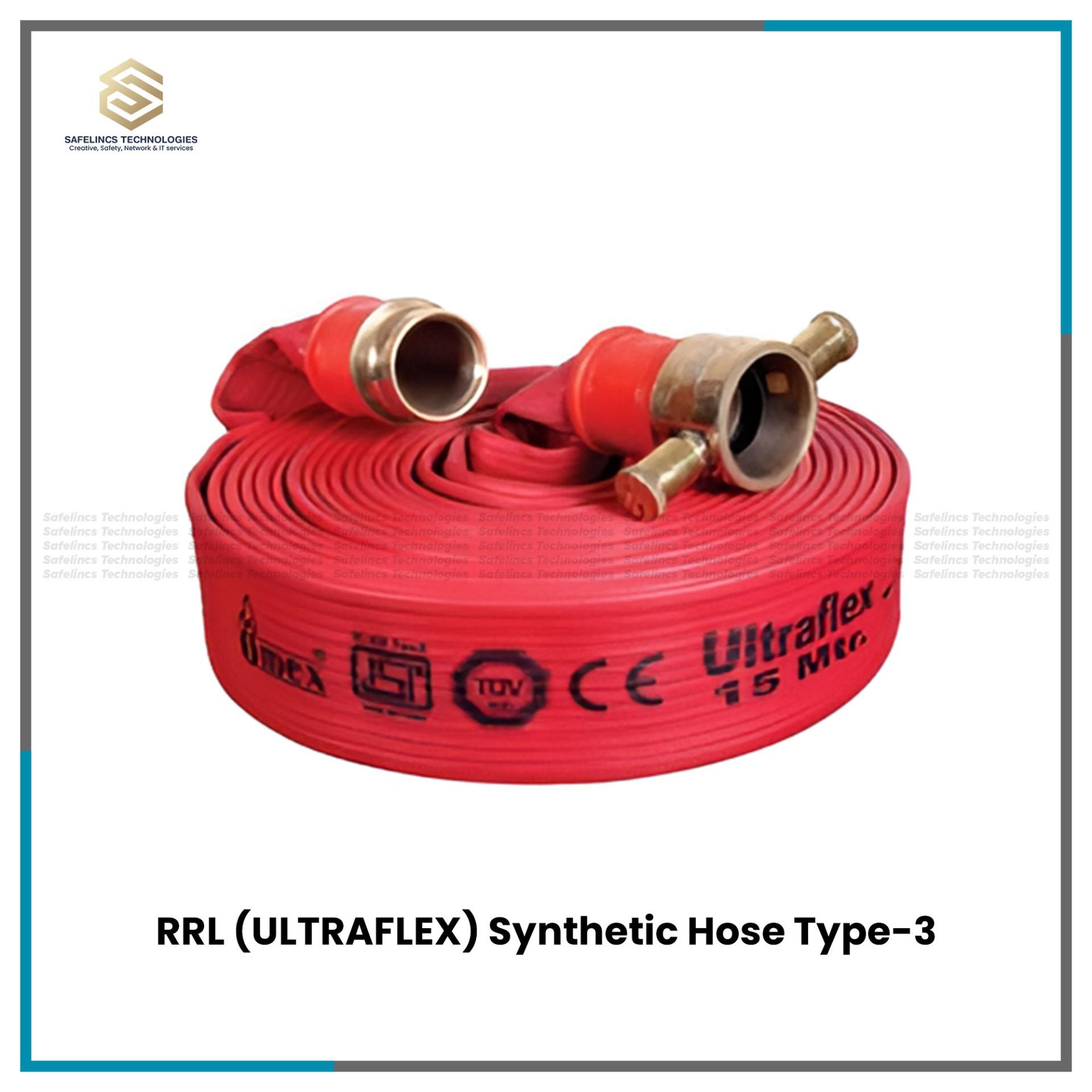
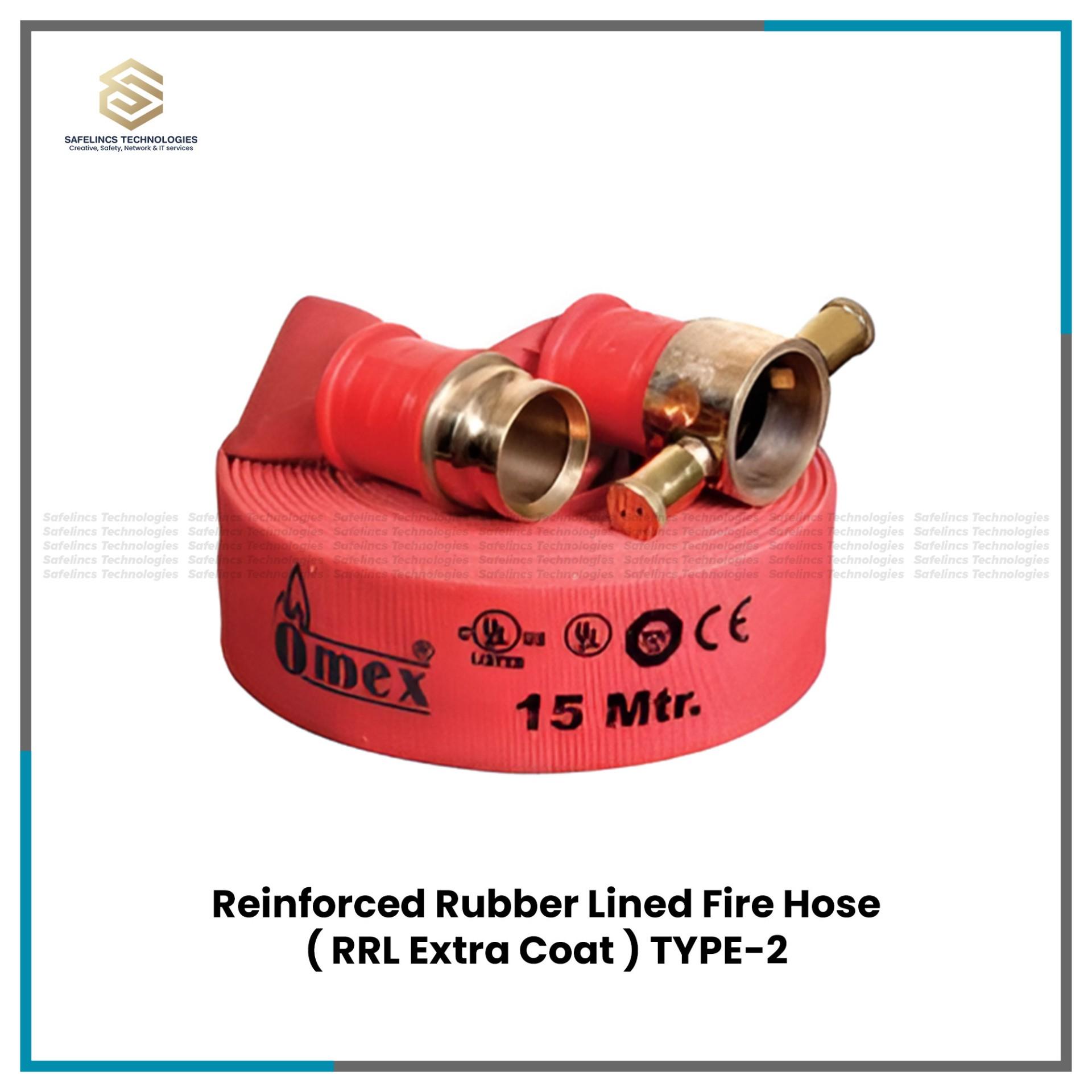
2. Fire Hose Pipes
A fire hose pipe transfers pressurized firefighting water from the landing valve or hydrant outlet to the branch pipe and nozzle.
Important factors when selecting a fire hose include:
hose diameter
hose length
internal lining
construction material
working pressure
pressure resistance
coupling type
flexibility
abrasion resistance
intended firefighting application
The hose diameter and construction influence pressure loss along the hose. As water flow increases, hydraulic losses through the hose also become more important, particularly where long hose lengths are used.
Safelincs supplies fire hose pipes in Nepal, including reinforced rubber-lined, EPDM and other hose configurations for fire hydrant applications.
The hose, landing valve, coupling and nozzle should have compatible connection sizes and operating characteristics so the complete assembly can be connected and deployed correctly during an emergency.
3. Fire Hose Reels
A fire hose reel provides a permanently connected firefighting hose intended for rapid first-response operation. It is normally installed at an accessible location within the protected building so that the hose can be extended toward the fire while remaining connected to the water supply.
Technical factors to consider include:
hose diameter
hose length
operating pressure
reel construction
mounting arrangement
nozzle type
water-supply connection
ease of hose deployment
Safelincs provides fire hose pipes and hose reels for different firefighting applications.
A hose reel and a hydrant outlet do not necessarily perform the same function. Hose reels are generally used for rapid initial firefighting, while hydrant outlets can support larger firefighting water demand through landing valves and detachable hoses.
4. Fire Hydrant Nozzles & Branch Pipes
A fire hydrant nozzle or branch pipe controls and directs water discharged through the fire hose.
The hydraulic and operating characteristics of the nozzle can influence:
discharge flow
water velocity
stream pattern
stream reach
operator control
pressure requirements
overall hydraulic resistance
The nozzle bore and connection should therefore be compatible with the hose and coupling used in the hydrant assembly.
Safelincs supplies fire hydrant nozzles, branch pipes and couplings for firefighting installations.
5. Fire Hose Couplings
Fire hose couplings create the mechanical connection between the major discharge components of the hydrant system:
Landing Valve → Fire Hose → Branch Pipe / Nozzle
The coupling diameter, construction material and connection type should be compatible across the complete assembly.
Incorrect or incompatible couplings can cause leakage, connection difficulty or inability to connect firefighting equipment during an emergency.
When selecting couplings, consider:
nominal size
construction material
sealing arrangement
connection type
hose compatibility
landing-valve compatibility
branch-pipe compatibility
operating pressure
Compatible hydrant hose couplings can be found within Safelincs' fire hydrant nozzle and coupling range.
6. Fire Brigade Connections
A fire brigade connection provides an external connection through which responding firefighting personnel can introduce water into the building's firefighting network where such an arrangement is included in the system design.
Important considerations include connection compatibility, location, accessibility, pipe arrangement and integration with the hydrant network.
The brigade connection should form part of the overall hydraulic design rather than being treated as an independent fitting.
7. Fire Hydrant Cabinets
A fire hydrant cabinet provides organized and protected storage for hydrant equipment such as landing valves, fire hoses, branch pipes, nozzles or hose reels depending on the installation configuration.
A hydrant cabinet should allow the equipment to remain:
visible and identifiable
easily accessible
protected from unnecessary physical damage
properly arranged
ready for emergency deployment
Cabinet dimensions and internal arrangement should match the firefighting equipment installed inside it.
8. External Fire Hydrant Posts
An external fire hydrant post provides an accessible firefighting water outlet outside a building or within a protected site.
External hydrants may form part of an external fire-water main or ring-main arrangement serving locations such as:
industrial facilities
factories
warehouses
commercial compounds
access roads
yards
building perimeters
large institutional sites
Hydrant location, accessibility, connection arrangement and available pressure and flow should be considered during the overall fire hydrant system design.
Fire Hydrant System Price in Nepal
The fire hydrant price in Nepal varies according to product type, size, construction material, pressure rating, connection standard, manufacturer and technical specifications.
Individual products such as landing valves, fire hoses, hose reels, couplings, branch pipes and nozzles can be purchased separately. However, the price of individual components should not be confused with the cost of a complete fire hydrant installation.
A complete fire hydrant system price in Nepal may depend on:
building height
total floor area
number of hydrant points
required firefighting water flow
required residual pressure
fire-water storage capacity
main fire-pump capacity
standby pump requirements
jockey-pump requirements
pipe diameter
total pipe length
hydrant valves
hose stations
control and isolation valves
electrical and pump controls
installation complexity
pressure testing
functional testing
commissioning
For example, Safelincs lists hydrant components separately across its landing valve range, fire hose and hose reel range and hydrant nozzle and coupling range.
For a complete engineered system, pricing should be based on the actual project requirements and hydraulic design rather than simply adding the cost of individual hydrant products.
What Is a Fire Hydrant System?
A fire hydrant system is a fixed pressurized water-based firefighting network designed to supply water through designated hydrant outlets.
A simplified hydraulic path is: Fire-Water Storage → Fire Pump → Main Pipe Network → Landing Valve → Fire Hose → Branch Pipe / Nozzle
During operation, water is drawn from the dedicated water source and moved through the pipe network by the fire pump. The landing valve provides the controlled outlet, while the hose and nozzle allow firefighters to direct the water toward the fire.
The system must provide adequate water flow while maintaining sufficient pressure at the required firefighting outlets, including hydraulically demanding locations.
Main Components of a Fire Hydrant System
A complete hydrant system can contain several hydraulically interconnected components.
Component | Main Technical Function |
Fire-Water Tank | Stores dedicated firefighting water |
Main Fire Pump | Supplies the required firefighting flow and pressure |
Standby Fire Pump | Provides backup pumping capacity where required |
Jockey Pump | Maintains system pressure during minor pressure losses |
Hydrant Pipe Network | Distributes water throughout the protected building or site |
Landing Valve | Provides a controlled firefighting water outlet |
Fire Hose | Transfers water from the hydrant outlet |
Branch Pipe / Nozzle | Controls and directs the water stream |
Fire Hose Reel | Provides accessible first-response water discharge |
Fire Hose Coupling | Connects valves, hoses and nozzles |
Isolation Valve | Allows sections of the network to be isolated |
Check / Non-Return Valve | Helps prevent unwanted reverse water flow |
Pressure Gauge | Allows system pressure to be monitored |
Fire Brigade Connection | Allows fire-service water supply where included in the system |
These components should not be selected independently. Pump performance, pipe diameter, hydrant location, valve characteristics, hose losses and nozzle characteristics all influence the hydraulic performance of the complete network.
How Does a Fire Hydrant System Work?
Under normal conditions, the hydrant network remains ready for operation at its designed system pressure.
Minor pressure losses in the network may be compensated for by the jockey pump, helping maintain pressure without unnecessarily operating the main fire pump.
When a hydrant landing valve is opened, firefighting water begins to discharge from the system. This creates increased water demand and a reduction in network pressure.
A simplified operating sequence is: Hydrant Opened → System Pressure Drops → Fire Pump Operates → Water Enters Main Pipe Network → Landing Valve Supplies Hose → Nozzle Directs Water
The fire pump must provide sufficient pressure to overcome hydraulic losses while maintaining the required operating conditions at the firefighting outlet.
These losses may include:
static elevation
pipe friction
elbows and fittings
valves
hose friction
nozzle resistance
other system components
This is why the complete hydrant network should be hydraulically evaluated rather than selecting the fire pump and pipework independently.
Internal vs External Fire Hydrant Systems
Fire hydrant systems can provide protection inside buildings, outside buildings or across both areas depending on the project requirements.
Feature | Internal Fire Hydrant System | External Fire Hydrant System |
Location | Inside the building | Outside the building or around the site |
Typical installation | Staircases, protected lobbies and designated hydrant points | Site roads, yards, industrial areas and building perimeter |
Water network | Internal riser or hydrant pipework | External hydrant main or ring main |
Primary purpose | Firefighting within building areas | External firefighting and site coverage |
Typical users | Trained personnel and firefighters | Firefighters and emergency response teams |
Large commercial, industrial and institutional projects may use both internal and external hydrant networks as part of the overall fire-protection strategy.
Fire Hydrant Pump System
The fire hydrant pump system is one of the most important parts of the installation because it must provide the required firefighting water flow while maintaining sufficient pressure throughout the network.
1. Main Fire Pump
The main fire pump supplies the design firefighting flow when significant water demand occurs within the hydrant network.
2. Standby Fire Pump
Where required by the system design, a standby fire pump provides additional reliability if the primary pump or associated power source becomes unavailable.
3. Jockey Pump
A jockey pump maintains normal network pressure and compensates for small pressure losses or minor leakage. The jockey pump helps prevent unnecessary operation of the main fire pump during small pressure fluctuations.
4. Fire Pump Selection
Fire hydrant pump selection should consider:
total required firefighting flow
static head
required residual pressure
building elevation
pipe friction losses
valve losses
fitting losses
hose losses
nozzle requirements
number of simultaneously operating hydrants
network configuration
A simplified design relationship is:
Required Pump Head = Static Elevation + Hydraulic Losses + Required Residual Pressure
The actual hydraulic calculation is more detailed because pipe lengths, diameters, fittings, valves and operating outlets must also be evaluated.
A fire hydrant pump system should therefore be selected using project-specific hydraulic calculations rather than choosing the pump only according to motor power or nominal pipe diameter.
Fire Hydrant System Design Considerations
Correct hydraulic design is required to ensure sufficient firefighting water reaches the most hydraulically demanding outlet during an emergency.
1. Required Water Flow
Required water flow depends on factors such as:
building type
fire risk
occupancy
system arrangement
number of simultaneous operating outlets
project-specific fire-safety requirements
The required flow should be determined for the complete system rather than assuming the same water demand for every building.
2. Residual Pressure
Residual pressure is the pressure available at a hydrant or nozzle while firefighting water is flowing. This is different from static pressure, which is measured when there is little or no system flow.
A hydrant network may show adequate static pressure but still experience excessive pressure reduction once one or more hydrants begin discharging water. The hydraulic design should therefore verify that sufficient residual pressure remains at the hydraulically demanding outlet during system operation.
3. Pipe Sizing
Pipe diameter has a direct influence on water velocity and friction loss.
If high flow is forced through undersized pipework, friction loss increases and less pressure remains available at distant or elevated hydrants.
Pipe sizing should consider:
required flow
internal pipe diameter
total pipe length
fittings
valves
water velocity
elevation
allowable hydraulic loss
number of operating hydrants
hydraulically remote outlet
Using one pipe diameter throughout an entire hydrant system without considering hydraulic demand may result in inefficient or inadequate system performance.
4. Fire-Water Storage
The dedicated fire-water supply should contain sufficient usable water to meet the required firefighting demand for the specified design duration.
Fire-water storage should therefore be evaluated together with: Required Flow × Required Operating Duration
The actual storage requirement depends on the project design and applicable fire-safety requirements.
5. Pump Head
The fire pump must overcome the hydraulic resistance between the water source and the operating hydrant.
Pump head should consider: Static Elevation + Pipe Friction + Fitting Losses + Valve Losses + Required Outlet Pressure
These requirements can become particularly important in high-rise buildings and large industrial sites where the distance and elevation between the pump and hydraulically remote hydrant may be significant.
Fire Hydrant System Installation in Nepal
Professional fire hydrant system installation in Nepal should begin with an assessment of the building rather than immediate equipment selection.
A typical project may follow: Site Assessment → Fire-Risk Review → System Design → Equipment Selection → Pipe Installation → Pump Installation → Hydrant Point Installation → Pressure Testing → Functional Testing → Commissioning
1. Site Assessment
The building layout, occupancy, height, floor area, potential fire risk, water source and intended hydrant locations should first be evaluated.
2. Hydraulic & System Design
The system design should determine the required firefighting water demand, pipe arrangement, hydrant locations, pump requirements and water-storage requirements.
3. Equipment Selection
Landing valves, hoses, couplings, nozzles, pumps and valves should then be selected according to the technical requirements of the design.
4. Pipe & Hydrant Installation
Pipework, valves and hydrant outlets should be installed in accordance with the approved system arrangement.
Installation quality is particularly important at pipe joints, pump connections, valves and hydrant outlets because leakage or excessive hydraulic resistance can affect emergency performance.
5. Testing & Commissioning
After installation, the hydrant network should be inspected and tested to confirm that the pumps, valves, outlets and associated components operate correctly.
The hydrant installation should also form part of the wider building fire-safety strategy. Safelincs supplies additional fire safety equipment and products that can be coordinated with a hydrant system.
Where Are Fire Hydrant Systems Used?
Fire hydrant systems are commonly used where a larger and sustained firefighting water supply may be required, including:
high-rise buildings
commercial complexes
hospitals
hotels
schools and colleges
factories
warehouses
industrial facilities
residential complexes
shopping centres
office buildings
large institutional facilities
The actual system configuration varies according to building height, floor area, occupancy, fire risk, site configuration and project-specific fire-safety requirements.
Fire Hydrant Inspection & Maintenance
Installing a hydrant system is only the first stage of maintaining reliable firefighting capability.
The system should remain accessible, operational and capable of supplying the intended water flow and pressure throughout its service life.
Routine inspection and maintenance may include:
checking landing valves for leakage
checking valve operation
inspecting hoses for physical deterioration
checking hose couplings and seals
inspecting branch pipes and nozzles
checking hose-reel operation
testing fire-pump operation
checking automatic pump starting
monitoring system pressure
checking water-storage condition
inspecting isolation valves
inspecting check/non-return valves
checking pipework for leakage
checking pipework for corrosion
testing hydrant outlets
checking pressure gauges
confirming firefighting equipment accessibility
Maintenance frequency and testing procedures should follow requirements applicable to the specific installation together with equipment-manufacturer recommendations.
Fire Hydrant Standards & Fire Safety Requirements
A fire hydrant system should be designed according to the requirements applicable to the individual project rather than assuming that one universal standard automatically applies to every building in Nepal.
Depending on the project, system design may need to consider:
applicable Nepal building and fire-safety requirements
requirements of the approving authority
building occupancy
fire-risk classification
required firefighting water demand
fire-water storage
hydraulic calculations
hydrant placement
pump performance
pipe sizing
residual pressure
inspection requirements
testing requirements
applicable adopted or referenced technical standards
International fire-protection standards such as NFPA or other recognized standards may be referenced where appropriate, but the final requirements should be confirmed according to the project type, approving authority and applicable local requirements.
Technical calculations are particularly important in high-rise, commercial and industrial projects because system performance depends on the complete hydraulic network rather than any single component.
Fire Hydrant Systems as Part of Complete Fire Protection
A fire hydrant system is only one layer of a complete building fire-protection strategy.
A broader fire-safety approach may include: Fire Detection → Fire Alarm → Initial Fire Suppression → Hydrant Firefighting → Evacuation → Passive Fire Protection
Early fire detection and occupant notification can be provided by a properly designedfire alarm system using appropriate detectors, manual call points, control panels and notification devices.
For smaller developing fires, correctly selectedfire extinguishers can provide first-response suppression before the fire becomes larger.
Hydrant systems provide a more sustained firefighting water supply, while additionalfire fighting products and protective equipment support emergency response and firefighter protection.
Coordinating detection, alarm, initial suppression, hydrant firefighting and passive protection provides a more complete approach than relying on a single fire-safety system.
Why Choose Safelincs Technologies for Fire Hydrant Systems?
Safelincs Technologies supplies fire hydrant and firefighting equipment for commercial, residential, industrial and institutional applications in Nepal.
The available fire hydrant range includes:
hydrant hoses
branch pipes
hose couplings
associated firefighting equipment
Safelincs also provides a broader range of fire safety equipment in Nepal, including fire alarm products, fire extinguishers, hydrant equipment and other firefighting products.
For larger projects, hydrant equipment should be selected according to technical parameters such as required flow, operating pressure, connection size, material, pressure rating, hydraulic compatibility and overall system design rather than purchasing equipment according to price alone.
For product availability, current fire hydrant prices in Nepal, product selection or installation requirements, contact Safelincs Technologies.
Frequently Asked Questions
1. What is a fire hydrant system?
A fire hydrant system is a fixed water-based firefighting network that delivers pressurized water through hydrant outlets, hoses and nozzles. It is designed to provide firefighters with a reliable water supply during a fire.
2. What is the price of a fire hydrant system in Nepal?
The fire hydrant system price in Nepal depends on building size, hydrant quantity, pipework, pumps, water storage and required flow and pressure. Individual components such as valves, hoses, couplings and nozzles are also available separately.
3. What are the main components of a fire hydrant system?
A typical system includes a fire-water tank, fire pumps, pipe network, landing valves, hoses, hose reels, couplings and nozzles. The exact configuration depends on the project requirements.
4. What is a fire hydrant landing valve?
A landing valve is an outlet installed on the hydrant or riser network from which pressurized firefighting water can be drawn. A fire hose is connected to the valve during firefighting.
5. What is the difference between a fire hydrant and a fire hose reel?
A hydrant system is generally designed to provide larger firefighting water flows through landing valves and detachable hoses. A hose reel provides a permanently connected hose for quick first-response firefighting.
6. What is a jockey pump in a fire hydrant system?
A jockey pump maintains the normal pressure of the hydrant network and compensates for small pressure losses. It reduces unnecessary starting of the main fire pump.
7. How is fire hydrant pump capacity calculated?
Pump capacity is determined from the required flow, residual pressure, elevation and hydraulic losses through pipes, valves and fittings. Final sizing should be based on hydraulic calculations for the specific project.
8. What is an internal fire hydrant system?
An internal hydrant system provides firefighting outlets at designated locations inside a building. It commonly uses riser pipework, landing valves, hoses and associated firefighting equipment.
9. What is an external fire hydrant system?
An external hydrant system provides firefighting water outlets around the exterior of a building or site. The hydrants are connected to an external water main or fire-water network.
10. Does Safelincs supply fire hydrant equipment in Nepal?
Safelincs Technologies supplies fire hoses, hose reels, landing valves, nozzles, couplings and other hydrant equipment in Nepal. Product selection should be based on the technical requirements of the fire hydrant system.
11. Does a fire hydrant system require regular maintenance?
Yes, hydrant valves, hoses, pumps, pipework, water storage and other components require periodic inspection and testing. Regular maintenance helps confirm that the system remains ready for emergency operation.
12. Where are fire hydrant systems commonly installed?
Fire hydrant systems are commonly used in high-rise buildings, factories, warehouses, hotels, hospitals, commercial complexes and other larger facilities. The requirement and system design depend on the building's occupancy, risk and applicable fire-safety requirements.