
Dahua 360 Degree Wifi Wireless CCTV Camera
Dahua 360 Degree Wifi Wireless CCTV Camera
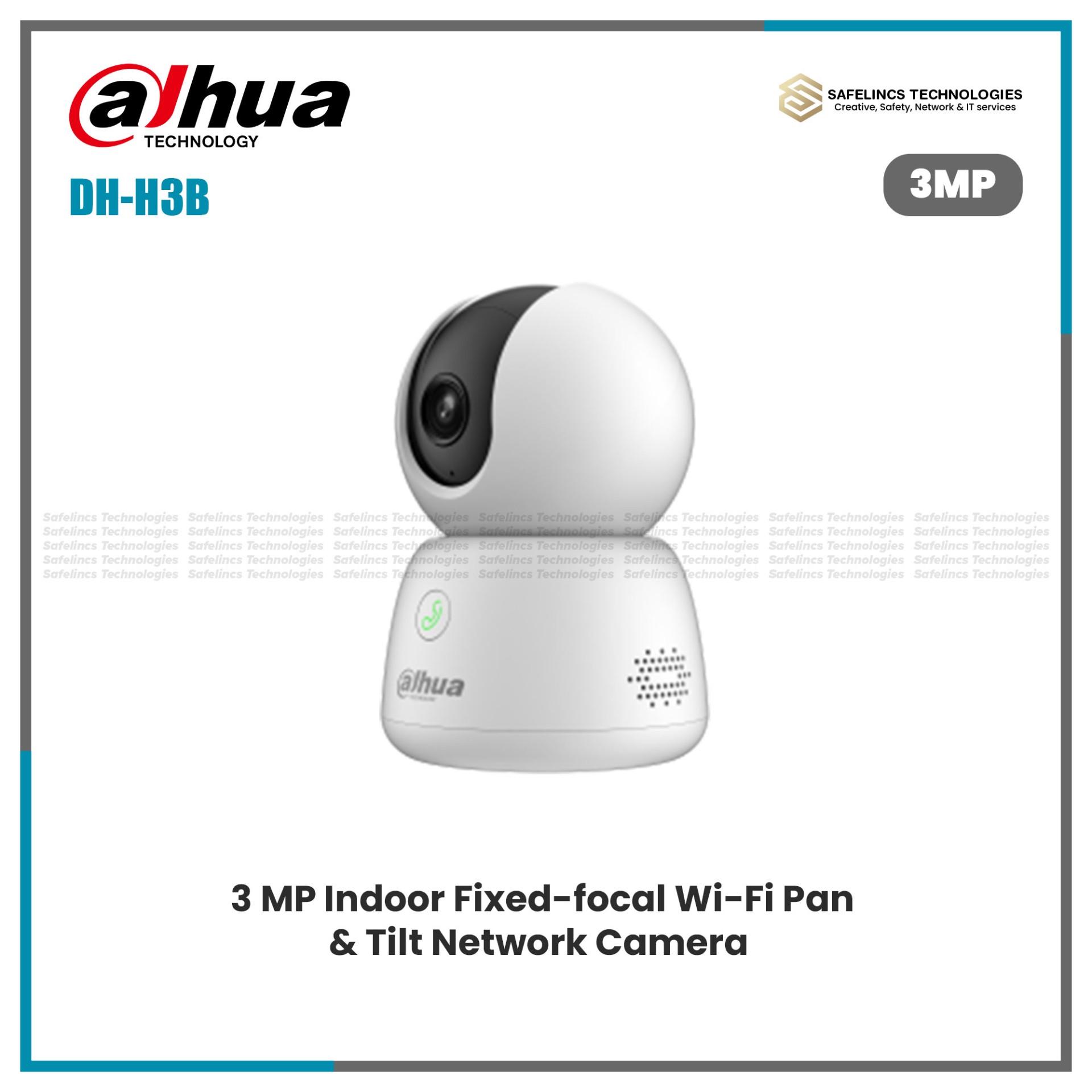
DH-H3B-Dahua Indoor Wireless CCTV Camera 3.0 MegapixelRs. 3,827
Rs. 4,160-8% OFF
Dahua 360 Degree Wifi Wireless CCTV Camera
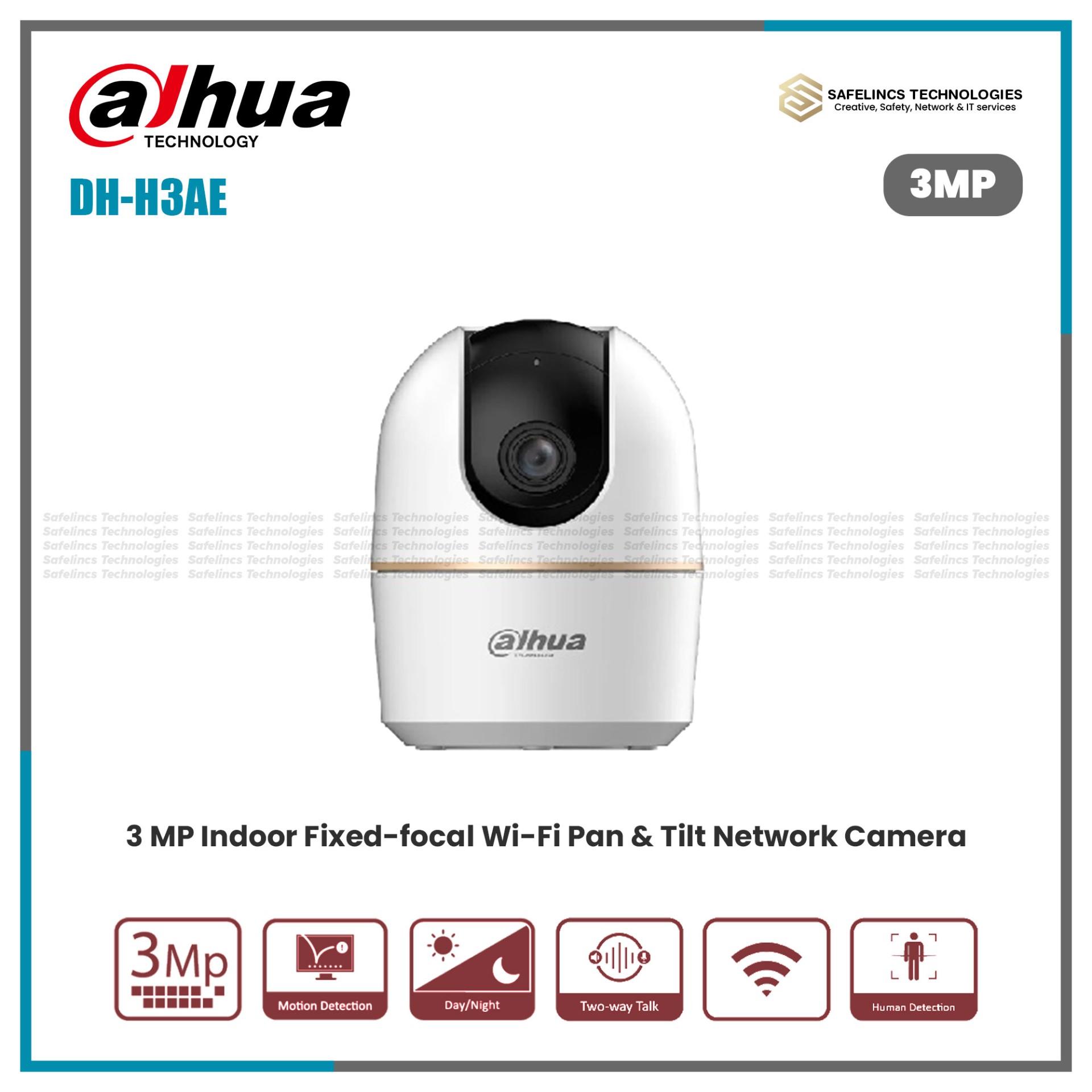
DH-H3AE- 3.0 Megapixel Dahua Wireless CCTV Cameras NepalRs. 4,300
Rs. 5,500-21% OFF
Dahua 360 Degree Wifi Wireless CCTV Camera
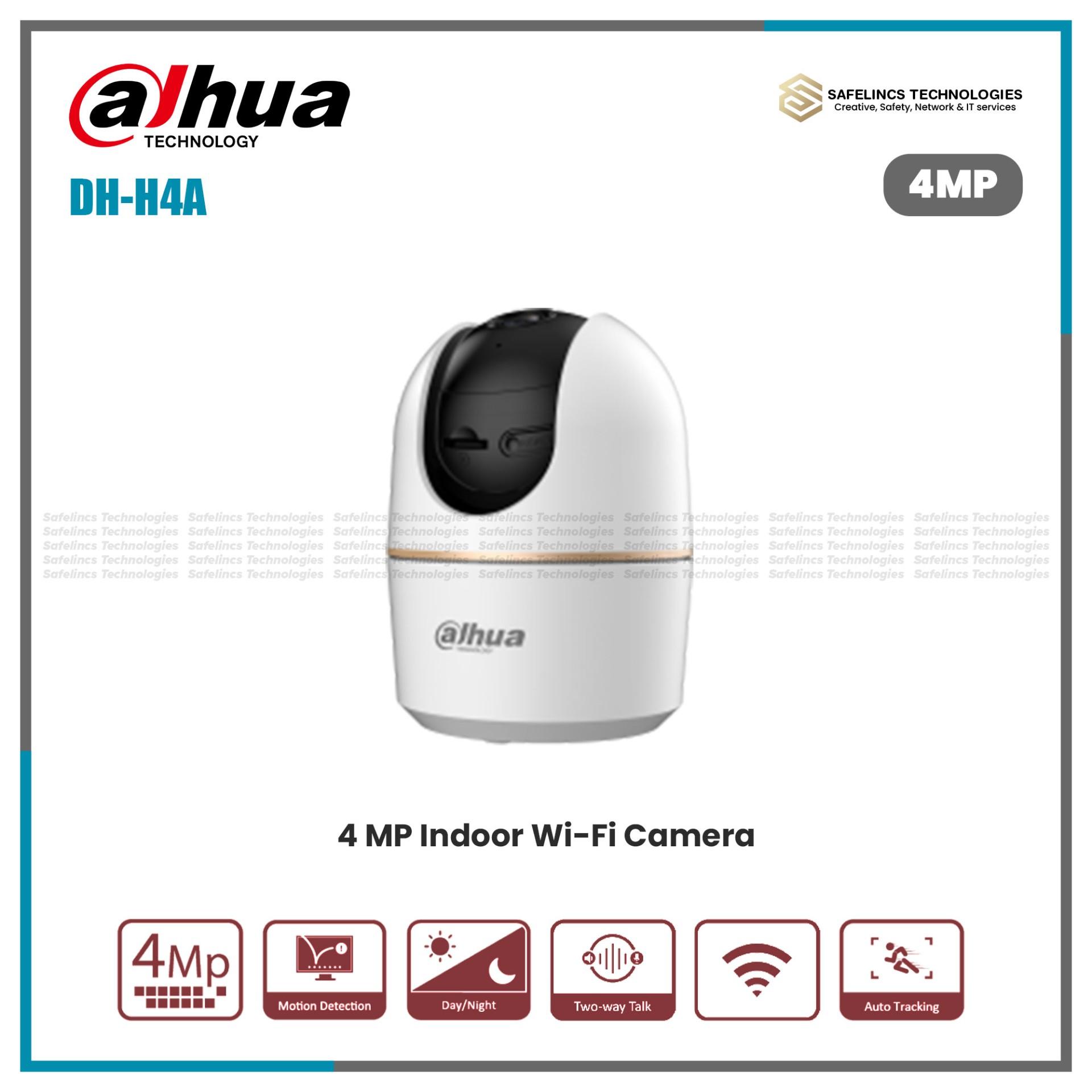
DH-H4A- Dahua Hero Wireless CCTV Camera.Rs. 7,040
Rs. 8,000-12% OFF
Dahua 360 Degree Wifi Wireless CCTV Camera
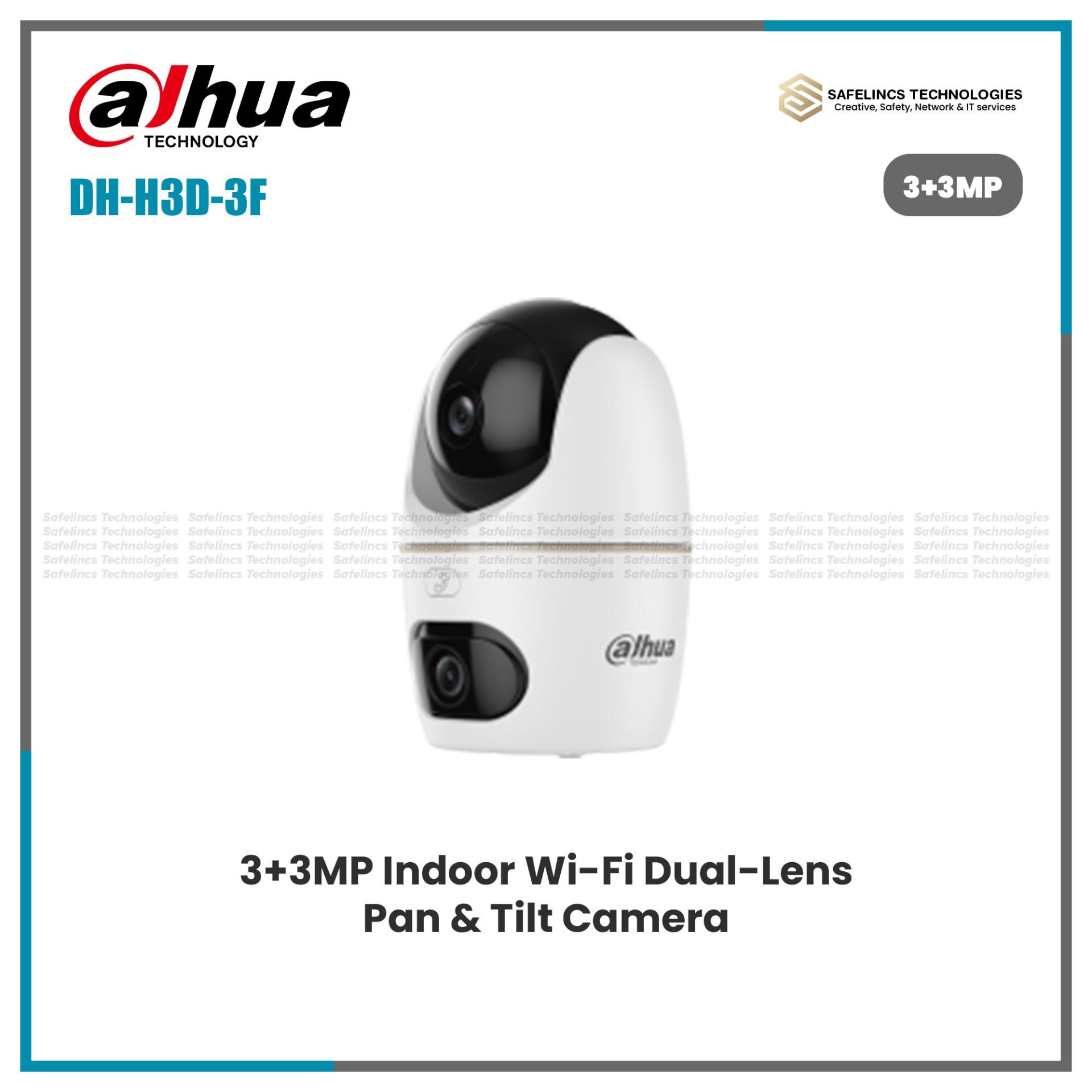
DH-H3D-3F-Dahua Dual Lens CCTV CameraRs. 7,126
Rs. 7,746-8% OFF
Dahua 360 Degree Wifi Wireless CCTV Camera
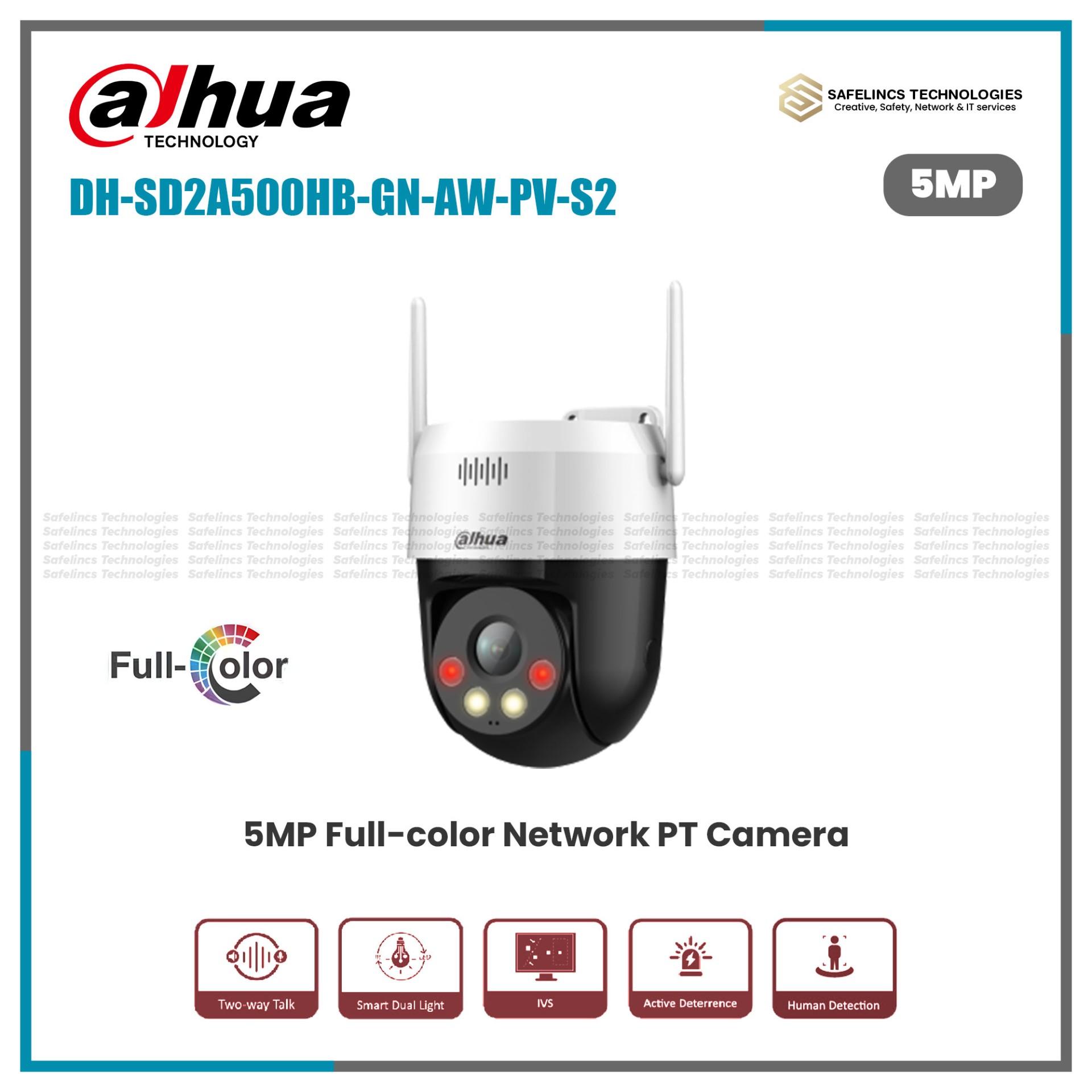
DH-SD2A500HB-GN-AW-PV-S2-Dahua PT CCTV Camera NepalRs. 8,440
Rs. 9,076-7% OFF
Dahua 360 Degree Wifi Wireless CCTV Camera
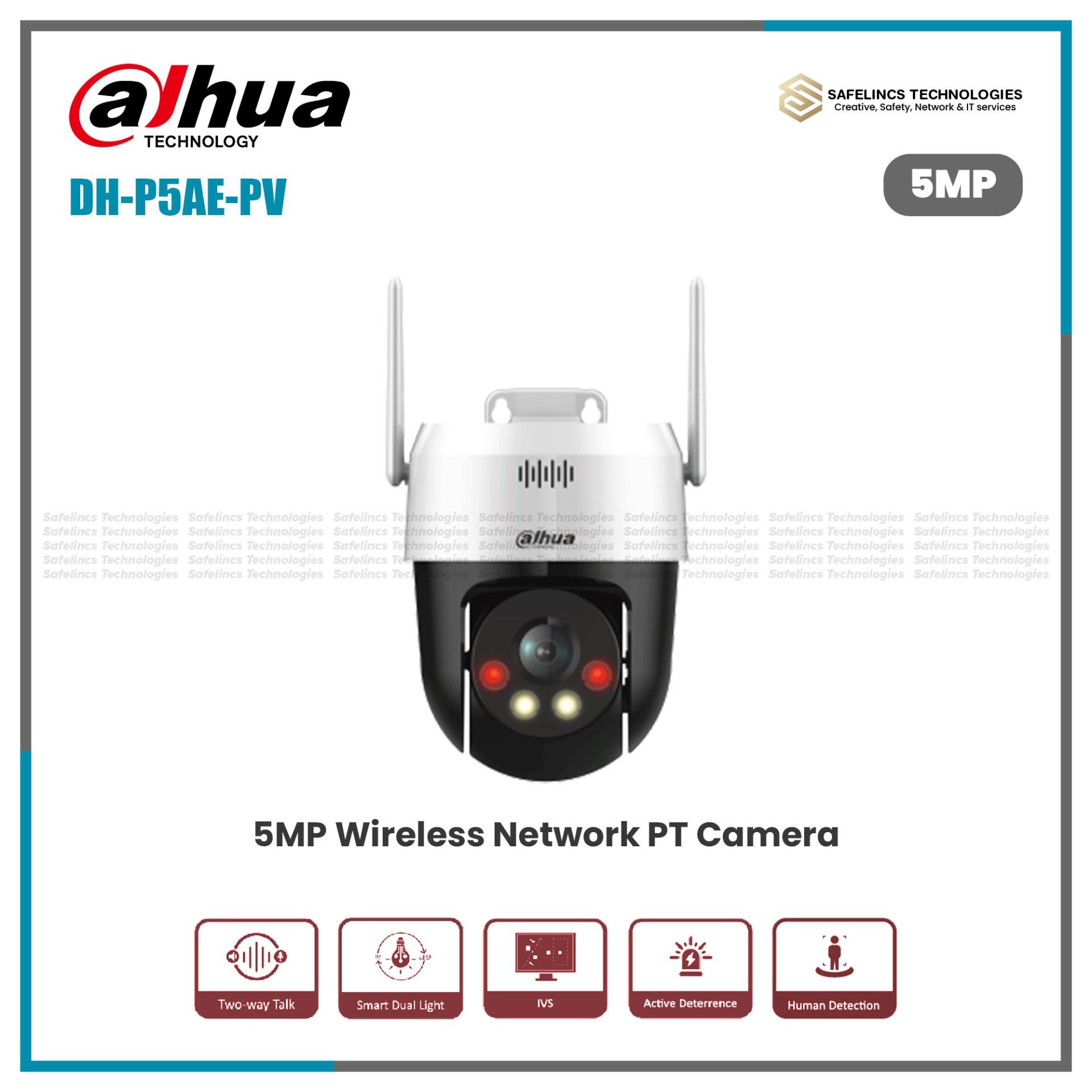
DH-P5AE-PV Dahua 5 Megapixel Wireless CCTV CameraRs. 7,918
Rs. 8,607-8% OFF
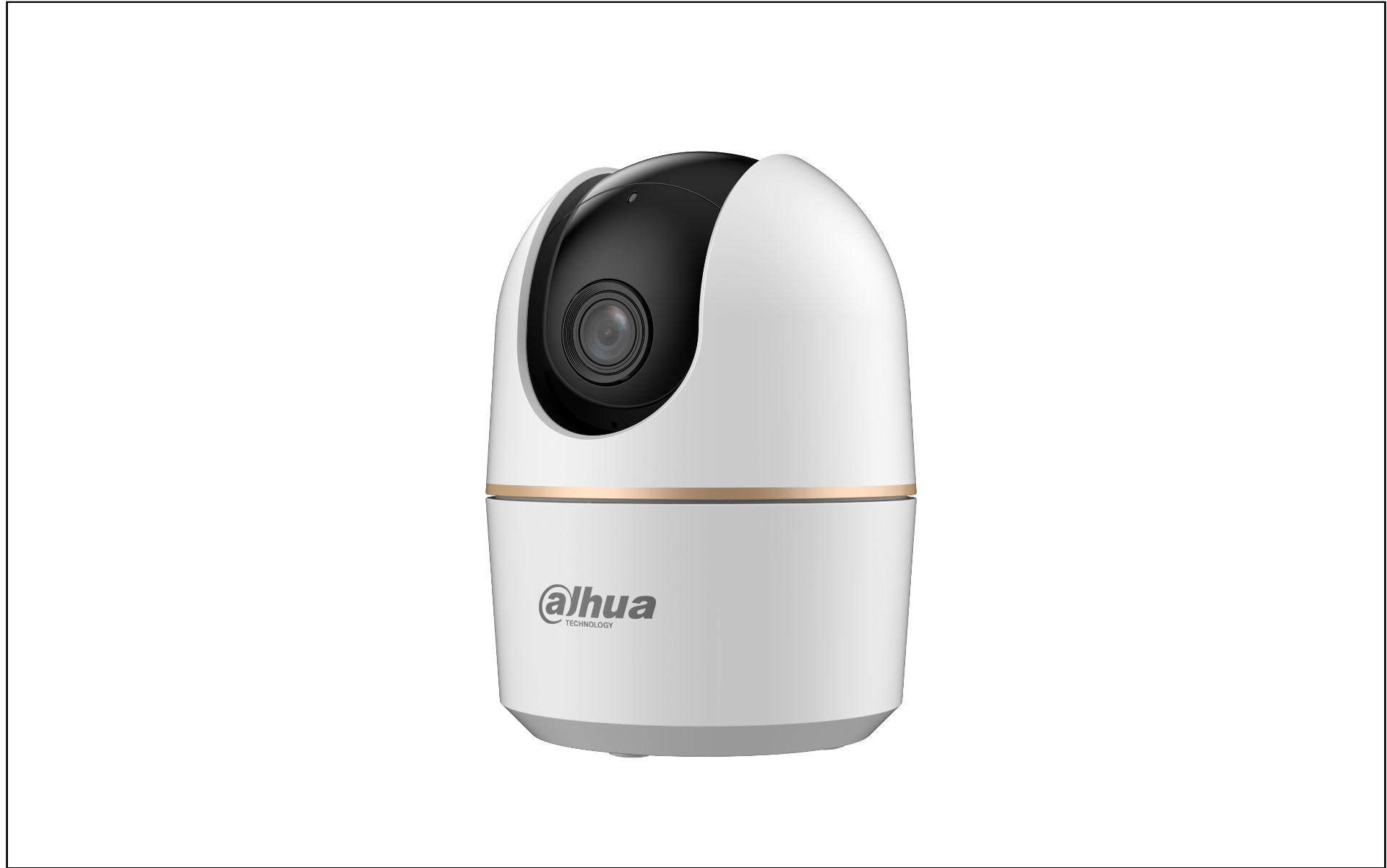
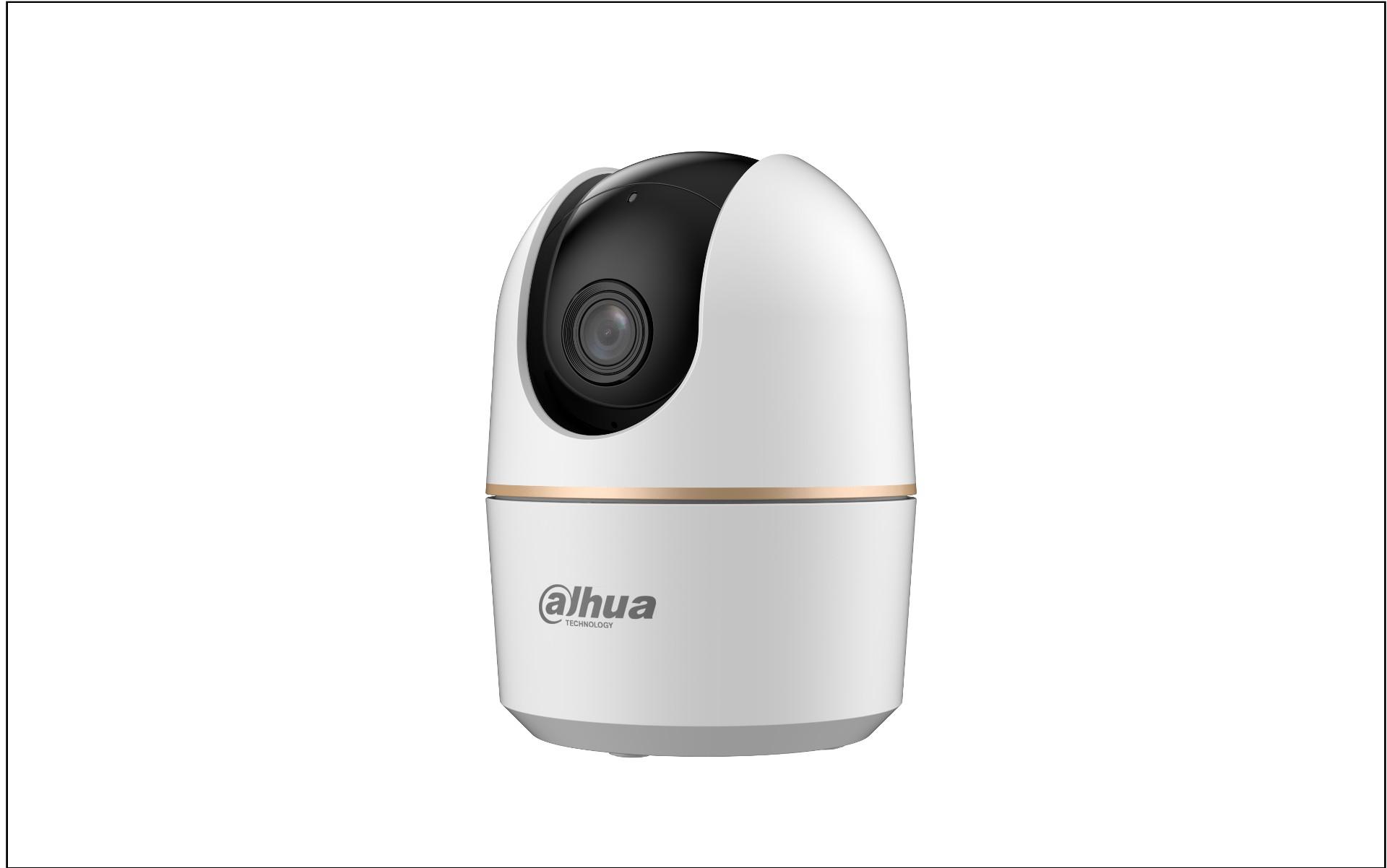
Dahua 360 Degree WiFi CCTV Cameras are intelligent network surveillance devices designed to provide flexible indoor monitoring through motorized pan-and-tilt mechanisms, high-resolution imaging, wireless network connectivity, and smart video detection. Unlike fixed-angle security cameras, Dahua pan-and-tilt cameras allow users to remotely adjust the viewing direction, monitor different sections of a room, and track supported moving targets.
At Safelincs Technologies, customers can explore Dahua 360 Degree WiFi Cameras in Nepal for residential surveillance, small businesses, offices, retail stores, reception areas, and other indoor environments. Available models include Dahua Hero-series cameras, 3MP and 4MP indoor wireless cameras, and dual-lens smart surveillance devices.
Depending on the camera model, features may include AI human detection, pet detection, automatic tracking, infrared night vision, two-way audio, H.265 compression, microSD card recording, and remote monitoring through the Dahua DMSS mobile application.
Customers can also explore the complete range of Dahua WiFi CCTV Cameras in Nepal, including indoor and outdoor wireless surveillance products.
Dahua 360 Degree WiFi Camera Price in Nepal
The price of a Dahua 360 Degree WiFi Camera in Nepal depends on the image resolution, lens configuration, motorized coverage, intelligent detection capabilities, recording features, and supported connectivity technologies.
Entry-level 3MP indoor WiFi cameras are designed for everyday room monitoring, while 4MP cameras provide additional image detail for applications requiring higher resolution. Dual-lens models offer a different surveillance architecture by combining fixed and motorized camera views.
The following products are available in Safelincs' Dahua wireless camera category.
Dahua Model | Camera Configuration | Resolution | Main Application |
DH-H3B | Indoor WiFi Pan & Tilt | 3MP | Residential and small business monitoring |
DH-H3AE | Indoor WiFi Pan & Tilt | 3MP | General indoor monitoring |
DH-H4A Hero | Indoor WiFi Pan & Tilt | 4MP | Higher-resolution indoor surveillance |
DH-H3D-3F | Indoor Dual-Lens WiFi Pan & Tilt | 3MP + 3MP | Simultaneous monitoring of two viewing directions |
The latest prices should be taken directly from the product listings because promotional discounts, inventory availability, and model configurations may change.
When comparing Dahua wireless CCTV camera prices in Nepal, buyers should evaluate the technical specifications rather than choosing solely by megapixel rating. A 3MP camera with appropriate detection functionality and placement may be more suitable for a small room than a higher-resolution camera installed in an unsuitable location.
Similarly, a dual-lens camera may provide better coverage for a retail shop with two important observation areas, even when its individual sensors have lower resolution than a single-lens alternative.
What Is a Dahua 360 Degree WiFi CCTV Camera?
A Dahua 360 Degree WiFi CCTV Camera is an IP-based surveillance device that integrates a digital imaging sensor, motorized pan-and-tilt mechanism, network communication interface, video processing hardware, and supported recording functions. The camera captures video through its image sensor, processes the data using an internal image signal processor, compresses the video stream, and transmits information through a compatible wireless or wired network interface.
Users can access supported functions through Dahua management software or the DMSS mobile application. The term 360-degree camera generally refers to the camera's ability to rotate horizontally across a broad area. It does not necessarily mean the camera can record every direction simultaneously.
For example, the Dahua H4A supports a horizontal pan adjustment of approximately 0°–355° and vertical tilt adjustment of approximately -5° to 80°. Its optical lens captures a particular field of view at any given position. By changing the lens direction, the camera can monitor different parts of the surrounding environment.
This makes motorized PT cameras suitable for locations where an operator wants to inspect multiple directions without installing a separate fixed camera for each viewpoint.
How Dahua Pan-and-Tilt Technology Works?
Pan-and-tilt surveillance technology uses an electronically controlled mechanical assembly to move the camera's viewing direction.
Pan movement rotates the camera horizontally, allowing monitoring toward the left, right, and other surrounding directions.
Tilt movement adjusts the camera vertically, allowing users to observe higher or lower portions of the monitored area.
The rotation is controlled through supported interfaces such as mobile applications, camera software, or automated tracking functions.
For cameras supporting preset positions, users may define specific viewing directions that can be recalled when needed. Models supporting preset patrol can move between configured positions according to supported operating rules. Motorized monitoring is especially useful in rooms with multiple entrances, counters, walkways, or storage areas.
However, while the camera is pointing toward one direction, activity outside its current optical field of view may not be recorded. Where uninterrupted observation of multiple locations is required, fixed cameras or dual-lens solutions may be more appropriate.
Popular Dahua 360 Degree WiFi CCTV Camera Models in Nepal
Dahua offers different indoor pan-and-tilt cameras with varying imaging resolutions, smart detection functions, and lens configurations. The most suitable model depends on the viewing area, level of image detail required, expected movement, network environment, and recording needs.
1. Dahua DH-H3B 3MP Indoor WiFi Pan & Tilt Camera
The Dahua DH-H3B 3MP Indoor Wireless CCTV Camera is designed for indoor monitoring through a combination of a 3MP CMOS imaging sensor, motorized rotation, infrared illumination, and intelligent detection. Its maximum image resolution is 2304 × 1296 pixels, providing greater image detail than standard 1080p video.
The camera supports approximately 0°–350° horizontal pan movement and -5° to 80° tilt adjustment, allowing users to adjust surveillance coverage across different parts of a room. For low-light operation, the H3B includes infrared illumination with a specified range of up to 10 meters under suitable conditions. Its day/night processing supports automatic switching between daytime color imaging and infrared-assisted nighttime monitoring.
The H3B also supports H.265 compression, human detection, motion detection, microSD storage up to 256GB, and remote monitoring through DMSS.
Its listed networking interfaces include 2.4GHz wireless connectivity and a 10/100Mbps RJ-45 Ethernet interface. The product specification also identifies a 5V DC power requirement. This model is suitable for bedrooms, living rooms, office cabins, small retail shops, and indoor locations where compact, adjustable surveillance coverage is needed.
2. Dahua DH-H3AE 3MP Wireless CCTV Camera
The Dahua DH-H3AE Wireless CCTV Camera is listed in Safelincs' indoor Dahua camera range as a 3MP wireless surveillance option. The H3AE category positioning makes it relevant for users seeking an indoor pan-and-tilt camera with remote monitoring and intelligent detection capabilities. Its product information describes functions such as human detection, motorized monitoring, day/night operation, mobile connectivity, and local recording.
The exact model variant and resolution should be confirmed before purchase because individual product identifiers and technical configurations can differ. For residential applications, a 3MP camera can provide useful room-level monitoring when the lens, mounting height, lighting conditions, and subject distance are appropriate.
For commercial environments, buyers should additionally evaluate whether the camera supports the required recording schedule, remote access permissions, and storage retention period.
3. Dahua DH-H4A Hero 4MP WiFi CCTV Camera
The Dahua DH-H4A Hero Wireless CCTV Camera is a 4MP indoor pan-and-tilt network camera designed for high-resolution residential and small-business surveillance. The device supports a maximum image resolution of 2560 × 1440 pixels, providing approximately 3.69 million recorded pixels per frame. Its pan adjustment range is approximately 0°–355°, with tilt movement from -5° to 80°.
The H4A includes infrared illumination with a specified range of up to 15 meters, depending on environmental conditions. It also supports H.265 video compression, local microSD card storage up to 256GB, a built-in microphone and speaker, and DMSS mobile monitoring.
The listed model supports 2.4GHz WiFi and an RJ-45 network interface, allowing connectivity through compatible network infrastructure. The 4MP sensor can be useful when the surveillance area requires additional image detail, such as monitoring a retail counter, reception desk, office entrance, or indoor customer service area.
However, higher resolution does not automatically guarantee better night vision or identification performance. Lens characteristics, image processing, lighting, distance, and recording bitrate also influence image quality.
4. Dahua DH-H3D-3F Dual-Lens WiFi Pan & Tilt Camera
The Dahua DH-H3D-3F Dual-Lens CCTV Camera uses a different surveillance configuration from conventional single-lens indoor PT cameras. It combines two 3MP camera channels in one physical device: a fixed-direction lens and a motorized pan-and-tilt lens. The fixed lens maintains visibility toward a designated area, while the PT lens can be redirected to monitor movement or inspect another section of the room. This architecture helps reduce the limitations of single-lens cameras that must rotate away from one area to observe another.
The H3D-3F provides a maximum resolution of 2304 × 1296 pixels for each listed 3MP imaging channel. Its motorized lens supports approximately 0°–349° pan movement and -5° to 90° tilt adjustment. The model also supports human and pet detection, H.265 compression, infrared illumination, two-way audio, and microSD storage up to 256GB. Its wireless specifications include supported 2.4GHz and 5GHz network connections, subject to regional and device configuration.
The H3D-3F is particularly relevant for retail shops, restaurants, small offices, and reception areas where monitoring two viewpoints simultaneously is preferable to relying on a single rotating lens.
Key Technical Features of Dahua 360 Degree WiFi Cameras
1. High-Resolution 3MP and 4MP Video Imaging
Image resolution determines the number of pixels used to represent each video frame. Common Dahua indoor WiFi camera configurations include 3MP and 4MP sensors. A 3MP camera with 2304 × 1296 resolution captures approximately 2.99 million pixels per frame, while a 4MP camera using 2560 × 1440 captures approximately 3.69 million pixels. Higher resolution can provide additional image detail when the camera's optics, scene illumination, image processing, and recording settings are suitable.
However, image resolution should be evaluated alongside lens focal length and horizontal field of view. A wide-angle lens can cover more of a room, but objects at a distance may occupy fewer pixels in the resulting image. A narrower lens may capture greater detail of a smaller area.
For installations requiring reliable identification at a particular distance, camera selection should consider the pixel density across the target area rather than relying only on megapixel specifications.
2. Motorized Pan-and-Tilt Monitoring
Motorized pan-and-tilt functionality allows remote adjustment of camera direction without physically repositioning the installed device. This can improve observation flexibility in environments where users need to view different areas periodically.
For example, a camera mounted in the corner of a small retail shop may be directed toward the entrance, cashier counter, or product shelves.
When supported, preset positions allow users to save frequently monitored directions. Preset patrol functions can automate movement between selected viewpoints. The precise rotation range, tracking speed, preset functions, and control behavior vary by camera model.
For continuous monitoring of multiple viewpoints, a multi-camera or dual-lens setup may be more suitable than a single rotating camera.
3. AI Human Detection and Motion Classification
Basic motion detection identifies changes between video frames, which can include movement caused by people, animals, lighting changes, or other environmental factors. AI-based human detection uses image-analysis algorithms to identify objects resembling people within the monitored scene. Compared with general pixel-based motion detection, human classification can help reduce unnecessary alerts in certain environments.
Some Dahua indoor wireless models also support pet detection, allowing the camera to identify supported animal categories. Detection performance depends on target size, camera angle, lighting conditions, obstruction, model capabilities, and algorithm configuration.
AI detection should therefore be treated as a monitoring aid rather than a guarantee that every event will be detected correctly.
4. Automatic Tracking of Moving Targets
Auto tracking is a motorized surveillance function that allows supported cameras to follow certain detected moving objects. When the camera identifies an eligible target, it can adjust the pan-and-tilt mechanism to keep the subject within the captured view. This function may be useful for observing people moving through an entrance, customer area, or indoor walkway.
However, tracking performance depends on movement speed, distance, available lighting, obstructions, and the camera's mechanical limits. If the tracked subject moves behind furniture, leaves the monitored area, or exceeds the camera's supported tracking parameters, continuous observation may be interrupted.
Users should verify that the selected Dahua model supports the required tracking function rather than assuming that every PT camera includes it.
5. Infrared Night Vision and Day/Night Imaging
Infrared night vision enables supported cameras to capture images under low-light conditions using infrared illumination. A typical infrared-enabled camera includes IR LEDs, an imaging sensor sensitive to the appropriate wavelengths, and an infrared-cut filter mechanism for switching between day and night operation.
During daytime monitoring, the camera generally produces color video under suitable lighting. At night, it may switch to infrared-assisted monochrome recording to improve visibility when ambient light is insufficient.
The Dahua H3B and H4A list infrared illumination distances of up to 10 meters and 15 meters respectively. These values indicate specified illumination capabilities under particular conditions, not guaranteed identification distances.
Actual nighttime image quality depends on lighting, reflections, subject distance, lens characteristics, and the surrounding environment.
6. Two-Way Audio Communication
Supported Dahua indoor cameras include built-in microphones and speakers for bidirectional audio communication. This enables users to hear audio from the monitored area and transmit speech through the camera using compatible mobile software. Two-way audio can be useful for communicating with family members, staff, or visitors in appropriate monitored locations.
Audio performance depends on microphone sensitivity, speaker output, network quality, background noise, and device placement. Organizations should also consider applicable privacy and consent requirements before enabling audio recording or monitoring.
7. H.265 Video Compression
H.265, also known as High Efficiency Video Coding (HEVC), is a video compression standard designed to encode video efficiently. Compared with older compression methods, H.265 can reduce the bitrate needed for similar visual quality under many operating conditions.
For CCTV installations, this can reduce storage consumption and network bandwidth requirements. The actual reduction depends on scene complexity, motion, resolution, frame rate, image quality settings, and the camera's encoder implementation. A scene with frequent movement or complex visual details may require more bitrate than a static indoor scene.
Buyers should confirm that their recording and playback devices support the selected compression format.
8. Local MicroSD Card Storage
Many Dahua indoor WiFi cameras support recording directly to a compatible microSD card. This provides an alternative to using a dedicated recording server or NVR for smaller installations.
For example, the listed H3B, H4A, and H3D-3F models support microSD storage capacities of up to 256GB. The available recording duration depends on configured bitrate, recording schedule, stream resolution, audio settings, and whether recording is continuous or event-triggered.
For example, a video stream averaging 2Mbps consumes approximately 21.6GB over 24 hours before accounting for file-system overhead and additional streams. Actual storage usage varies according to the camera configuration. Surveillance-grade or high-endurance memory cards are preferable for frequent video writing, provided they meet the camera manufacturer's compatibility requirements.
For properties requiring centralized recording, greater storage capacity, or multiple-camera management, users can explore Dahua Network Video Recorders in Nepal. Camera-to-NVR compatibility should be confirmed before purchase.
9. DMSS Mobile App and Remote Monitoring
DMSS is Dahua's mobile surveillance management platform for compatible security devices. Through the application, users can access supported camera functions such as live video viewing, playback, device configuration, event notifications, and PT controls.
Remote monitoring normally requires the camera to have a working network connection with suitable internet access and completed device configuration. Local recording may continue without internet connectivity if the camera is powered, configured correctly, and has functional local storage.
However, remote viewing and cloud-dependent functions can become unavailable when the internet connection is interrupted. Users should protect their DMSS accounts with strong credentials and available security controls, keep device firmware updated, and avoid sharing unrestricted access unnecessarily.
10. WiFi Connectivity and Network Requirements
Wireless CCTV cameras require adequate network coverage and stable communication to transmit video reliably. Many Dahua indoor WiFi models support 2.4GHz wireless connectivity. Some models, including the listed H3D-3F configuration, support both 2.4GHz and 5GHz wireless bands.
The 2.4GHz band generally provides better penetration through some building materials, while 5GHz can offer greater available bandwidth under suitable conditions but may have shorter practical coverage. Actual performance is influenced by building construction, wireless interference, connected devices, router placement, and configured network channels. Although WiFi cameras transmit data wirelessly, most indoor Dahua models still require a wired power connection.
For larger properties or locations with weak coverage, additional wireless networking equipment and access points may be needed to improve the network design.
Technical Specifications to Compare Before Buying
Selecting an appropriate Dahua indoor camera requires reviewing the complete technical specification rather than relying exclusively on the camera resolution or product name.
Technical Parameter | What to Evaluate |
Image sensor | Sensor type, resolution and low-light capability |
Video resolution | Recorded pixel dimensions and required level of detail |
Lens focal length | Viewing angle and subject coverage |
Pan/tilt range | Supported horizontal and vertical movement |
Frame rate | Motion smoothness and recording requirements |
Video compression | H.264/H.265 compatibility and bitrate |
Night vision | IR illumination capability and lighting conditions |
AI detection | Supported human, pet and motion classification |
Auto tracking | Supported targets and motorized tracking capabilities |
Audio | Microphone, speaker and communication features |
Connectivity | Supported WiFi bands and Ethernet interfaces |
Storage | microSD capacity and compatible NVR options |
Power | Input voltage, adapter rating and power availability |
Environment | Indoor suitability, temperature and humidity limits |
Mobile management | DMSS support and remote access configuration |
The technical specifications should be verified against the exact model and hardware revision before ordering.
Applications of Dahua 360 Degree WiFi CCTV Cameras
1. Residential Home and Apartment Surveillance
Dahua indoor WiFi cameras are suitable for monitoring selected residential spaces such as living rooms, entrances, hallways, and common areas. A pan-and-tilt camera can be installed at an appropriate elevated position to improve visibility across different sections of a room.
For example, in a living room with multiple entrances, users can remotely adjust the viewing direction to inspect the doorway or another area without physically repositioning the camera.
When configured appropriately, motion alerts can notify the user of detected activity. However, placement should account for furniture, walls, reflective surfaces, and other obstacles that may obstruct the image. For bedrooms and other private spaces, users should carefully manage recording permissions and privacy settings.
2. Retail Shops and Small Commercial Businesses
Retail environments often require surveillance of entrances, customer movement areas, billing counters, and merchandise displays. A Dahua 360 Degree WiFi Camera can provide adjustable observation of different parts of a small shop.
For instance, a camera positioned near the ceiling may allow an authorized user to inspect the entrance and selected shelves through PT controls. Intelligent human detection may help identify relevant movement events, while local recording can support later review of captured footage.
However, a single rotating camera is not a replacement for continuous coverage of multiple critical areas. Retail shops requiring uninterrupted recording of entrances and payment counters should evaluate additional fixed cameras or dual-lens surveillance solutions.
For larger installations, Safelincs also offers CCTV camera packages for homes and offices.
3. Corporate Offices and Reception Areas
Offices can use indoor WiFi cameras for monitoring entrances, reception spaces, meeting room access points, and designated shared areas. Motorized cameras may be appropriate where occasional remote inspection of multiple viewing directions is useful.
For example, a reception-area camera could be positioned to observe visitor entry and the waiting area, subject to camera field of view and mounting constraints.
Two-way audio may assist communication in suitable environments. Businesses should establish clear policies defining authorized access to live video, recording retention, camera placement, and employee privacy. For multi-floor or larger office environments, wired IP surveillance infrastructure may provide more consistent performance than relying entirely on wireless cameras.
4. Indoor Storage Rooms and Inventory Areas
Small storage rooms may require surveillance for monitoring access and reviewing inventory-related events. A Dahua PT camera can observe different storage shelves or access points when the layout allows sufficient visibility. Intelligent motion detection may help highlight events involving movement within the monitored space.
However, shelving units, partitions, stacked boxes, and narrow aisles can create significant blind spots. For warehouses and larger storage facilities, multiple fixed cameras with overlapping viewing angles are generally more suitable for continuous coverage.
5. Restaurants, Cafés and Hospitality Reception Areas
Restaurants and cafés often need visibility of selected public and operational spaces, such as entrances, reception counters, and customer service zones. A Dahua dual-lens camera can be useful where one fixed viewpoint is needed while a motorized lens observes another location.
For example, one lens may remain directed toward the entrance while the other monitors an adjacent service area. Camera installation should respect the privacy of customers and staff, avoiding inappropriate placement in sensitive areas.
For larger hospitality properties, camera selection should form part of a broader security design involving suitable network connectivity, storage, access permissions, and maintenance procedures.
Dahua 360 Degree WiFi Cameras vs Fixed CCTV Cameras
Both pan-and-tilt and fixed surveillance cameras have advantages depending on the monitoring objectives.
Comparison | Dahua Pan & Tilt WiFi Camera | Fixed CCTV Camera |
Viewing direction | Adjustable using motorized controls | Remains fixed after installation |
Monitoring coverage | Can inspect different directions | Continuously observes a designated direction |
Moving target tracking | Available on supported models | Usually requires compatible analytics without mechanical tracking |
Connectivity | Commonly WiFi, sometimes Ethernet | Wired or wireless depending on model |
Installation | Requires suitable power and network connectivity | Depends on camera architecture |
Best application | Flexible indoor observation | Continuous monitoring of a critical viewpoint |
Limitation | Activity outside current field of view may be missed | Limited to the configured field of view |
A Dahua 360-degree wireless camera can be a practical choice when flexible room monitoring is more important than uninterrupted recording of every direction. However, fixed cameras may be better for entrances, billing counters, and other locations requiring continuous recording.
For buyers comparing different surveillance architectures, Safelincs provides a broader selection of CCTV surveillance cameras and systems in Nepal.
How to Choose the Right Dahua 360 Degree WiFi Camera in Nepal
1. Determine the Surveillance Area
Start by evaluating the physical dimensions of the area, the number of entrances, available mounting positions, and objects that may obstruct visibility. A compact room may be adequately monitored by one well-positioned PT camera, while a larger room with partitions may require multiple cameras. Ceiling and wall mounting positions should be selected according to the manufacturer's installation recommendations.
2. Select an Appropriate Camera Resolution
A 3MP camera may provide adequate detail for general indoor monitoring at shorter distances. A 4MP or higher-resolution camera may be beneficial when additional image detail is required, provided the installation conditions support that advantage. Resolution should be assessed alongside lens characteristics, subject distance, field of view, and expected lighting.
3. Evaluate Smart Detection Requirements
Users looking for event notifications should determine whether basic motion detection is sufficient or whether human detection and automatic tracking are required. Smart detection features may help prioritize useful alerts, but their effectiveness depends on configuration and environmental conditions. Not every Dahua 360 camera supports identical AI features.
4. Consider Recording and Storage
For a single indoor camera, local microSD recording may be suitable. For businesses requiring longer recording retention, centralized playback, or multi-camera operation, an NVR-based system may be more appropriate. Storage planning should account for bitrate, resolution, frame rate, retention requirements, and redundancy expectations.
5. Check Wireless Coverage and Power Availability
Confirm that the selected mounting location has reliable wireless connectivity and access to the required power supply. WiFi signal strength should be tested at the actual mounting position rather than assumed from nearby smartphone connectivity. In larger installations, network design may require suitable routers, wireless access points, or wired alternatives.
6. Compare the Total Cost of Ownership
The purchase price is only one part of the surveillance system cost. Buyers should also consider memory cards, power accessories, installation charges, internet and network requirements, replacement components, and ongoing maintenance. Selecting a suitable model at the beginning can reduce the need for unnecessary upgrades.
Dahua WiFi Camera Installation and Configuration
Installing a Dahua indoor WiFi camera typically involves selecting an appropriate mounting location, connecting the specified power adapter, joining the camera to a compatible network, and configuring the device through supported software.
1. Camera Mounting and Placement
The camera should be positioned on a stable surface or mounted using the appropriate hardware. Avoid placing the lens directly opposite strong light sources, highly reflective surfaces, or obstructions that interfere with the viewing area. The camera should remain within its specified operating temperature and humidity limits. Indoor models must not be exposed to rain, water, or outdoor environmental conditions unless their exact enclosure specifications permit such installation.
2. WiFi Network Configuration
Connect the camera to the supported wireless network according to the product setup instructions. Ensure that the router operates on the wireless band supported by the model. For instance, a camera supporting only 2.4GHz WiFi must connect to a compatible 2.4GHz network. After configuration, verify that the camera maintains a reliable connection at the intended installation point.
3. DMSS Application Configuration
Install the official Dahua DMSS application on a supported smartphone and follow the device enrollment instructions. Complete account verification and security settings, then test live viewing, PT movement, event notifications, and recording playback. Available menus and setup steps may differ according to the device model and software version.
4. Storage and Recording Configuration
If the camera supports local recording, install a compatible microSD card and initialize it through the supported camera interface. Configure continuous recording or event-based recording according to the required monitoring purpose. Review saved footage to confirm that recording and playback operate correctly.
5. Firmware and Security Maintenance
Use strong account credentials, restrict device sharing, and install verified firmware updates from authorized sources. Where supported, enable additional account security features. Periodically review recording health, storage status, device connectivity, and notification settings.
For businesses requiring a complete surveillance deployment, professional installation and testing can help ensure suitable camera placement, network integration, and reliable system operation.
Buy Dahua 360 Degree WiFi CCTV Cameras in Nepal from Safelincs Technologies
Safelincs Technologies supplies Dahua wireless CCTV cameras for different indoor and outdoor surveillance requirements. Customers can compare Dahua 3MP indoor PT cameras, 4MP Hero-series devices, dual-lens configurations, and additional wireless surveillance products through the website. For larger monitoring systems, Safelincs also provides related CCTV equipment, recording devices, networking products, and accessories.
Explore the Dahua 360 Degree WiFi CCTV Camera collection to compare available models and product prices. If your installation requires weather-resistant cameras for gates, parking spaces, building exteriors, or open compounds, view the separate Dahua Outdoor WiFi CCTV Camera collection.
Choosing the appropriate Dahua camera should begin with an assessment of the area to be monitored, required resolution, network reliability, recording needs, and available budget.
Safelincs Technologies provides Dahua CCTV camera options in Nepal to help customers evaluate products according to these requirements.
Frequently Asked Questions
1. What is the price of a Dahua 360 Degree WiFi Camera in Nepal?
The price of a Dahua 360 Degree WiFi Camera in Nepal varies depending on resolution, model, and smart features. Visit Safelincs Technologies for the latest prices and available models.
2. Which Dahua 360 Degree WiFi Camera is best for home security?
The Dahua H3B 3MP is suitable for general home surveillance, while the H4A 4MP offers higher image resolution. The H3D-3F dual-lens model is useful when two viewing directions need simultaneous monitoring.
3. Does a Dahua 360 Degree WiFi Camera provide full 360-degree surveillance?
Dahua 360-degree WiFi cameras use motorized pan-and-tilt technology to monitor different directions. However, most models cannot capture a complete 360-degree view simultaneously.
4. Can a Dahua WiFi CCTV Camera work without an internet connection?
Yes, supported Dahua WiFi cameras can continue recording locally to a microSD card without internet access. However, remote viewing through DMSS and internet-dependent notifications require an active connection.
5. How can I connect a Dahua 360 Degree WiFi Camera to my mobile phone?
Install the Dahua DMSS application, connect the camera to a compatible WiFi network, and follow the device pairing instructions. Once configured, you can access live video, playback, and supported camera controls remotely.
6. Do Dahua 360 Degree WiFi Cameras support night vision?
Yes, Dahua indoor WiFi cameras commonly include infrared night vision for monitoring in low-light environments. For example, the H3B offers up to 10 meters of specified IR illumination, while the H4A supports up to 15 meters.
7. Can Dahua WiFi Cameras record video without an NVR?
Yes, compatible Dahua WiFi cameras support microSD card recording without requiring a separate Network Video Recorder. Models such as the H3B, H4A, and H3D-3F support microSD storage capacities of up to 256GB.
8. What is the difference between Dahua 3MP and 4MP WiFi CCTV Cameras?
A 3MP Dahua camera typically records at 2304 × 1296 resolution, while a 4MP model such as the H4A records at 2560 × 1440. The higher resolution provides additional image detail under suitable lighting and recording conditions.
9. Do Dahua 360 Degree WiFi Cameras support automatic motion tracking?
Some Dahua 360-degree WiFi cameras support automatic tracking of detected movement using intelligent detection and motorized rotation. Feature availability and tracking performance depend on the specific model.
10. Can a Dahua indoor WiFi Camera be installed outdoors?
Dahua indoor WiFi cameras are not designed for direct exposure to rain, dust, or harsh outdoor conditions unless specifically rated for such environments.
11. What is the difference between a Dahua single-lens and dual-lens WiFi Camera?
A single-lens camera monitors one viewing direction at a time, while a dual-lens camera can monitor two perspectives simultaneously. The Dahua H3D-3F combines a fixed lens and a motorized pan-and-tilt lens for wider monitoring flexibility.
12. Where can I buy Dahua 360 Degree WiFi CCTV Cameras in Nepal?
You can buy Dahua 360 Degree WiFi CCTV Cameras from Safelincs Technologies. Explore the available 3MP, 4MP, and dual-lens models, compare specifications, and check current product prices through its website.