
Managed Network Switches
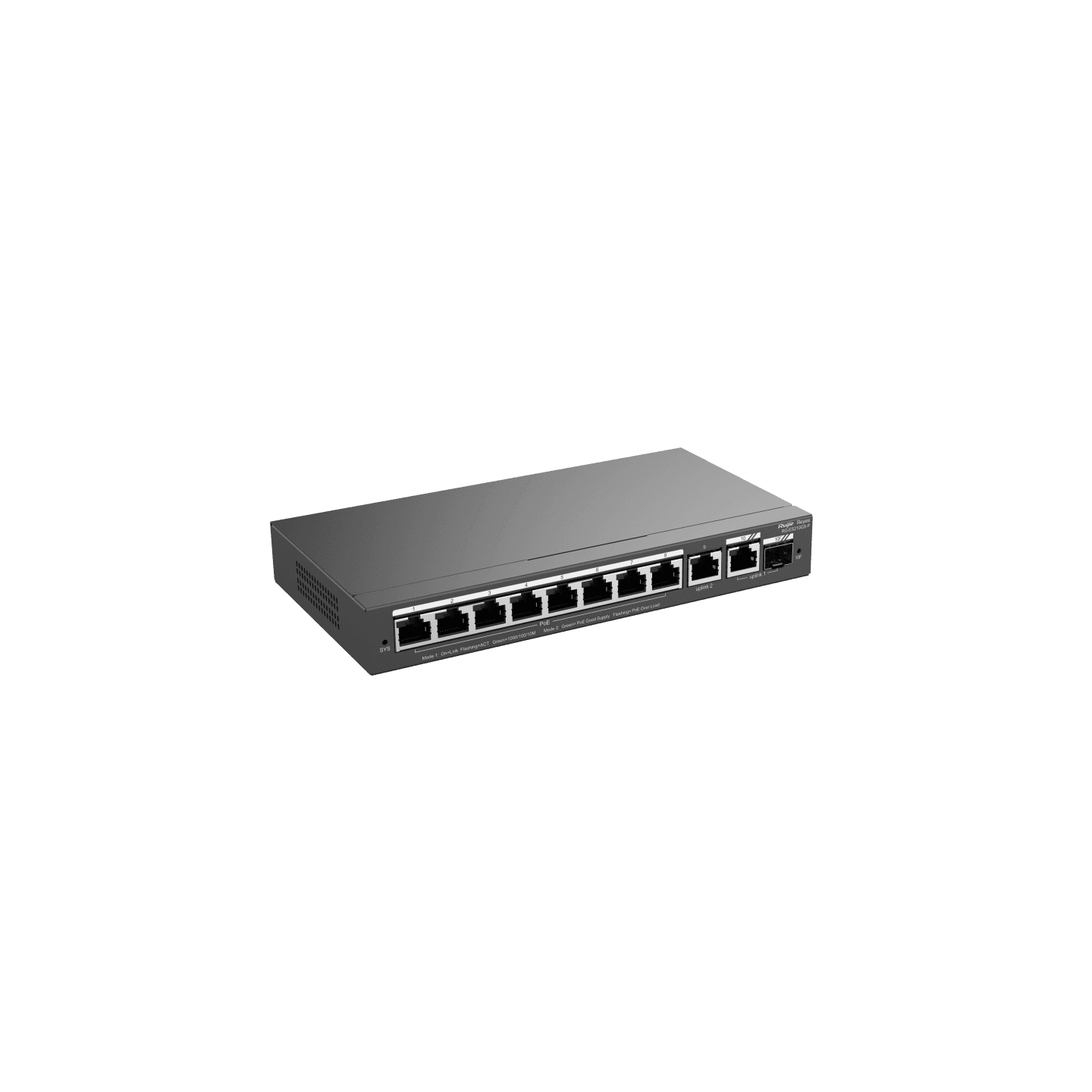
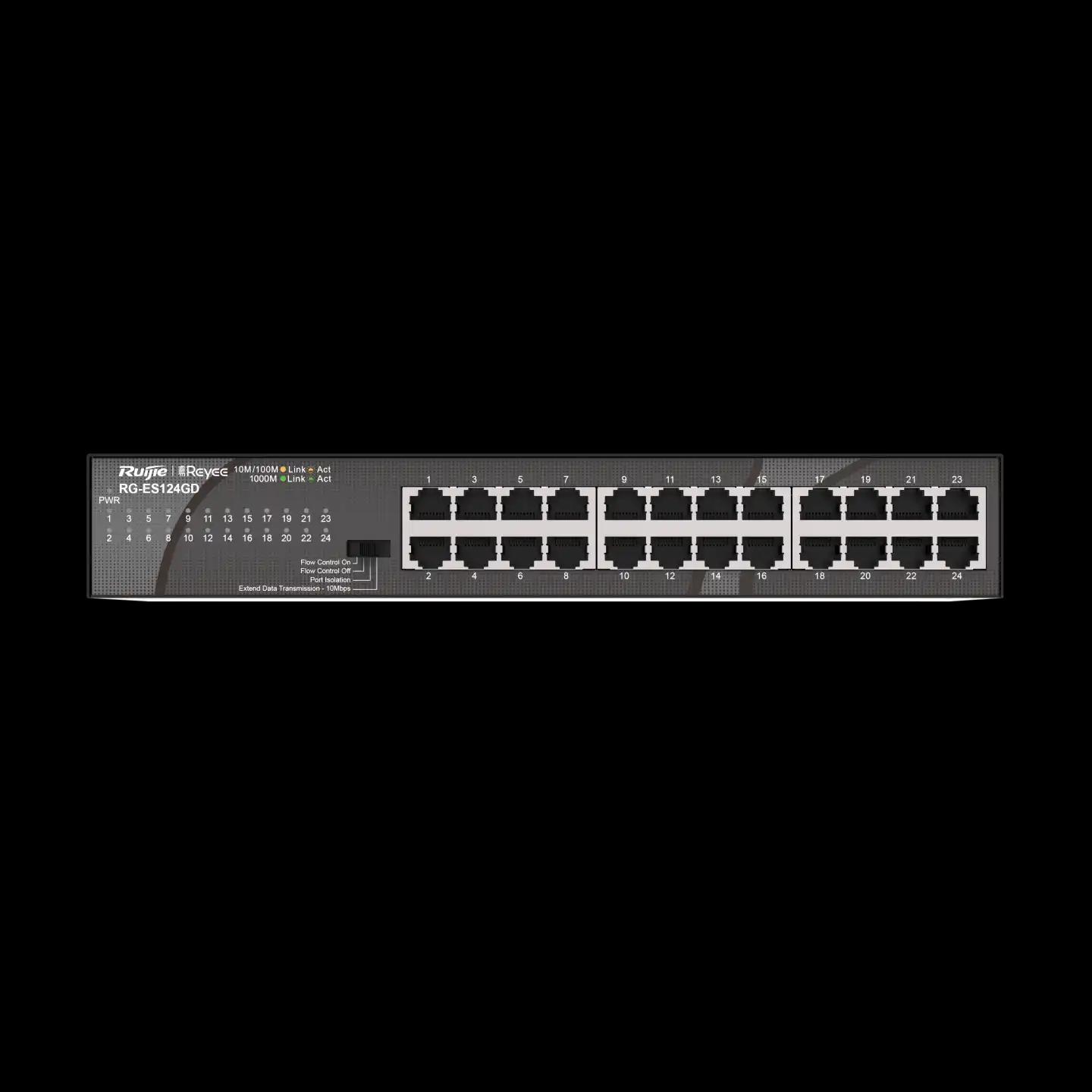
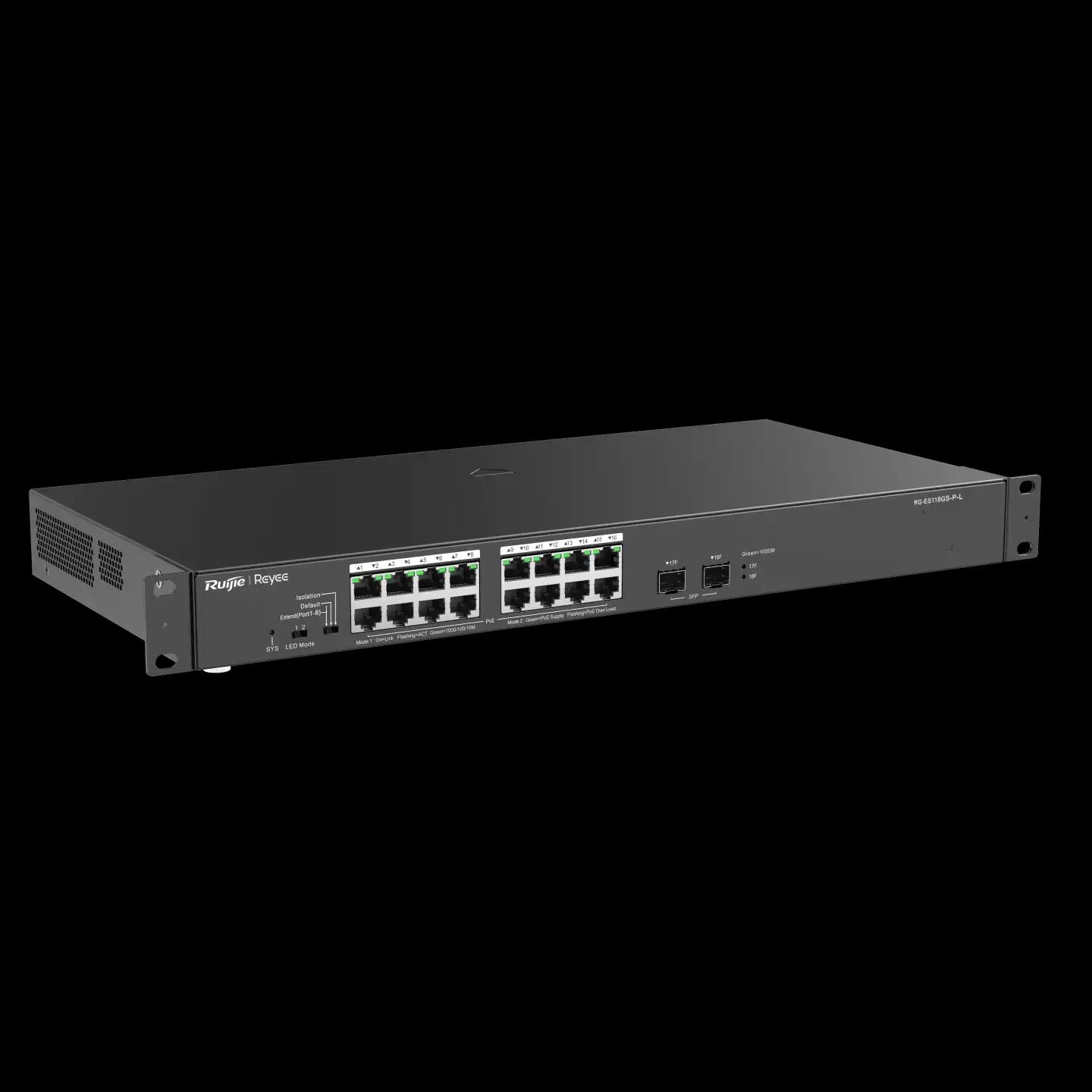
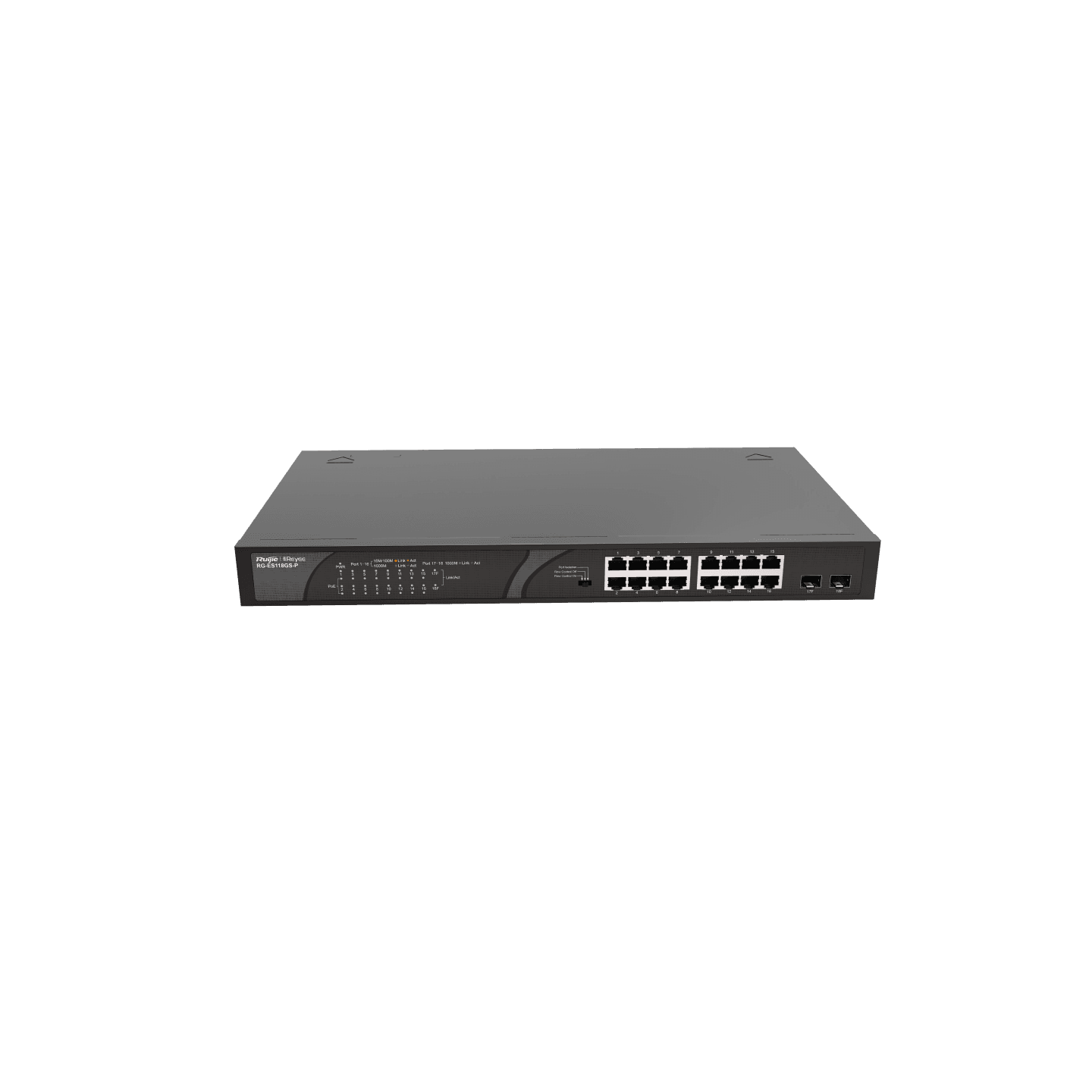
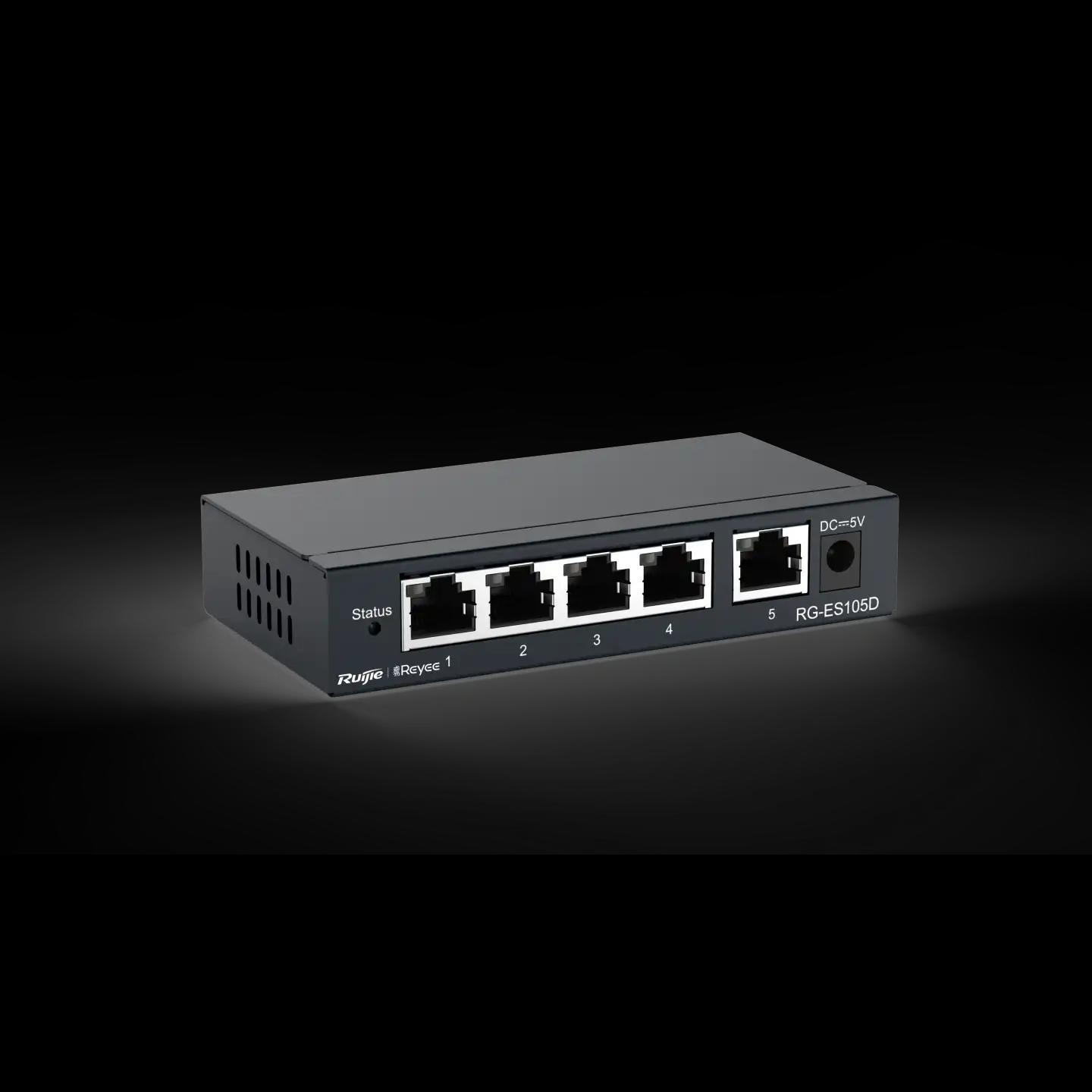
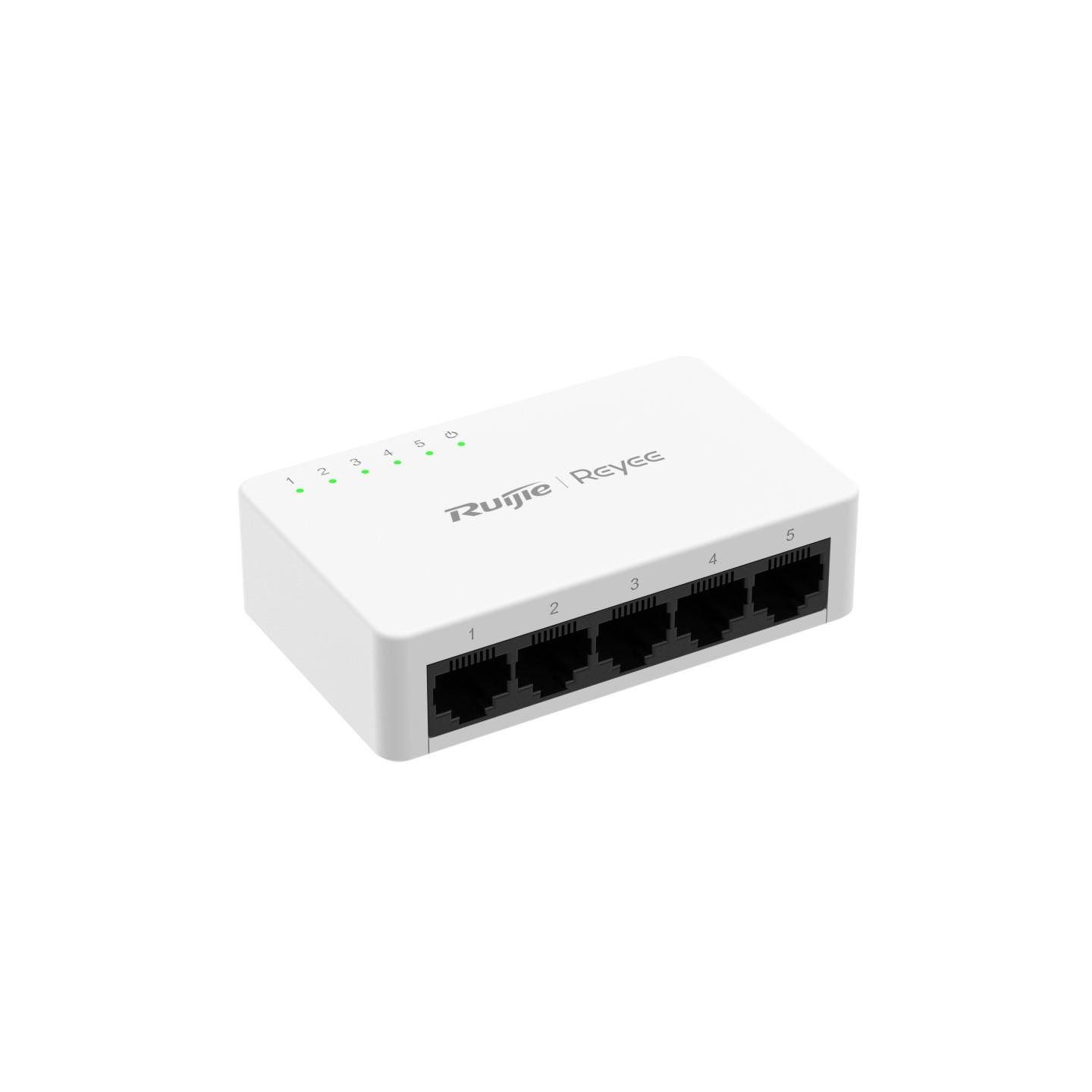
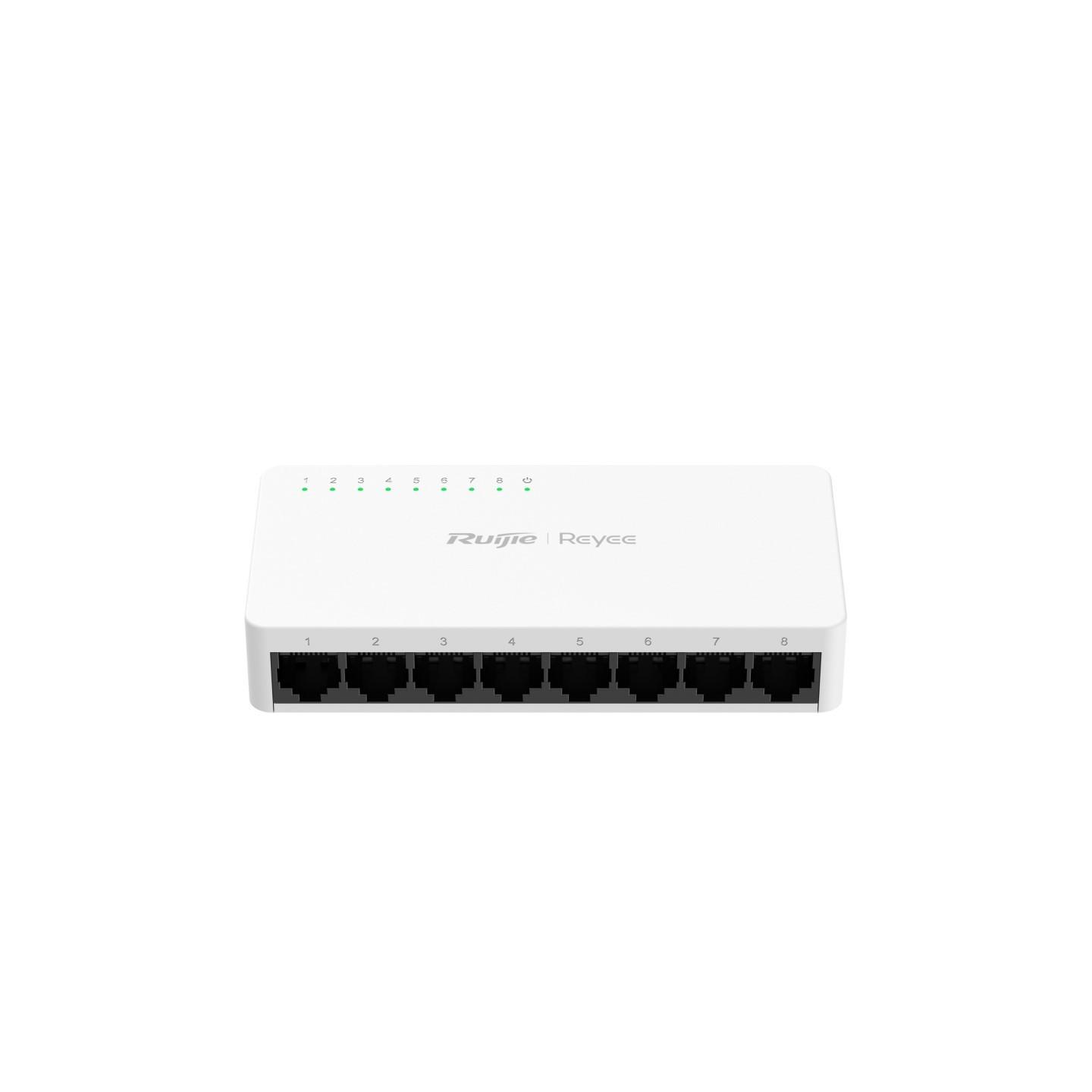
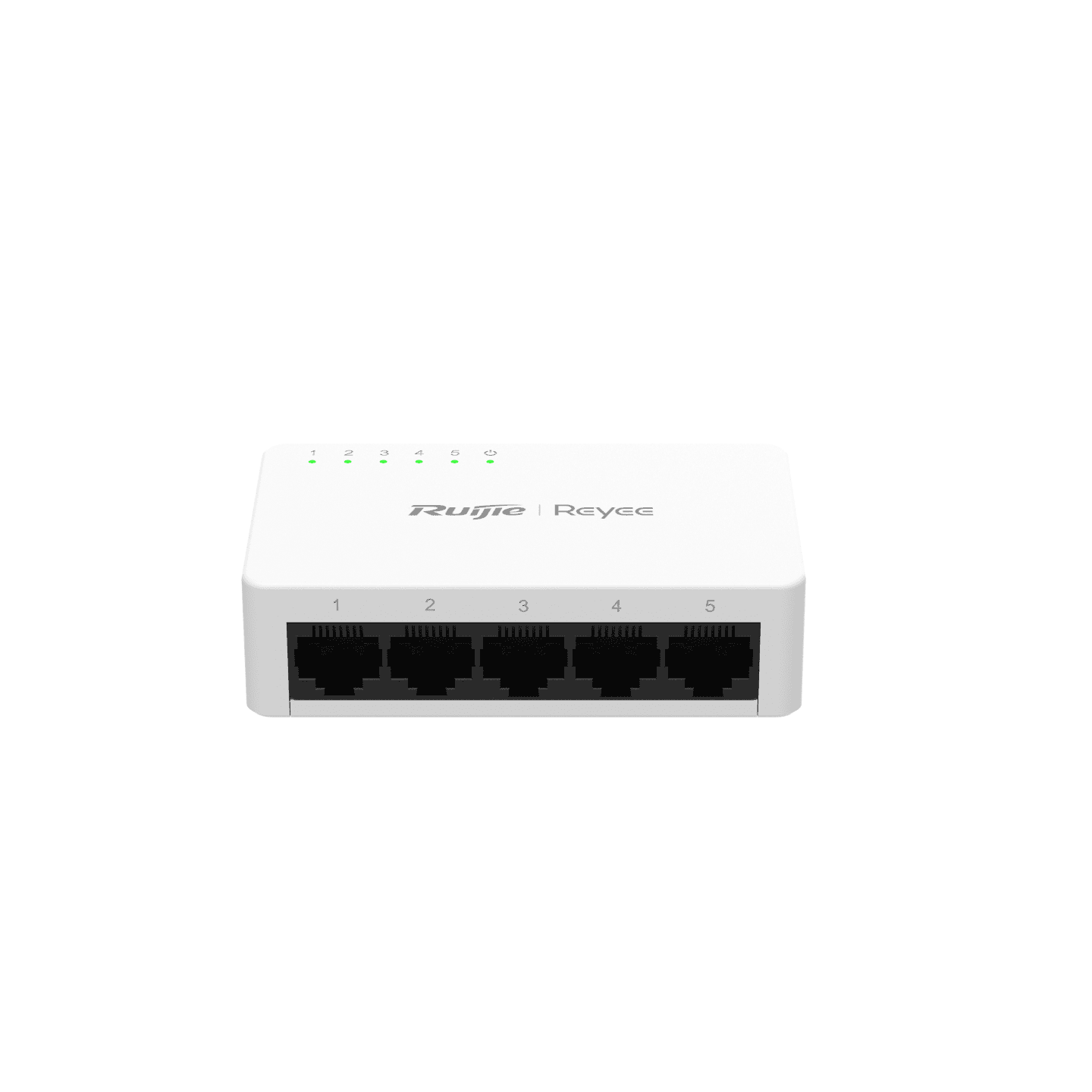
Modern businesses rely heavily on stable and secure network infrastructure to support critical operations such as cloud applications, IP surveillance systems, wireless connectivity, VoIP communication, and enterprise software platforms. As the number of connected devices increases, traditional unmanaged switches often become insufficient due to limited control, monitoring capabilities, and scalability.
Managed network switches provide advanced control over network traffic by allowing administrators to configure, monitor, and optimize network communication. Unlike basic switches that operate automatically without customization, managed switches provide intelligent features such as VLAN configuration, Quality of Service (QoS), traffic monitoring, network redundancy, and security management.
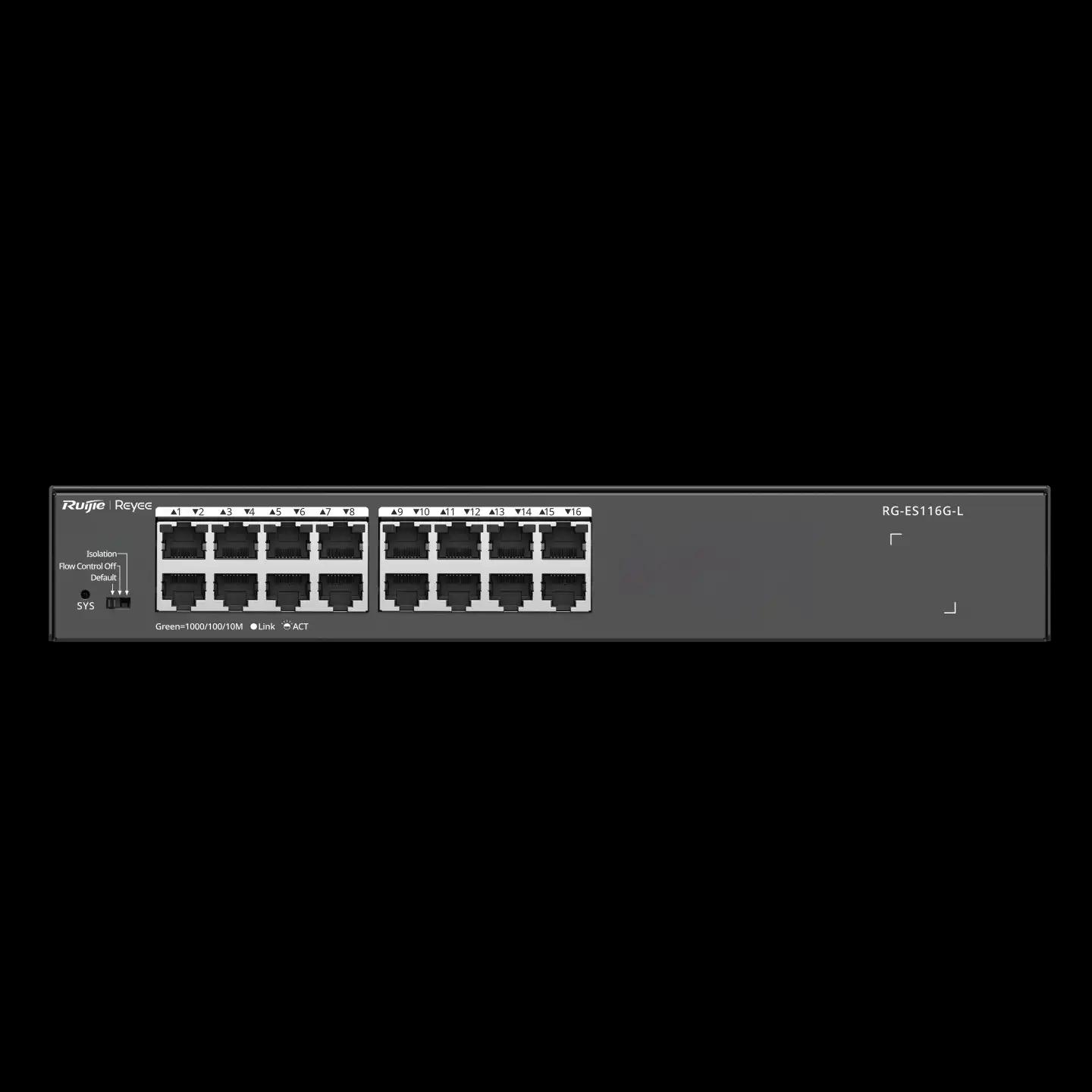
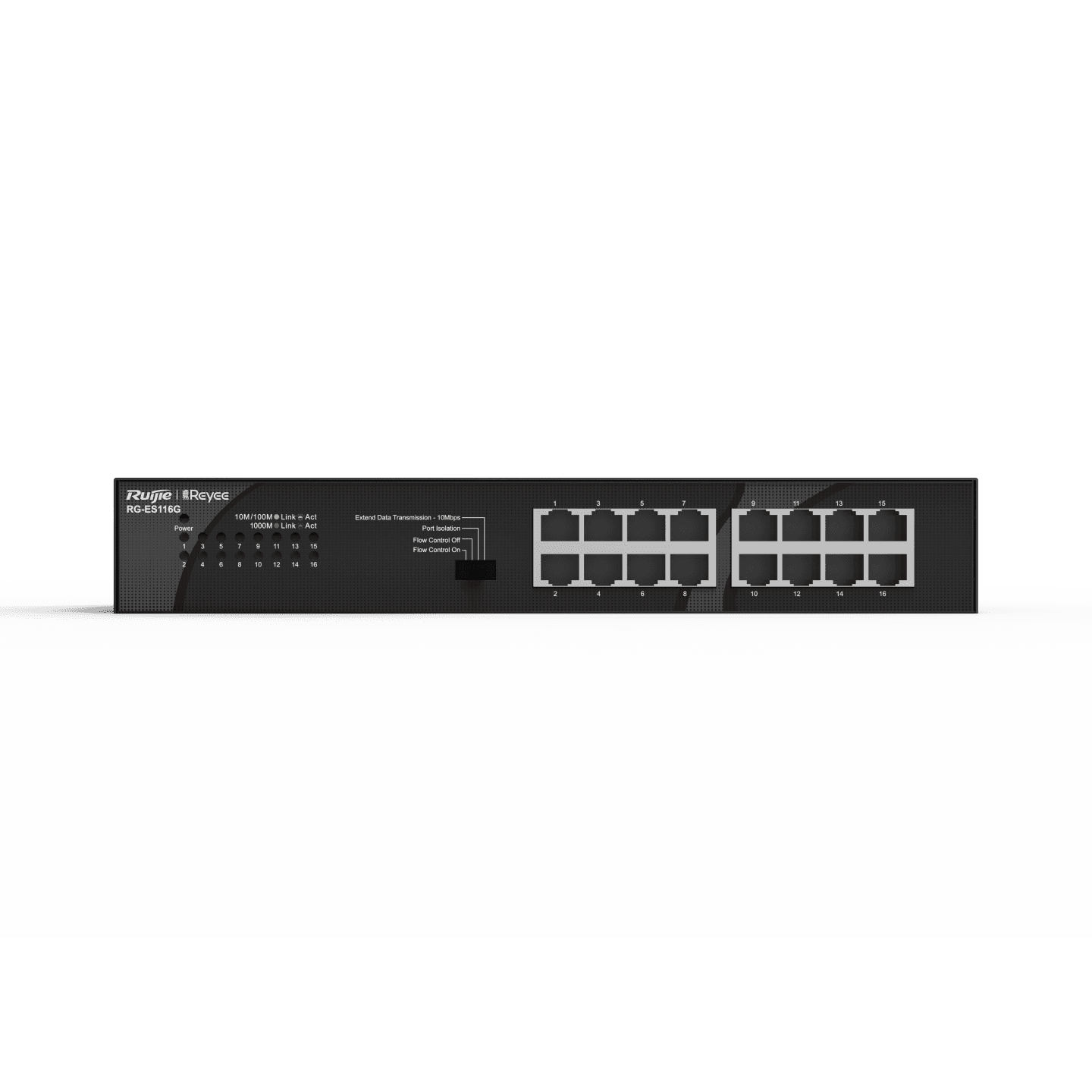
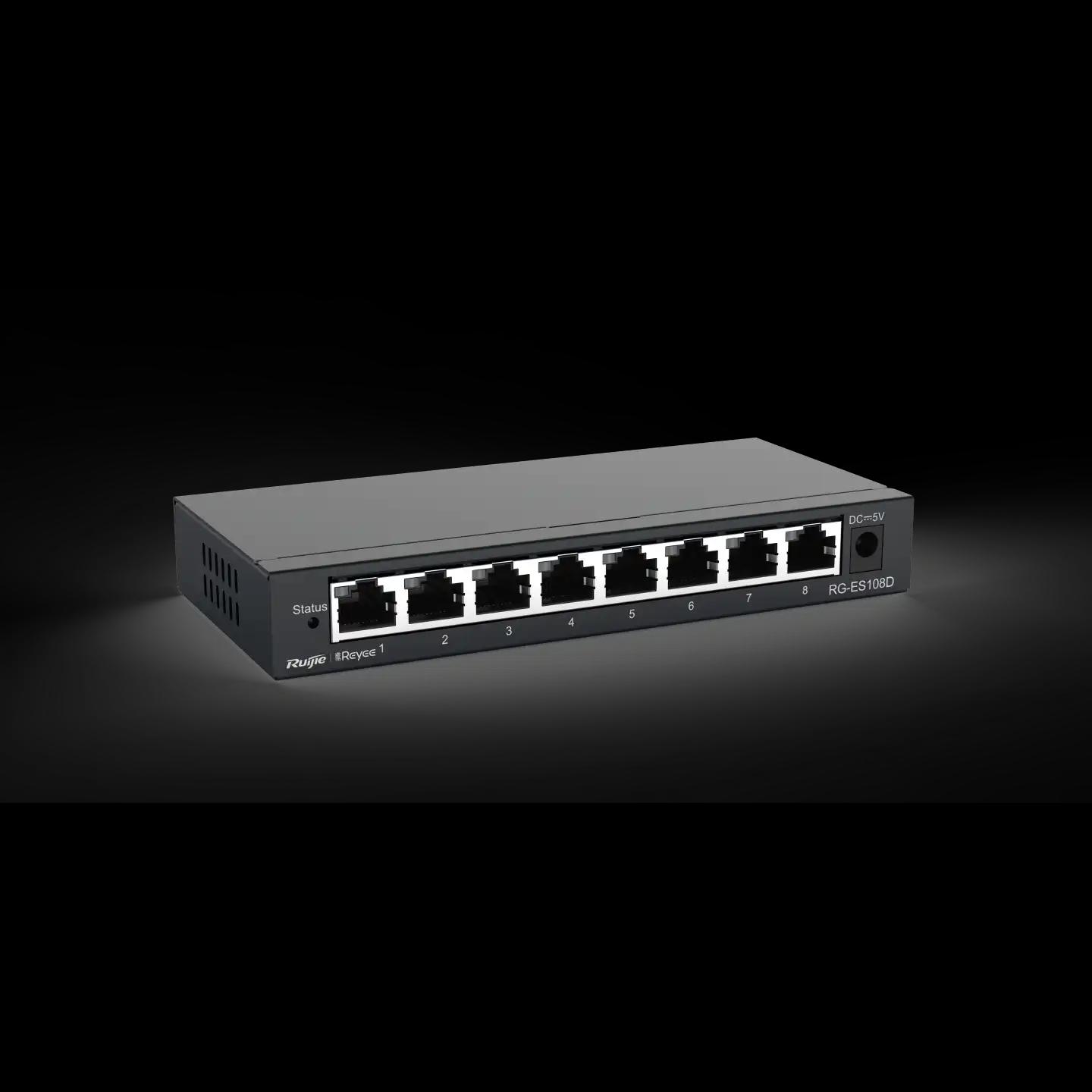
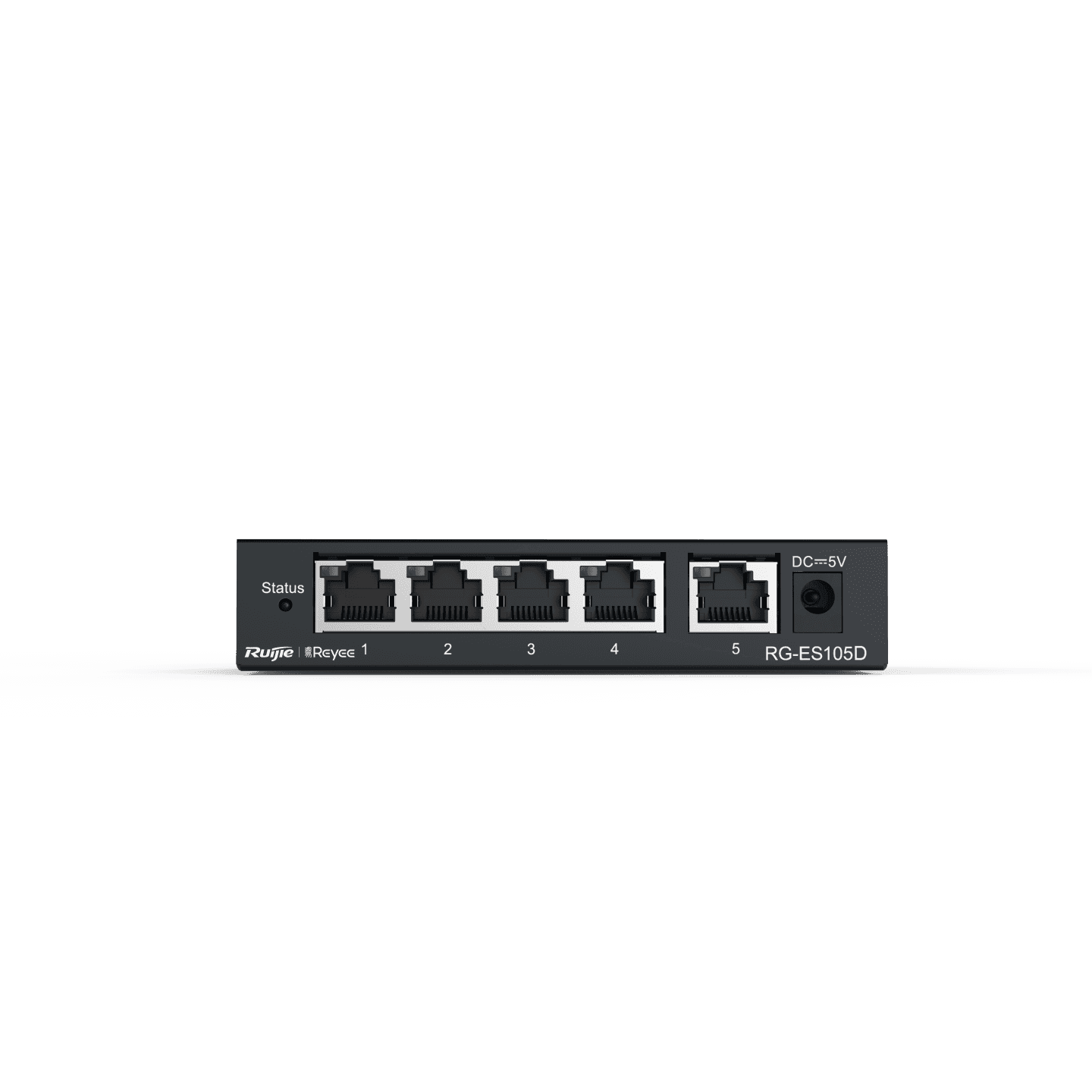
Safelincs Tech provides professional managed network switch solutions in Nepal for businesses, enterprises, security system integrators, and organizations requiring reliable and scalable networking infrastructure. Our networking solutions include managed switches, PoE switches, Gigabit Ethernet switches, and enterprise-grade networking devices from trusted brands such as Ruijie and Reyee.
Whether you are designing a corporate network, expanding a CCTV surveillance system, or building a structured IT infrastructure, selecting the right managed switch plays a crucial role in improving network performance, reliability, and security.
Explore our complete range of CCTV Camera Solutions in Nepal and professional networking products designed for modern security and connectivity requirements.
What is a Managed Network Switch?
A managed network switch is an advanced Ethernet switching device that provides administrators with complete control over network communication, device connectivity, and traffic management.
A traditional unmanaged switch simply connects devices and automatically forwards data between ports. However, a managed switch allows configuration and monitoring through different management interfaces, including:
Web-based management interface
Command Line Interface (CLI)
Network management software
Cloud-based management platforms
Managed switches operate primarily at Layer 2 (Data Link Layer) of the OSI model, where they use MAC addresses to forward Ethernet frames efficiently. Some advanced managed switches also provide Layer 3 functionality, enabling routing between different network segments.
A managed switch maintains a MAC address forwarding table that helps determine where data packets should be transmitted. When a device sends data:
The switch identifies the source MAC address.
It records the connected device location.
It checks the destination MAC address.
It forwards the Ethernet frame only through the required port.
This intelligent forwarding mechanism reduces unnecessary network traffic and improves overall network efficiency.
Why Do Businesses Need Managed Network Switches?
As organizations grow, network requirements become more complex. A business network may include:
Employee computers
Servers
IP cameras
Wireless access points
VoIP phones
IoT devices
Access control systems
Managing all these devices through a basic switch can create performance and security challenges. Managed switches provide advanced capabilities that help organizations:
Separate different network segments
Prioritize important traffic
Monitor network performance
Improve security
Troubleshoot network issues quickly
Expand infrastructure easily
For businesses implementing complete security infrastructure, networking equipment must work efficiently with devices such as Network Video Recorders (NVR) in Nepal and IP surveillance systems.
Advanced Features of Managed Network Switches
1. VLAN Configuration for Network Segmentation
Virtual Local Area Network(VLAN) is one of the most important features of managed Ethernet switches. VLAN technology allows administrators to divide one physical network infrastructure into multiple logical networks. This improves security, reduces unnecessary broadcast traffic, and provides better control over communication between devices.
For example, a corporate building may use separate VLANs for:
VLAN | Purpose |
VLAN 10 | Employee Network |
VLAN 20 | CCTV Surveillance |
VLAN 30 | Guest WiFi |
VLAN 40 | Server Infrastructure |
With VLAN configuration, CCTV cameras can operate separately from employee computers, reducing security risks and improving network performance. Managed switches support IEEE 802.1Q VLAN tagging, allowing multiple VLANs to communicate efficiently through trunk connections between switches.
2. Quality of Service (QoS) for Traffic Prioritization
Modern networks handle different types of data traffic simultaneously. A video conference, VoIP call, cloud application, and CCTV recording stream may all compete for available bandwidth. Without traffic management, high-bandwidth applications can affect critical services. Managed switches use Quality of Service (QoS) technology to prioritize important network traffic.
QoS can classify traffic based on:
IP address
MAC address
VLAN priority
Application type
Network protocol
For example:
Voice traffic can receive higher priority to reduce latency.
CCTV video streams can receive dedicated bandwidth.
Business applications can be protected from unnecessary congestion.
This makes managed switches essential for professional environments where network reliability is critical.
3. SNMP Network Monitoring and Management
Network visibility is important for maintaining reliable IT infrastructure. Managed switches support Simple Network Management Protocol (SNMP), which allows administrators to monitor network devices through centralized monitoring platforms.
SNMP enables monitoring of:
Port activity
Bandwidth utilization
Packet errors
Network congestion
Device health status
Enterprise IT teams can identify problems before they cause downtime. Advanced SNMP versions, such as SNMPv3, provide authentication and encryption features for secure network monitoring.
4. Spanning Tree Protocol (STP/RSTP) for Network Reliability
Large networks often require redundant connections between switches to prevent service interruptions. However, redundant links can create network loops that cause broadcast storms.
Managed switches use: Spanning Tree Protocol (STP), Rapid Spanning Tree Protocol (RSTP) and Multiple Spanning Tree Protocol (MSTP) to prevent switching loops. These protocols automatically identify redundant paths and maintain a stable network topology.
Its benefits include:
Improved network availability
Automatic recovery during link failures
Reduced downtime
Better network stability
5. Link Aggregation (LACP) for Higher Bandwidth
Enterprise networks often require higher bandwidth connections between switches, servers, and storage systems. Link Aggregation Control Protocol (LACP) allows multiple Ethernet connections to combine into one logical connection.
For example, multiple Gigabit Ethernet links can work together to provide:
Increased bandwidth
Load balancing
Connection redundancy
LACP is commonly used in:
Data centers
Server networks
Core switching environments
Managed PoE Switches in Nepal for CCTV and IP Devices
Power over Ethernet (PoE) technology has transformed the installation of IP-based devices by allowing both power and data transmission through a single Ethernet cable. A managed PoE switch combines advanced network management features with PoE capability.
Instead of installing separate power adapters for each device, PoE switches deliver electrical power directly through network cables. Managed PoE switches are commonly used for:
IP CCTV cameras
Wireless access points
VoIP phones
Smart building devices
IoT equipment
For professional surveillance installations, explore our range of PoE Switches in Nepal designed for reliable IP camera connectivity.
Understanding PoE Standards
1. IEEE 802.3af PoE
Standard PoE provides power for devices requiring lower energy consumption.
Common applications:
Standard IP cameras
VoIP phones
Basic wireless access points
2. IEEE 802.3at PoE+
PoE+ provides higher power output for advanced devices.
Applications:
PTZ cameras
High-performance access points
Advanced IP devices
3. IEEE 802.3bt PoE++
PoE++ supports higher power requirements.
Applications:
High-performance wireless systems
Advanced surveillance equipment
IoT infrastructure
Selecting the correct PoE standard ensures connected devices receive sufficient power without affecting network stability.
Managed Switch Applications
1. CCTV Surveillance Networks
Modern IP surveillance systems depend on reliable network infrastructure. A typical CCTV network includes: IP Cameras, Managed PoE Switch, Core Network Switch and NVR / Video Management System
Managed PoE switches improve CCTV networks by providing:
Centralized camera connectivity
Better bandwidth control
Network monitoring
Easier troubleshooting
Improved security
For complete surveillance deployment, explore: IP CCTV Camera Systems and NVR Solutions
2. Corporate Office Networks
Businesses use managed switches to support:
Employee networks
Server communication
Cloud applications
Video conferencing
Access control systems
Features such as VLAN, QoS, and monitoring help organizations maintain secure and efficient communication.
3. Educational Institutions and Commercial Buildings
Schools, colleges, hotels, and commercial buildings require reliable networks supporting hundreds of connected devices.
Managed switches help manage:
Student networks
Administrative systems
CCTV infrastructure
Wireless access points
Managed Switch vs Unmanaged Switch
Feature | Managed Switch | Unmanaged Switch |
Configuration | Advanced | Automatic |
VLAN Support | Yes | No |
Traffic Control | QoS Available | Limited |
Monitoring | SNMP Support | Not Available |
Security Features | Advanced | Basic |
Enterprise Usage | Recommended | Limited |
Managed switches are preferred for organizations requiring scalability, monitoring, and network control.
How to Select the Right Managed Network Switch?
Before purchasing a managed switch, consider:
1. Number of Ports
Switch selection depends on connected devices and future expansion. Common options include:
8-port managed switches
16-port managed switches
24-port managed switches
48-port managed switches
2. Network Speed
Modern networks commonly require:
Fast Ethernet
Gigabit Ethernet
10 Gigabit uplinks
Gigabit managed switches are suitable for:
CCTV networks
Servers
Enterprise applications
3. PoE Power Budget
For CCTV installations, calculate:
Number of cameras
Camera power requirements
Total PoE budget
A suitable PoE switch ensures reliable operation of all connected devices.
Why Choose Safelincs Tech for Managed Network Switches in Nepal?
Safelincs Tech provides complete networking and security infrastructure solutions for businesses and organizations across Nepal. Our solutions include:
Managed network switches
PoE switches
CCTV networking
NVR systems
Enterprise security solutions
We help customers select networking equipment based on:
Network requirements
Number of connected devices
Bandwidth requirements
Security needs
Future expansion plans
With technical expertise and reliable products, Contact Safelincs Tech in building secure and scalable network infrastructure.
Frequently Asked Questions
1. What is a managed network switch?
A managed network switch is a configurable Ethernet switch that allows administrators to control, monitor, and optimize network traffic through features such as VLAN, QoS, SNMP, and security management.
2. What is the difference between managed and unmanaged switches?
Managed switches provide advanced configuration and monitoring features, while unmanaged switches operate automatically without customization options.
3. What is a Layer 2 managed switch?
A Layer 2 managed switch operates at the Data Link Layer and manages communication using MAC addresses, VLANs, and Ethernet switching protocols.
4. Can managed switches be used for CCTV cameras?
Yes. Managed PoE switches are commonly used for IP CCTV cameras because they provide both network connectivity and power delivery.
5. What is VLAN in a managed switch?
VLAN allows administrators to divide one physical network into multiple logical networks for improved security and traffic management.
6. What is SNMP used for in network switches?
SNMP allows administrators to monitor switch performance, bandwidth usage, port status, and network health.
7. How many ports do I need in a managed switch?
The required number of ports depends on connected devices and future expansion requirements.
8. What is the difference between PoE and PoE+?
PoE+ provides higher power output than standard PoE and supports devices requiring more power, such as PTZ cameras and advanced wireless access points.
9. Are managed switches better for enterprise networks?
Managed switches are suitable for enterprise networks because they provide better security, monitoring, scalability, and traffic control.
10. How much does a managed network switch cost in Nepal?
The price depends on port count, brand, speed, PoE capability, and management features.