
Fire Fighting Products
Fire Fighting Suits & Fire Fighting Gears
2025 EN469:2020 CERTIFICATED NOMEX IIIA 4 LAYER FIERFIGHTER SUITS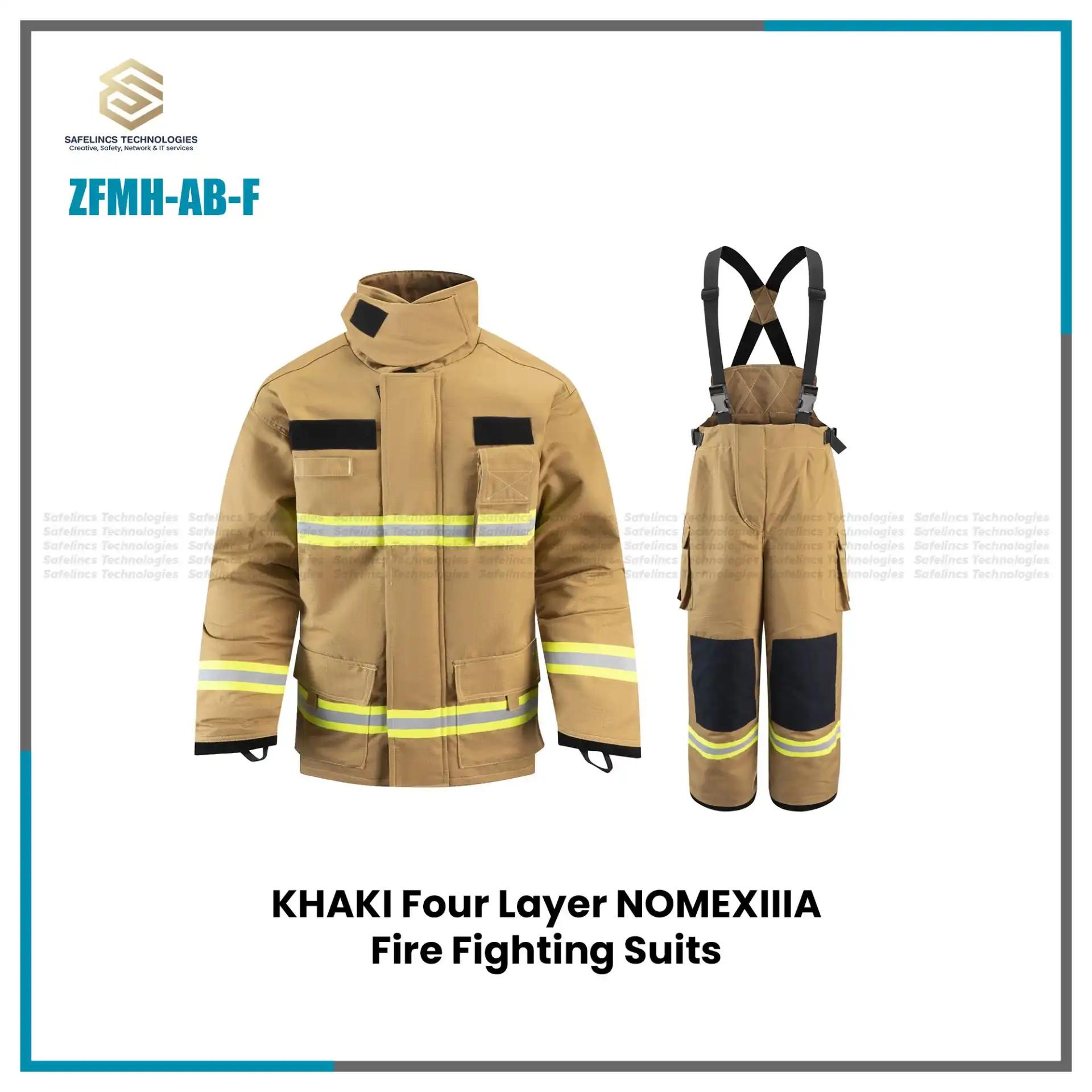
Fire Fighting Suits & Fire Fighting Gears
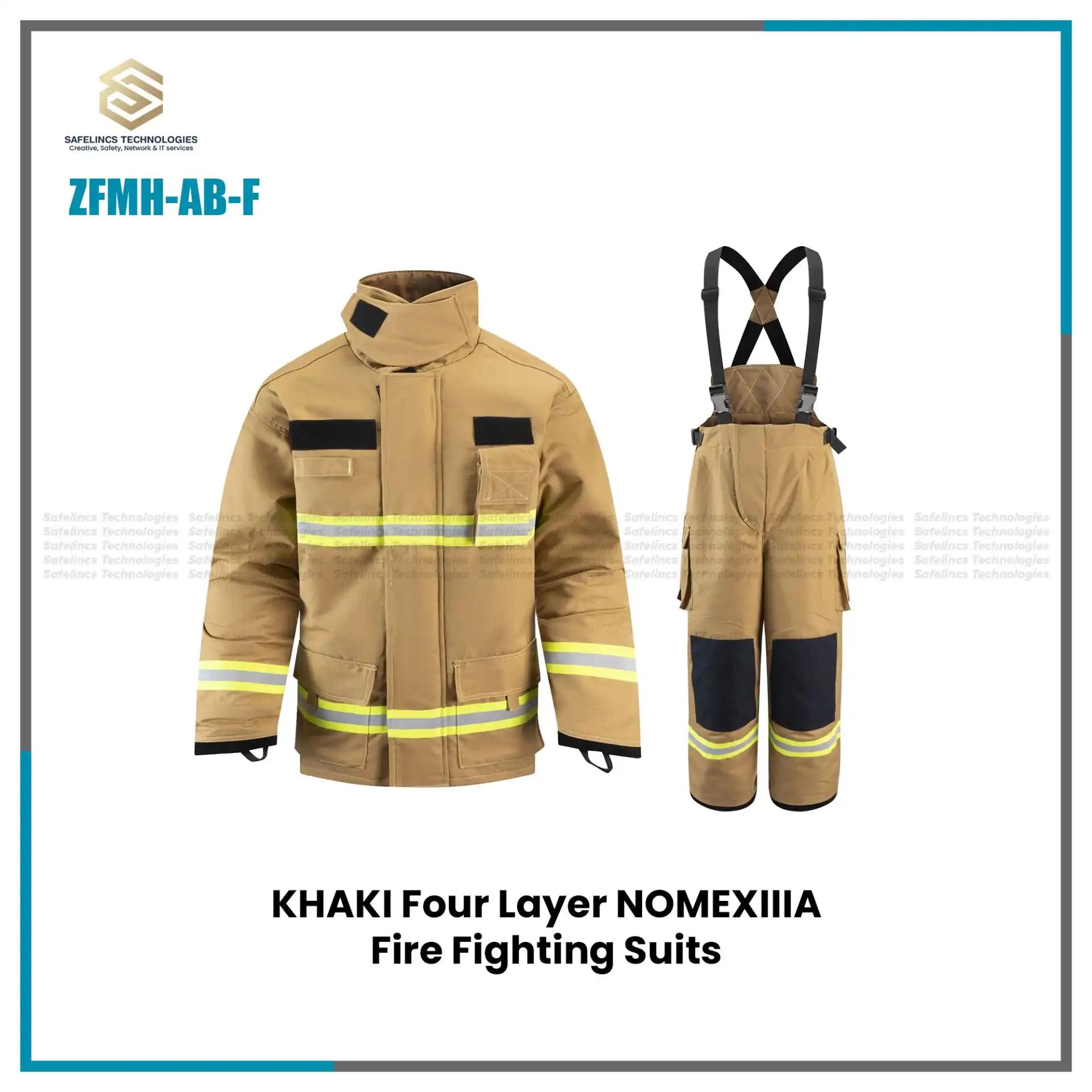
EN469 CERTIFICATED KHAKI Four Layer NOMEXIIIA Fire Fighting Suits
Fire Fighting Suits & Fire Fighting Gears
EN469 CERTIFICATED 11-Style Four Layer Fire Fighting SuitsRs. 75,000
Fire fighting products are essential for protecting emergency responders, supporting rescue operations and reducing fire-related risks in commercial, industrial and institutional buildings. Selecting the right equipment requires an understanding of protective materials, thermal performance, equipment specifications, certification requirements and intended applications.
Safelincs Technologies supplies fire fighting products in Nepal, including firefighter suits, protective helmets, gloves, rescue accessories and fire-rated doors. These products serve different purposes, from protecting firefighters against specific operational hazards to helping maintain fire compartmentation within buildings.
Explore our range of fire fighting suits and safety gear or browse the products below to compare available specifications, prices and purchasing options.
Types of Fire Fighting Equipment
Fire fighting equipment can be classified according to its protective function and intended application. Some products provide personal protection during firefighting and rescue operations, while others help protect building openings or support emergency response.
The equipment should be selected according to the specific hazard, operating environment and applicable technical requirements.
Equipment type | Primary function | Important technical parameters |
Fire fighting suits | Protect the body against specified heat, flame and physical hazards | Garment layers, material composition, thermal performance and certification |
Firefighter helmets | Protect the head against specified impact, penetration and thermal hazards | Shell construction, impact resistance, visor and retention system |
Firefighting gloves | Protect the hands during firefighting operations | Heat resistance, mechanical strength, dexterity and grip |
Fire hoods | Provide supplementary protection around the head and neck | Material, coverage, thermal performance and compatibility |
Rescue accessories | Support specific emergency-response activities | Load rating, illumination, durability and application |
Fire-rated doors | Protect designated openings in fire-resisting construction | Fire rating, door assembly, hardware and installation |
These products are not interchangeable. A firefighter helmet cannot replace respiratory protection, and protective clothing alone does not make entry into a hazardous atmosphere safe. Similarly, a fire-rated door is a passive protection component, not a firefighting device.
For a wider range of detection, suppression and protection equipment, explore our fire safety equipment in Nepal , including fire extinguishers and fire alarm systems.
Fire Fighting Suits & Protective Clothing
Fire fighting suits are designed to reduce exposure to specified thermal and physical hazards encountered during firefighting and rescue operations. Their protective performance depends on the garment's material composition, multilayer construction, seam integrity, fit and tested performance characteristics.
Structural firefighting clothing differs from ordinary industrial workwear and training garments. A flame-resistant fabric may resist ignition, but this property alone does not establish that the complete garment provides sufficient protection against the combined hazards of structural firefighting.
Safelincs Tech offers different protective garments, including four-layer firefighter suits, khaki protective suits and flame-resistant cotton workwear. Browse our fire fighting suits and protective gear in Nepal for available options.
Materials & Construction of Fire Fighting Suits
Multilayer firefighting garments use different materials to perform distinct protective functions. A typical structural firefighting garment incorporates an outer shell, a moisture barrier and a thermal barrier, together with an inner lining where specified by its design.
1. Outer Shell
The outer shell is the garment's external protective layer. It provides flame resistance and contributes to mechanical durability against abrasion, tearing and other specified hazards. Aramid fibres such as meta-aramid and para-aramid are used in certain protective fabric constructions because of their heat-resistant properties.
Meta-aramid fibres, including Nomex, are associated with inherent flame resistance. Para-aramid fibres, including Kevlar, can contribute tensile strength and mechanical reinforcement when incorporated into suitable fabric blends.
However, the presence of Nomex or Kevlar does not establish the protection level of a finished suit. Fabric weight, composition, construction, manufacturing quality and complete-garment testing also matter.
2. Moisture Barrier
The moisture barrier helps resist penetration by water and certain liquids under the conditions covered by its specified tests. It commonly consists of a membrane combined with a supporting substrate. Its effectiveness depends on the membrane, seams and overall garment construction.
Water penetration resistance and moisture-vapour resistance are different properties. A barrier that strongly resists liquid penetration may also influence the movement of perspiration vapour, affecting thermal comfort.
3. Thermal Barrier
The thermal barrier is designed to slow heat transfer through the protective garment. Its insulating performance depends on material composition, thickness, structure, trapped air and the integrity of the complete assembly.
Thermal insulation can delay heat transfer but does not eliminate heat exposure. Heat may still accumulate within protective clothing, particularly during prolonged or physically demanding operations.
4. Inner Lining & Garment Assembly
The inner lining provides a contact surface between the wearer and the protective layers and can contribute to comfort and the durability of the construction.
Other important garment features include reinforced seams, protective closures, wrist interfaces, reflective trim and compatible jacket-and-trouser overlap.
A complete garment must provide protection across its assembled construction, not merely through individual fabric samples.
Thermal Protection & Performance Specifications
The thermal performance of protective clothing should be evaluated using documented test results rather than relying on descriptions such as high-temperature resistant or fireproof.
Performance parameter | Technical significance |
Flame spread | Evaluates flame propagation behaviour under specified test conditions. |
Convective heat transfer | Measures the transfer of heat associated with flame exposure through the material assembly. |
Radiant heat transfer | Evaluates the response to incident thermal radiation. |
Water penetration resistance | Assesses resistance to liquid water passing through the tested construction. |
Water-vapour resistance | Describes resistance to moisture-vapour movement through the material assembly. |
Tear and tensile strength | Evaluates mechanical resistance to specified tearing and pulling forces. |
Seam strength | Assesses the integrity of garment joining points. |
Convective and radiant heat transfer are particularly important because they represent different mechanisms of thermal exposure.
Convective heat transfer occurs when heat is transferred through the movement of hot gases or fluids, whereas radiant heat transfer occurs through thermal radiation.
Protective garments should be evaluated against the exposure conditions relevant to their intended operational environment.
Fire Fighting Suit Standards & Performance Classification
EN 469:2020 establishes minimum performance requirements for protective clothing used in specified firefighting activities. It covers garment design, thermal and mechanical performance, certain chemical resistance requirements, visibility, marking and manufacturer information.
The standard uses performance classifications identified by X, Y and Z.
Classification | Performance characteristic |
X1 / X2 | Heat and flame protection |
Y1 / Y2 | Resistance to water penetration |
Z1 / Z2 | Water-vapour resistance |
EN 469 distinguishes Level 1 clothing intended for certain outdoor firefighting and support activities from Level 2 clothing addressing structural firefighting risks. This distinction is based on the heat-and-flame performance requirements.
Level 1 clothing alone is not suitable for structural firefighting unless combined with Level 2 or other specialized PPE appropriate to the risk assessment.
The X, Y and Z classifications must be read together with the manufacturer's instructions and the relevant certification documentation.
Safelincs lists fire fighter suits and protective garments described as EN 469-certified firefighter suits, including four-layer Nomex IIIA models. Customers should confirm the certificate, applicable edition, performance classifications and exact product model before purchasing.
Firefighter Helmets, Gloves & Rescue Accessories
Firefighter protective equipment is selected to protect specific areas of the body and support particular emergency-response tasks. Each component must be suitable for its intended environment and compatible with the remaining protective ensemble.
A helmet, glove or rescue accessory should not be selected solely by appearance, material name or price.
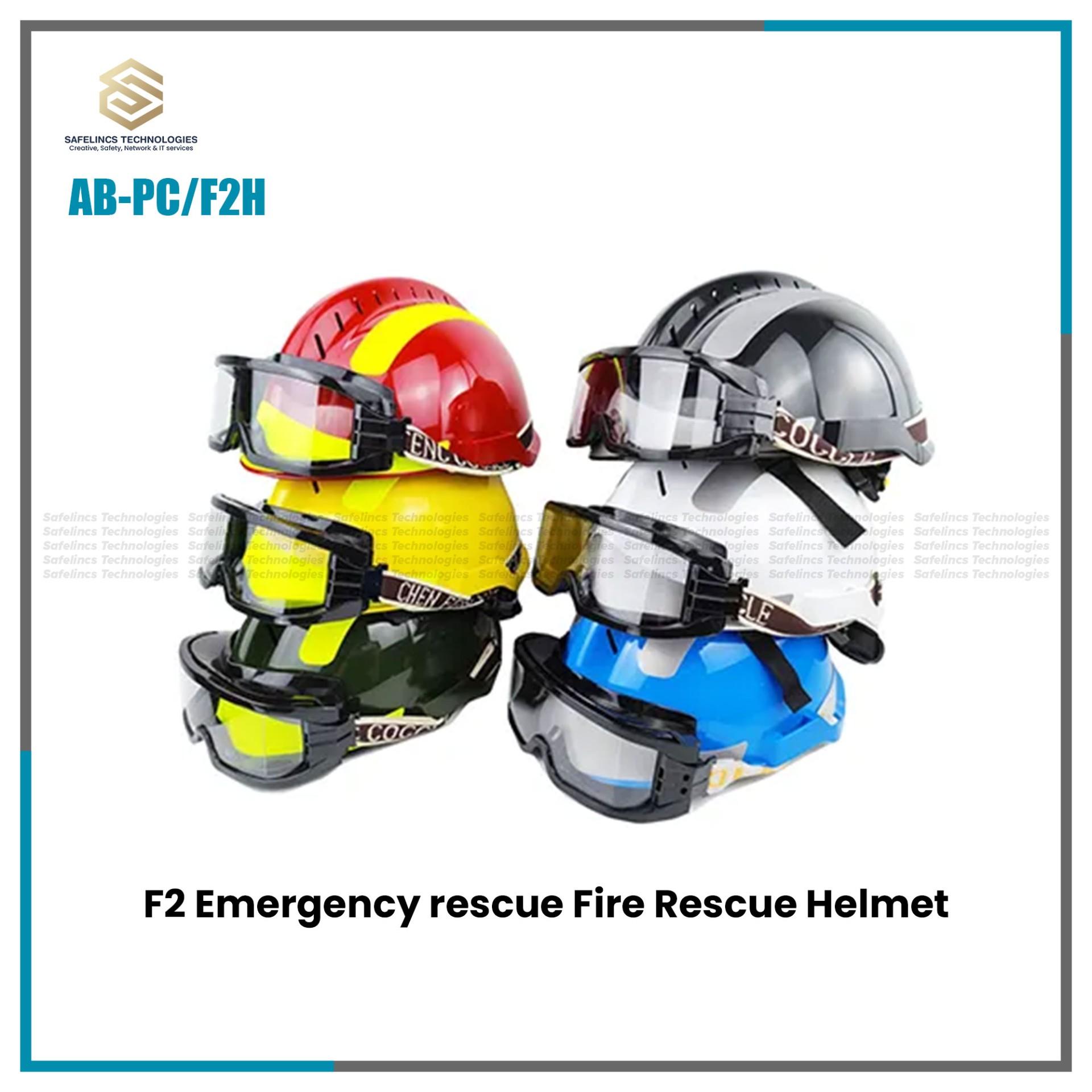
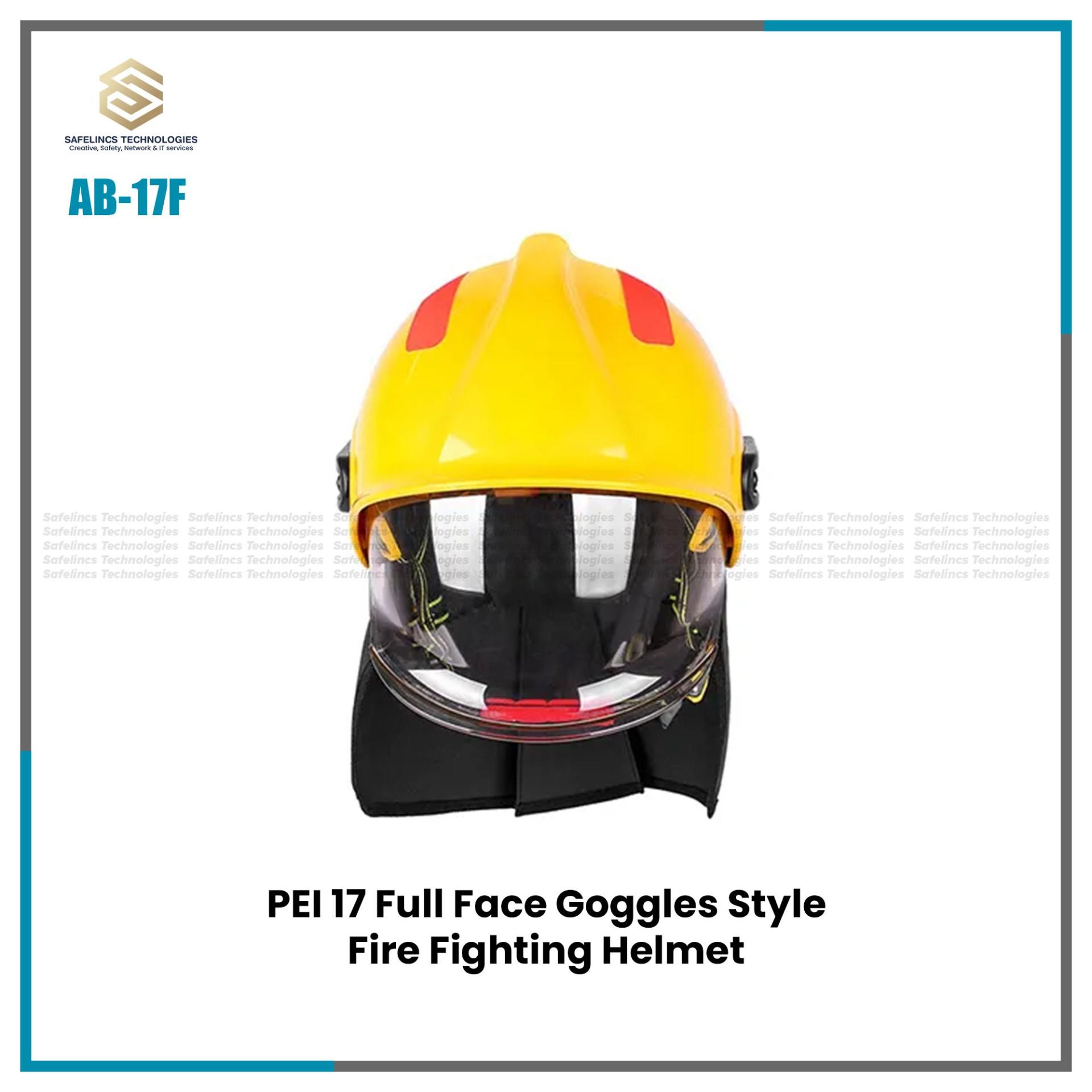
1. Firefighter Helmet Construction & Specifications
Firefighter helmets are designed to provide head protection against hazards defined by their intended use and applicable testing requirements.
Their construction may include an impact-resistant outer shell, an energy-absorbing suspension system, a retention assembly and protective accessories.
The following specifications are important when evaluating a helmet:
Component | Technical consideration |
Outer shell | Material, thermal behaviour and mechanical resistance |
Impact protection | Tested ability to attenuate specified impact forces |
Penetration resistance | Resistance to specified penetrating objects |
Retention system | Chin strap, fastening mechanism and helmet stability |
Visor | Optical quality, coverage and applicable impact or thermal protection |
Adjustment system | Fit, head-size compatibility and stability |
Accessories | Compatibility with approved eye protection, lighting and other equipment |
A structural firefighting helmet and a technical-rescue helmet may be designed for different hazards. Certification for one application should not be assumed to cover the other.
Safelincs offers products such as the FIRE F2 Emergency Rescue Helmet and European-style firefighter helmets. Product-specific protective performance and certification should be verified through their technical datasheets.
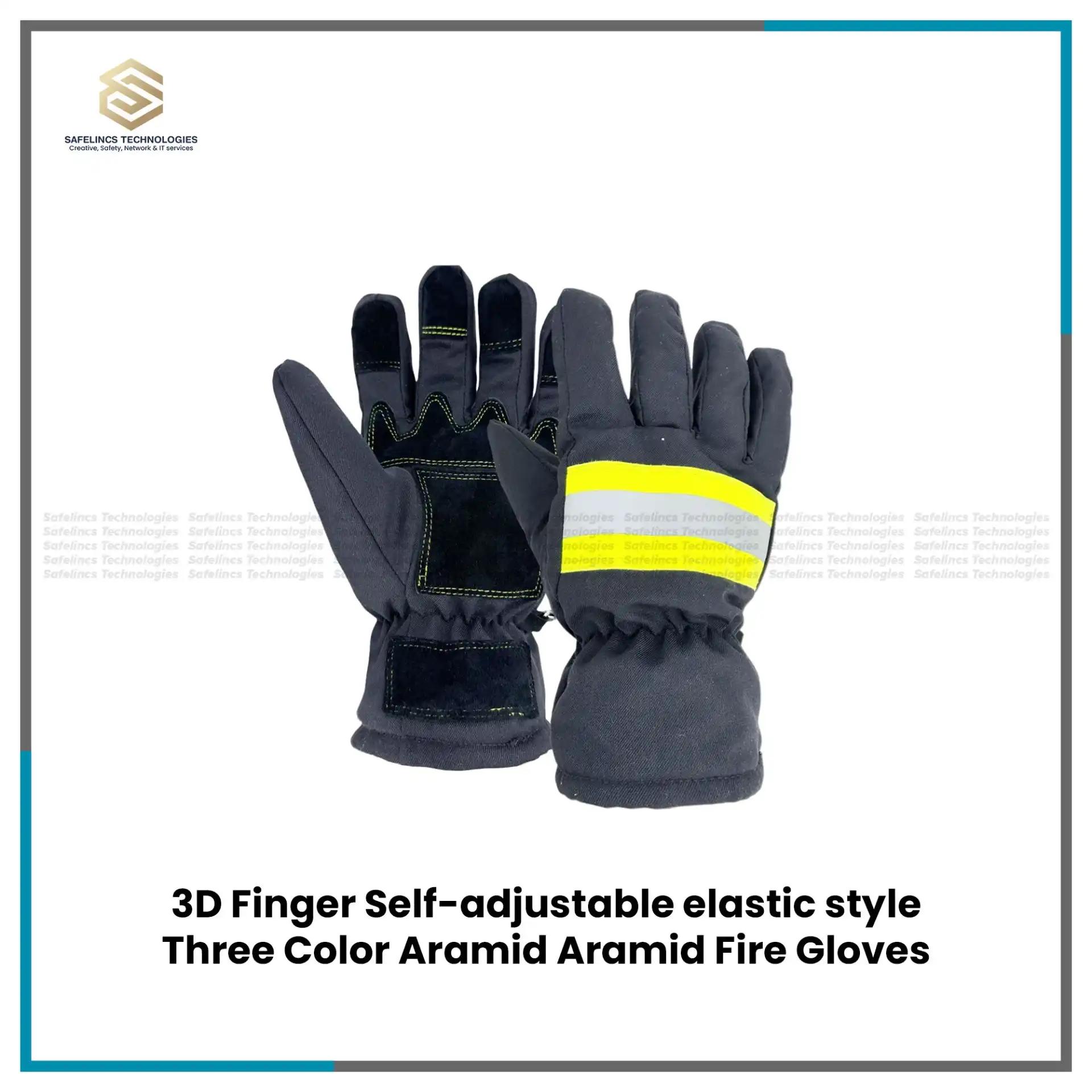
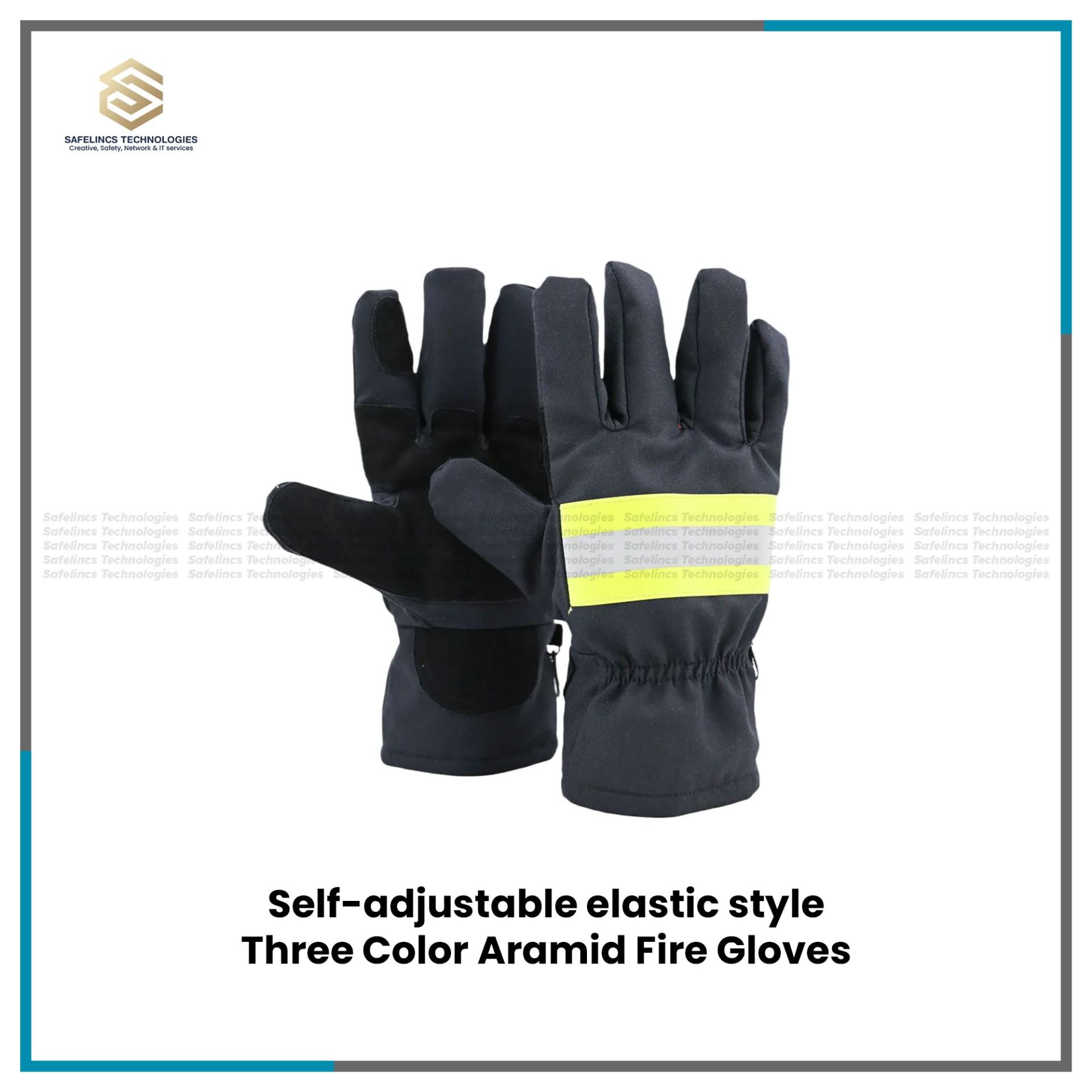
2. Firefighting Gloves & Hand Protection
Firefighting gloves help protect the hands against thermal exposure and specified mechanical hazards while allowing the wearer to handle equipment.
Their performance depends on the construction of the palm, back of hand, finger sections, lining and cuff.
Thermal protection must be balanced with dexterity. Excessive bulk can restrict finger movement, while insufficient insulation or unsuitable materials may expose the hands to hazards beyond the glove's intended performance.
Relevant technical properties include thermal resistance, abrasion resistance, cut resistance, puncture resistance, tear strength, grip and water penetration resistance.
EN 659 specifies minimum performance requirements and test methods for firefighters' protective gloves used during normal firefighting, including search and rescue. It does not make such gloves suitable for deliberate handling of liquid chemicals or every specialized operation.
Safelincs lists aramid-based firefighting gloves described as EN 659-certified. Buyers should confirm the exact model, glove size, certification and manufacturer-specified limitations before use.
3. Rescue Equipment & Accessories
Rescue accessories support specific emergency-response activities. Their technical requirements differ according to whether the equipment is used for illumination, carrying, protective coverage or firefighting support.
a. Rescue Torches
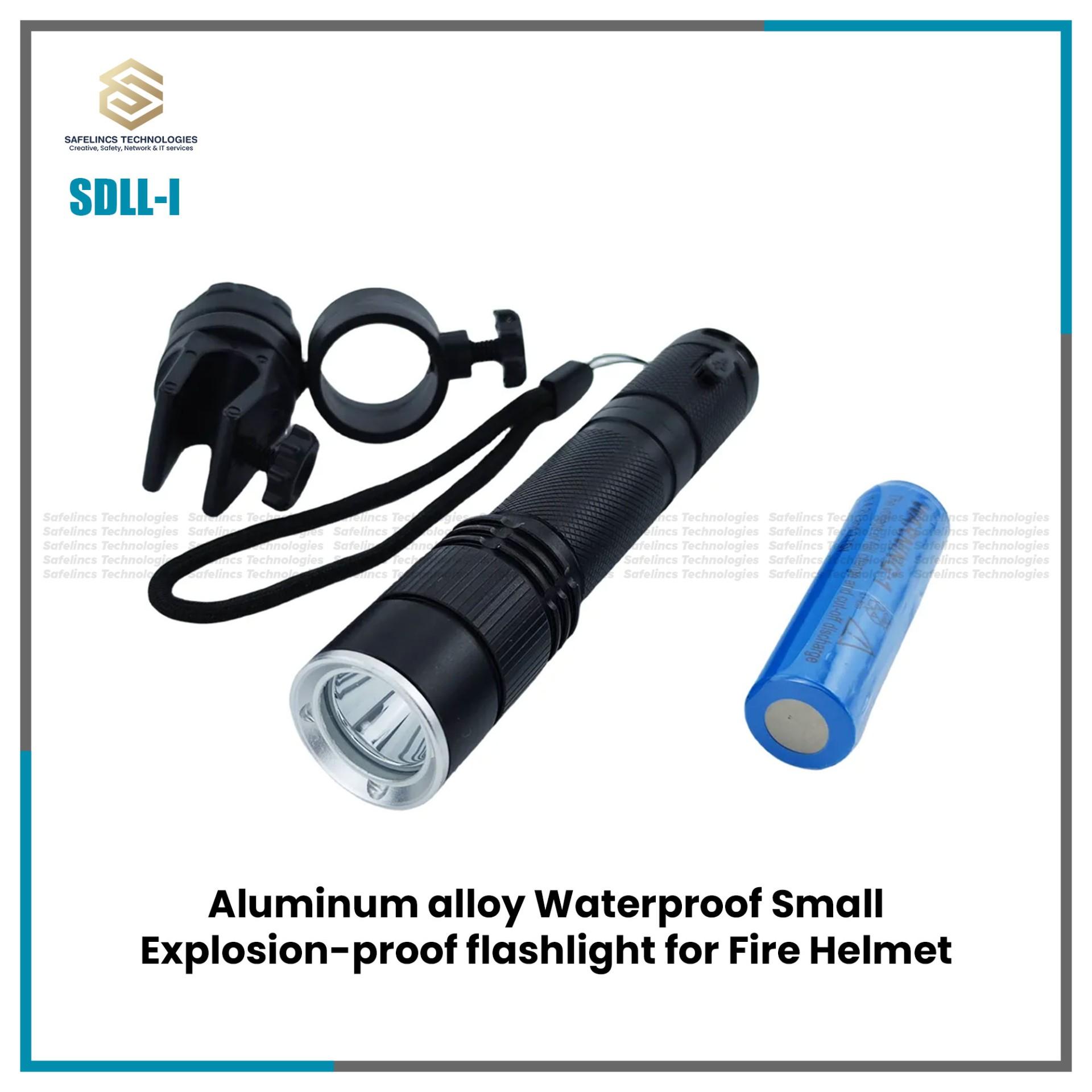
A rescue torch should be evaluated according to its light output, beam characteristics, battery runtime, operating temperature and resistance to water and dust.
Where use in a potentially explosive atmosphere is anticipated, suitable hazardous-area certification is essential. An ordinary waterproof torch should not be assumed to be explosion-proof. Safelincs lists a firefighter rescue torch within its protective-gear category.
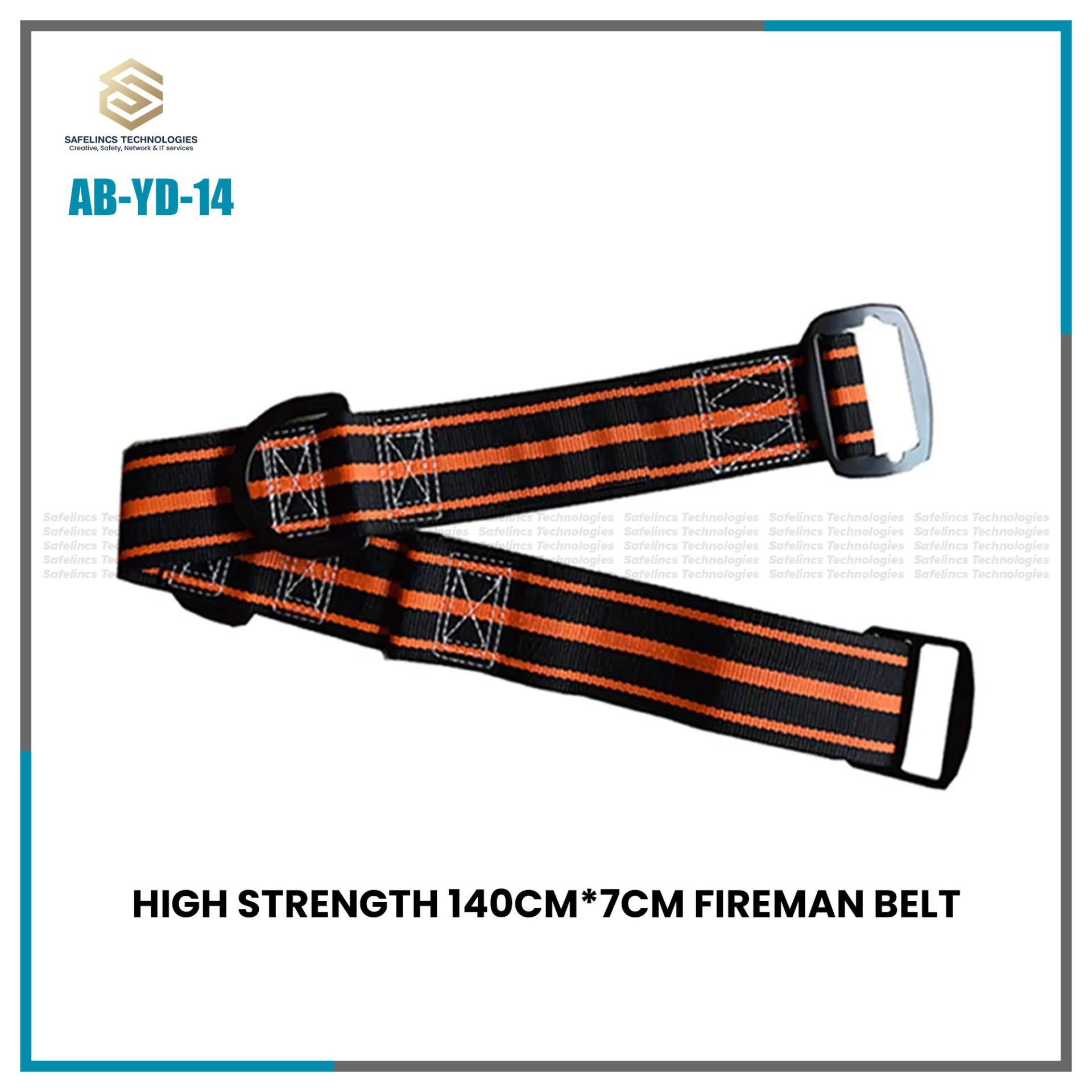
b. Firefighter Rescue Belts
Important purchasing parameters include belt construction, dimensions, fastening mechanism, intended application and any manufacturer-declared load rating. A general-purpose rescue belt must not be used as a fall-arrest or life-safety device unless it is specifically designed, tested and approved for that application.
c. Fire Hoods
Fire hoods provide additional coverage around the head and neck, particularly where protective garments and helmets leave exposed interfaces. Material composition, coverage, thermal performance, fit and compatibility with the remaining PPE are important selection factors.
d. Forest Fire Backpack Pumps
A backpack pump provides a manually operated water supply for appropriate outdoor fire-control applications. Its performance should be assessed through tank capacity, filled weight, pump displacement, discharge characteristics, hose length and nozzle configuration.
Safelincs lists a handheld backpack pump in its firefighter equipment collection . Specific operating values should be confirmed against the product datasheet.
Fire Rated Doors & Emergency Exit Doors in Nepal
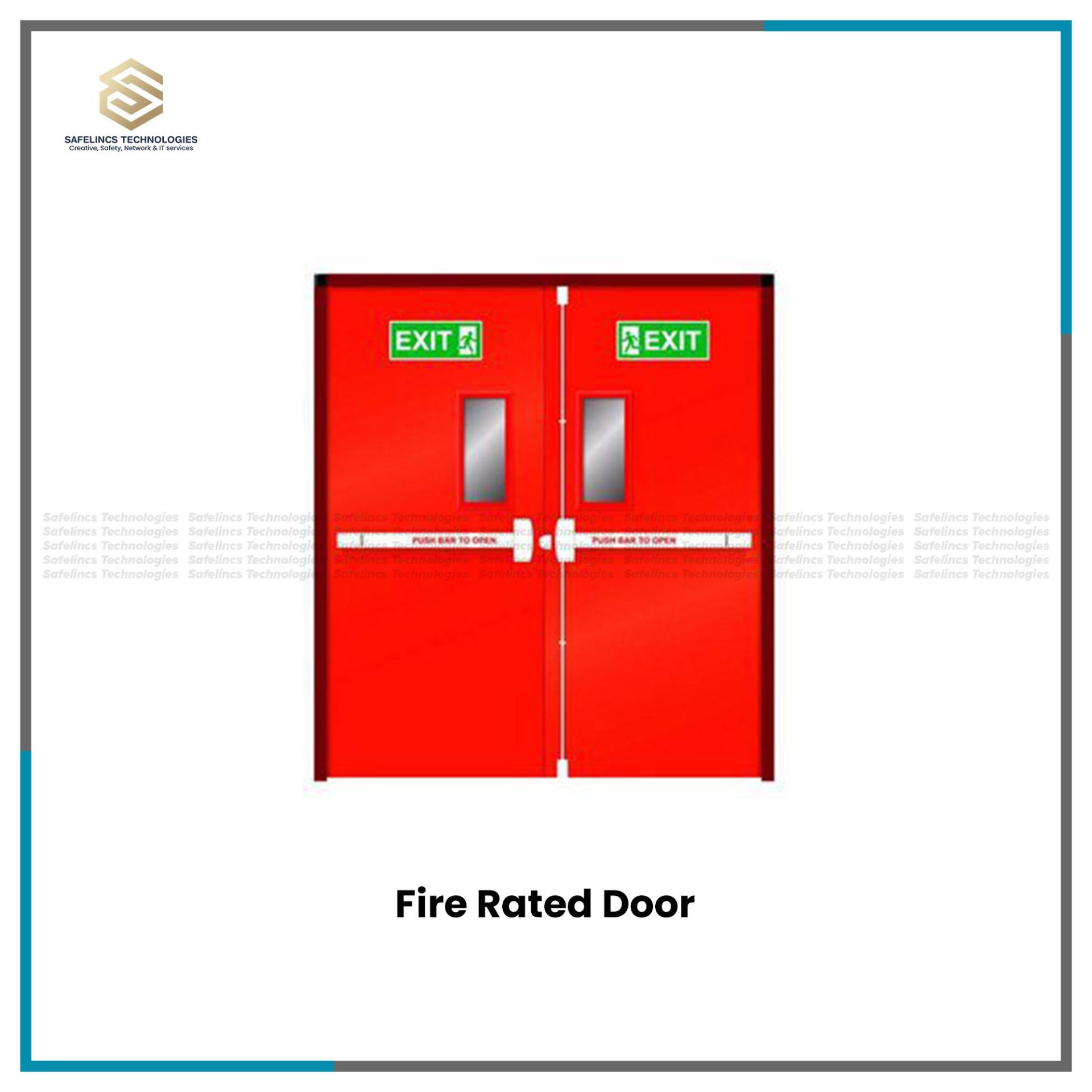
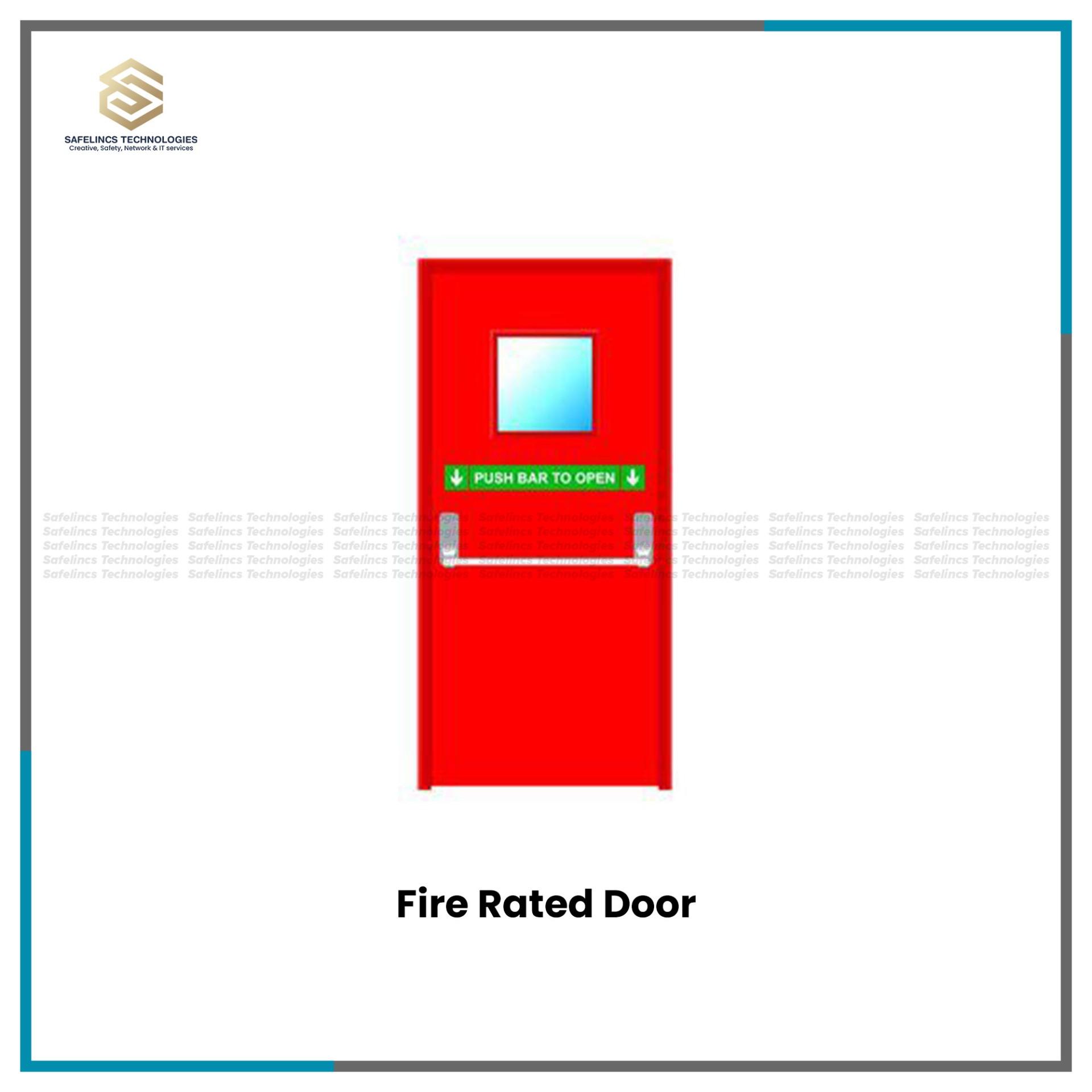
Fire-rated doors are passive fire-protection components designed to protect designated openings in fire-resisting walls and partitions. When correctly specified, installed and maintained, they help maintain fire compartmentation and reduce the spread of fire through protected openings for their tested duration.
Unlike active firefighting equipment, a fire-rated door does not require manual firefighting action to perform its intended protective function. However, its performance depends on the complete door assembly, compatible hardware and installation conditions. Safelincs supplies double-leaf fire-rated doors and fire-rated emergency exit doors for applications including commercial buildings, hotels, hospitals and industrial facilities.
1. Fire Rated Door Construction & Materials
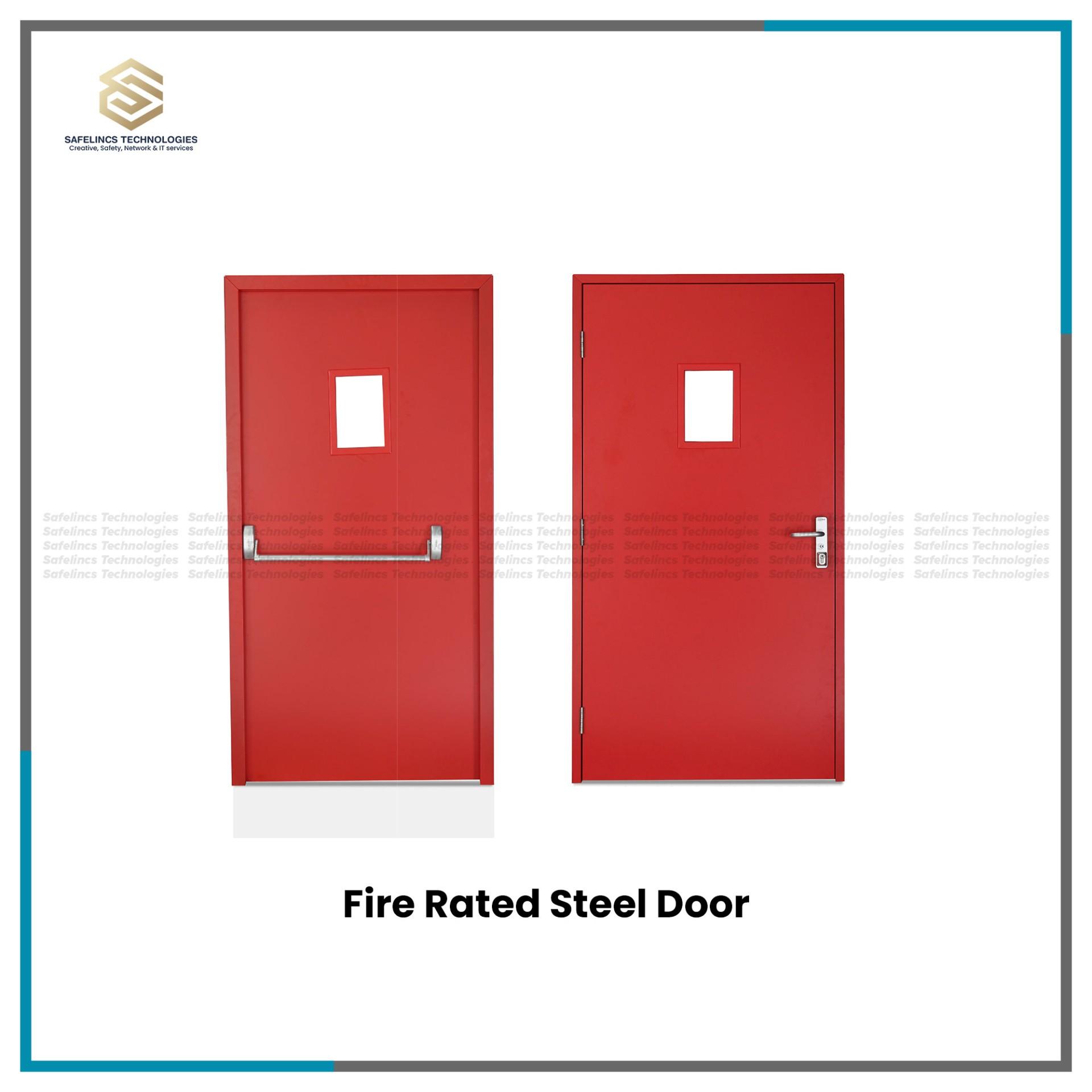
A fire-rated door is an engineered assembly rather than an ordinary door manufactured from a fire-resistant material. Its construction may include a steel or other approved door leaf, an insulating core, a compatible frame, hinges, latching hardware, closing devices and specified sealing components.
The door leaf provides a protective barrier, while the core material and assembly construction influence the door's performance during fire exposure. Steel door constructions may incorporate galvanized steel facings and insulating core materials. However, steel thickness or core type alone cannot establish a fire-resistance rating.
For example, Safelincs' steel fire-rated door listing describes a 48 mm thick door leaf with galvanized steel facings, an insulating core and stainless-steel ball-bearing hinges. The listing also refers to 60-minute and 120-minute configurations. These specifications should be confirmed against the relevant model's technical and certification documents before procurement.
The frame is equally important because it provides the structural interface between the door leaf and supporting wall. An incorrectly selected frame, unsuitable hardware or installation outside the tested configuration can compromise the performance of an otherwise fire-rated door.
2. Fire Resistance Ratings & Testing
Fire-door ratings express the duration for which a tested assembly meets specified performance criteria under a defined fire-test method. Ratings may be expressed in minutes, with common examples including 30, 60, 90 and 120 minutes.
The rating does not mean that the door is guaranteed to remain safe under every real-world fire condition for exactly that period. Actual fire conditions, installation quality and the applicable test criteria must be considered.
Different certification systems may evaluate performance using different methods and classifications. Relevant test standards include EN 1634-1, BS 476-22 and UL 10C, depending on the product and certification regime.
These standards should not be treated as automatically interchangeable. UL's fire-door guidance explains that the door, frame, glazing and hardware must be evaluated for their intended use and installed according to applicable requirements and manufacturer instructions. When reviewing a fire-rated door, the buyer should check its stated rating, test report, approved dimensions, frame configuration, compatible hardware and installation requirements.
3. Fire Door Hardware & Installation Requirements
A certified fire-door assembly may require specific hinges, latching devices, closing mechanisms and seals to achieve its intended performance.
a. Hinges and Supporting Hardware
Hinges must be compatible with the door's weight, configuration, rating and intended operation. Their quantity, type and fixing arrangements should follow the approved assembly documentation.
b. Door Closers and Latching Mechanisms
Where required by the approved design, a self-closing device returns the door to its closed position after use. The latching mechanism must engage correctly to help keep the door closed during the conditions for which the assembly is designed.
c. Fire and Smoke Seals
Intumescent materials may expand when exposed to heat, helping protect specified gaps in the door assembly. Smoke-control performance is a separate consideration. A fire-rated door should not automatically be described as smoke-rated unless its tested or certified performance supports that claim.
d. Installation and Door Clearances
Door clearances, frame fixing, supporting-wall construction and hardware installation must comply with the approved assembly and applicable requirements.
For instance, a door tested in one wall construction cannot automatically be assumed suitable for every other wall type. For additional product selection considerations, see the Safelincs fire-rated door guide. UL identifies wall construction, opening-protective type, glazing, egress requirements and compatible hardware as important considerations in selecting compliant fire-door assemblies.
4. Fire Rated Doors vs Emergency Exit Doors
A fire-rated door and an emergency exit door serve related but different purposes. A fire-rated door is specified for its tested fire-protection performance, while an emergency exit door must support safe egress according to the applicable building design and requirements. An emergency exit door is not necessarily fire-rated. Similarly, a fire-rated door does not automatically meet all emergency-egress requirements.
Where a door must perform both functions, its fire-protection rating, opening direction, exit hardware, accessibility and operating arrangements must be evaluated together. Explore Safelincs' fire-rated emergency exit door products for available options.
Fire Fighting Equipment Standards & Certifications
Technical standards establish defined requirements and test methods for evaluating protective equipment and fire-protection components.
A product's suitability should be assessed using its actual certification documents, tested performance and intended application rather than its appearance or marketing description.
The following standards are relevant references for the product types discussed on this page.
Standard | Technical scope |
EN 469:2020 | Protective clothing for specified firefighting activities |
EN 659 | Protective gloves for firefighters |
NFPA 1970:2025 | Specified protective ensembles, work apparel, SCBA and PASS equipment for emergency services |
NFPA 80 | Fire doors and other opening protectives |
EN 1634-1 | Fire-resistance testing of doors, shutters and openable windows |
UL 10C | Positive-pressure fire testing of door assemblies |
EN 469 specifies performance requirements for protective clothing but does not cover protection for the head, hands and feet. Those equipment categories require their own applicable standards.
NFPA 1970:2025 consolidates requirements previously contained in NFPA 1971, NFPA 1975, NFPA 1981 and NFPA 1982. It covers distinct equipment categories within the consolidated standard.
These are technical references, not a declaration that every product sold by Safelincs is certified to all the listed standards. For procurement, customers should request documentation identifying the exact manufacturer, model, applicable standard and edition, tested performance, certification scope and any relevant limitations.
How to Choose the Right Fire Fighting Equipment?
Selecting firefighting equipment requires more than comparing product appearance and purchase price. The appropriate equipment depends on the hazards, intended operation, environmental conditions, protective performance and compatibility with other equipment.
1. Hazard Assessment & Intended Application
The selection process should begin by identifying the hazards associated with the intended activity. For firefighter PPE, these may include thermal exposure, impact, sharp objects, liquid penetration, reduced visibility and hazardous atmospheres.
A garment intended for training or limited outdoor support activities should not automatically be selected for structural firefighting. Similarly, selecting a fire-rated door requires understanding the building's fire strategy, the required opening protection, supporting-wall construction and emergency-egress requirements. Coordinate this decision with the building's fire alarm systems and other fire safety products where the project design requires them.
2. Material, Performance & Certification Requirements
After identifying the intended application, compare products using their technical specifications and verified performance.
For protective clothing, important considerations include the outer-shell material, barrier construction, thermal performance, mechanical strength and certification. For helmets and gloves, evaluate the relevant protective performance, fit and compatibility with the remaining protective ensemble. For fire-rated doors, confirm the specified rating, approved assembly configuration, hardware and installation requirements.
A material name or generic certification claim should never replace model-specific documentation.
3. Equipment Fit, Weight & Ergonomics
Protective equipment must fit correctly and allow the wearer to perform the intended task. Incorrect sizing can restrict movement, affect equipment interfaces or expose areas that should remain protected.
The weight of a complete protective ensemble also influences mobility and physical workload. A firefighter's total equipment load depends on the clothing, helmet, gloves, footwear, breathing apparatus and other carried equipment. Product weight should therefore be evaluated using the complete configuration rather than an isolated garment measurement.
4. Inspection, Maintenance & Service Life
Firefighting equipment requires inspection and maintenance according to its design, exposure history, manufacturer instructions and applicable requirements. Protective garments should be checked for damaged fabric, compromised seams, damaged closures and deterioration of protective layers.
Helmets and gloves require checks for physical damage and other defects that could affect their intended performance. Fire-rated doors should be assessed for damage, proper closing and latching, hardware condition and installation integrity.
Inspection and servicing intervals are equipment-specific. A single universal maintenance schedule should not be applied to every type of firefighting product.
Fire Fighting Equipment Prices in Nepal
The price of fire fighting equipment in Nepal varies according to product type, material construction, protective performance, certification, dimensions and accessories. Two products with similar appearances may have different prices because of differences in their technical specifications and intended applications.
For example, the cost of a firefighter suit can be influenced by its fabric composition, protective layers, thermal performance, garment configuration and certification. Fire-rated door pricing depends on factors such as the required rating, door dimensions, single- or double-leaf configuration, frame construction, hardware and installation requirements.
Safelincs currently lists an EN 469-labelled four-layer firefighter suit at Rs. 75,000 and a double-leaf fire-rated door at Rs. 180,000. These are individual product listing prices, not fixed prices for every product in their respective categories. For products requiring custom specifications, customers should request a quotation based on the exact technical requirements and quantity.
Buy Fire Fighting Products from Safelincs Tech
Safelincs Technologies supplies fire fighting products in Nepal for firefighting, rescue and building fire-protection applications. Our product range includes protective suits, helmets, gloves, rescue accessories and fire-rated doors.
Customers can explore the available equipment, review published product information and request quotations for products requiring additional technical confirmation. For larger procurement requirements, enquiries should include the equipment type, intended application, required certification, product specifications, quantity and delivery location.
Explore our related product categories:
Fire Fighting Suits & Protective Gear
Double Leaf Fire Rated Doors
Fire Safety Equipment in Nepal
Fire Extinguishers in Nepal
Contact Safelincs Technologies at +977 970-3551404 for product enquiries and technical quotations.
Frequently Asked Questions
1. What is fire fighting equipment?
Fire fighting equipment includes products used to support fire response, protect emergency personnel and reduce fire-related hazards. Examples include protective suits, helmets, gloves, rescue accessories, extinguishing equipment and fire-protection components.
Different products perform different functions and must be selected according to their intended applications.
2. What are the different types of fire fighting equipment?
Firefighting products can be classified into personal protective equipment, fire suppression equipment, rescue equipment and passive fire-protection products.
Firefighter suits, helmets and gloves protect personnel against specified hazards. Extinguishers and hydrant systems support fire suppression, while fire-rated doors protect designated openings in fire-resisting construction.
3. What is fire fighting equipment used for?
Firefighting equipment is used to support emergency response, protect personnel and control specific fire-related hazards.
Protective clothing helps reduce exposure to defined thermal and physical hazards. Rescue equipment supports operational activities, while fire-rated doors help maintain fire compartmentation within buildings.
4. What materials are used in fire fighting suits?
Firefighting suits may use flame-resistant fabrics incorporating meta-aramid and para-aramid fibres, together with moisture barriers and insulating materials.
The exact composition varies by garment design. Protective performance must be established through applicable testing of the finished materials and garment assembly rather than inferred from the material name alone.
5. What standards apply to firefighter protective equipment?
Different equipment types are covered by different standards.
EN 469 applies to protective clothing for specified firefighting activities, while EN 659 addresses firefighters' protective gloves. NFPA 1970:2025 covers several specified emergency-services protective equipment categories.
Customers should verify the applicable standard, edition and certification for the exact product model.
6. What is the difference between a 60-minute and a 120-minute fire-rated door?
The stated ratings refer to different durations of performance under specified fire-test conditions.
A door with a 120-minute rating has demonstrated the applicable performance criteria for a longer test duration than a door with a 60-minute rating under the relevant test method.
The appropriate rating must be determined from the building's approved fire-protection requirements. A rating should be verified for the complete approved door assembly, including its relevant components and installation conditions.
7. How much does fire fighting equipment cost in Nepal?
Prices depend on the equipment type, materials, performance requirements, certification and product configuration.
Firefighter protective clothing and fire-rated doors have different technical requirements and therefore different pricing structures.
Customers can check the available product listings or request a quotation from Safelincs Technologies for equipment requiring specific configurations.
8. How much does firefighter protective equipment weigh?
The weight depends on the equipment type, size, material construction and configuration.
A complete firefighting ensemble may include protective clothing, a helmet, gloves, footwear, breathing apparatus and other equipment.
The total weight should be calculated using the actual manufacturer specifications for the selected components rather than a general estimate.
9. How often should fire fighting equipment be inspected and serviced?
Inspection and servicing intervals depend on equipment type, manufacturer instructions, applicable standards, operating conditions and exposure history.
Firefighter PPE and fire-rated doors have different inspection requirements. Equipment that has been damaged, contaminated or exposed to significant hazards may require additional assessment before further use.
A single inspection interval should not be applied to every firefighting product.